

Korean Beef Bulgogi (Juicy, Caramelized BBQ Beef)
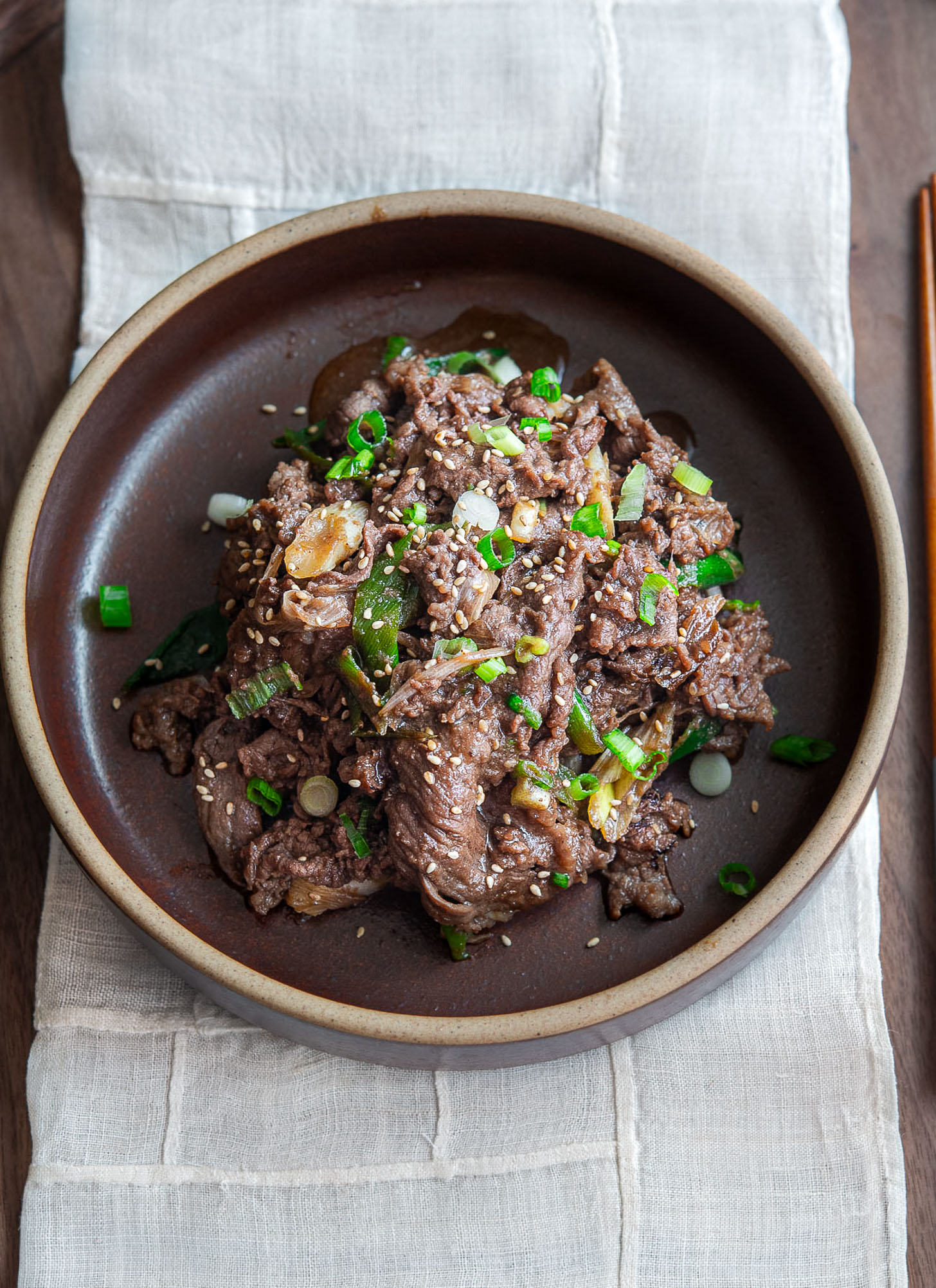
Korean beef bulgogi is made with thinly sliced beef marinated in soy sauce, garlic, pear, and aromatics, then cooked quickly until glossy and lightly caramelized. This classic Korean BBQ dish works beautifully in a skillet or on the grill and makes an easy dinner with rice and a few simple sidesarinating step, perfect for weeknight dinners or grilling.
Get new recipes via email:
Bulgogi (불고기) is one of the Korean dishes I grew up eating at home. My mom kept hers simple. She used thinly sliced ribeye or sirloin, grated pear, garlic, and two types of soy sauce for a deeper, more balanced flavor. She rarely added vegetables like carrot or zucchini because she wanted the beef itself to stay front and center.
I still make it much the same way. The marinade is savory with gentle sweetness, and the beef cooks hot and fast so the edges caramelize instead of simmering in liquid. That last part makes a bigger difference than people think.
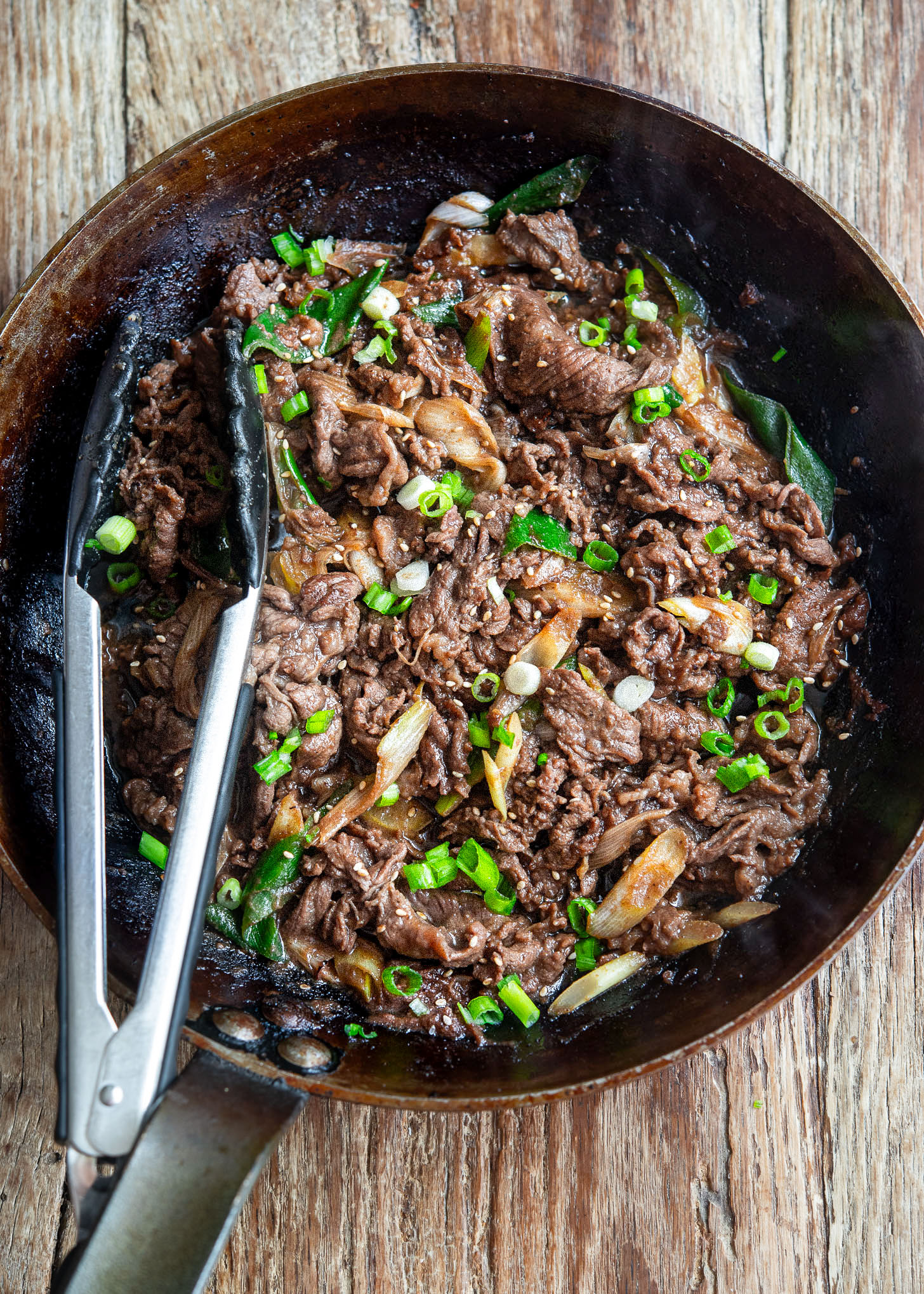
You can cook bulgogi in a skillet or over a grill. Either way, give the beef plenty of heat and space. If the pan is crowded, even a good marinade can leave you with steamed, watery beef instead of those glossy browned edges.
Why This Bulgogi Marinade Uses Pear and Two Soy Sauces
A good bulgogi marinade should season and tenderize the beef without overpowering it.
Asian pear adds mild sweetness and helps tenderize the meat gently. Kiwi does the same job much more aggressively, which is why I adjust the amount depending on how long I plan to marinate the beef. For a short marinade, I use a little more. For an overnight marinade, less is better.
I also use both regular soy sauce and Korean soup soy sauce (gukganjang). Regular soy sauce gives the marinade its familiar savory-sweet base, while gukganjang adds a deeper Korean soy flavor without needing a large amount.
Sugar helps the beef caramelize as it cooks, while sesame oil is added for aroma rather than as the main flavor.
The goal is not a thick or heavily sweet sauce. The marinade should cling lightly to the beef and season it all the way through.
How to Get That Restaurant-Style Bulgogi Caramelization
Most home bulgogi turns watery not because of the marinade, but because of how it is cooked. The key is high heat and enough space in the pan.
Use a wide skillet over medium-high to high heat. The beef should sizzle as soon as it hits the pan.
Avoid crowding. Too much beef at once releases moisture faster than it can evaporate, so the meat steams instead of searing. Cook in batches if needed.
Once the beef goes in, let it sit briefly before stirring. That direct contact with the hot pan helps the sugars in the marinade caramelize and creates glossy, lightly charred edges.
By the end, the pan should look mostly dry. The beef should be shiny, lightly browned, and coated in concentrated marinade rather than sitting in liquid.
Best Beef Cuts and How Thin to Slice Them
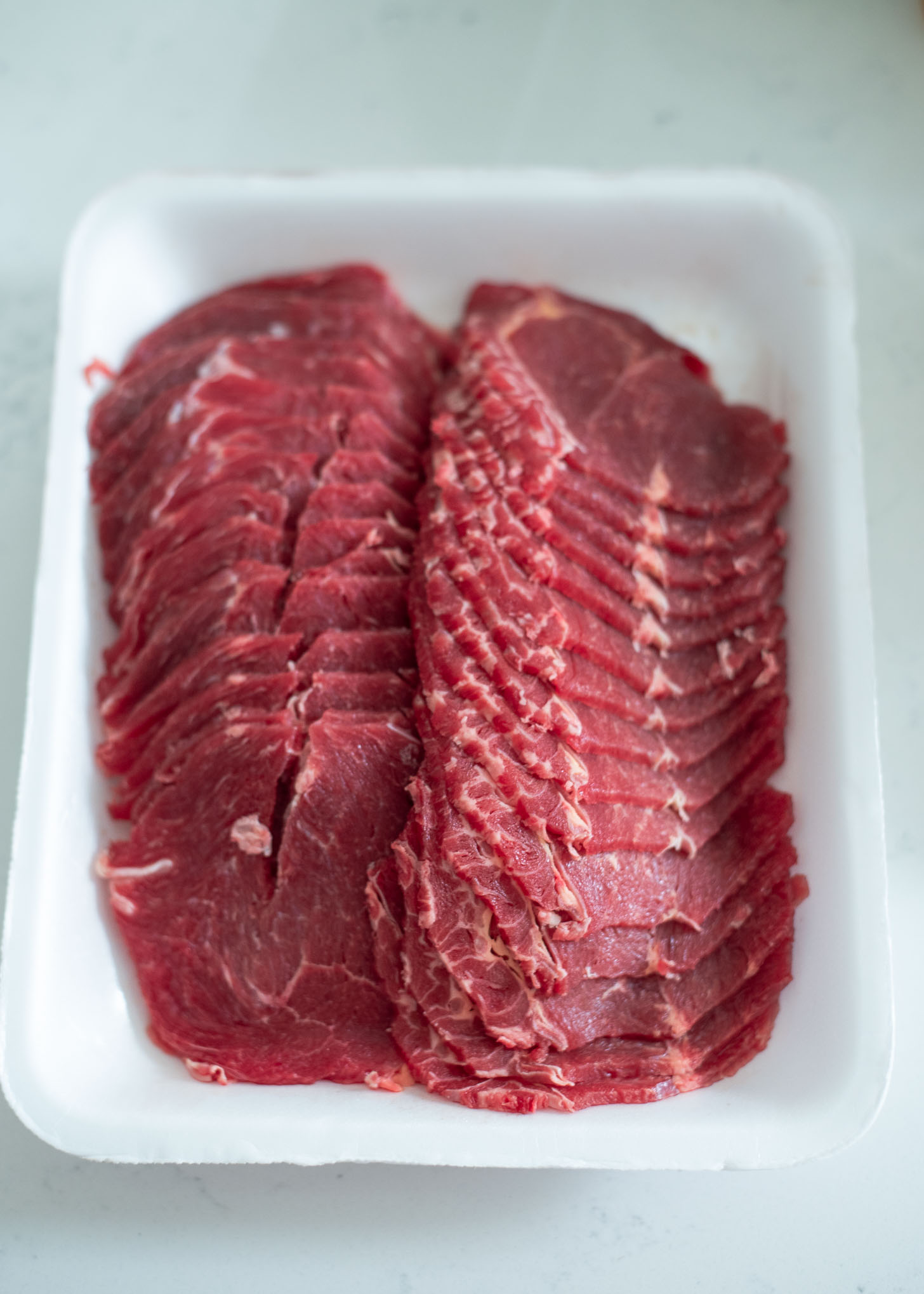
Of all the cuts I have used for bulgogi, ribeye and sirloin are still my favorites. Both are tender, have enough marbling to stay juicy, and cook quickly.
Slice the beef against the grain and aim for about 1/8 inch thick or slightly thinner. Bulgogi cooks in just a few minutes, so thick slices are much more likely to turn chewy.
If you are slicing the beef yourself, partially freeze it first. About 20 to 30 minutes is usually enough to firm it up and make thin slicing much easier.
Many Korean grocery stores also sell pre-sliced beef specifically for bulgogi. That is a perfectly good shortcut and one I use when I want to skip the slicing.
If you want a quicker weeknight version, my ground beef bulgogi uses the same familiar Korean flavors with a completely different texture and cooking method. For other proteins, try my spicy pork bulgogi or chicken bulgogi with gochujang.
How to Make Bulgogi (Step-by-Step Guide)
Start with a simple marinade (homemade bulgogi sauce) that balances soy sauce, aromatics, and natural sweetness.
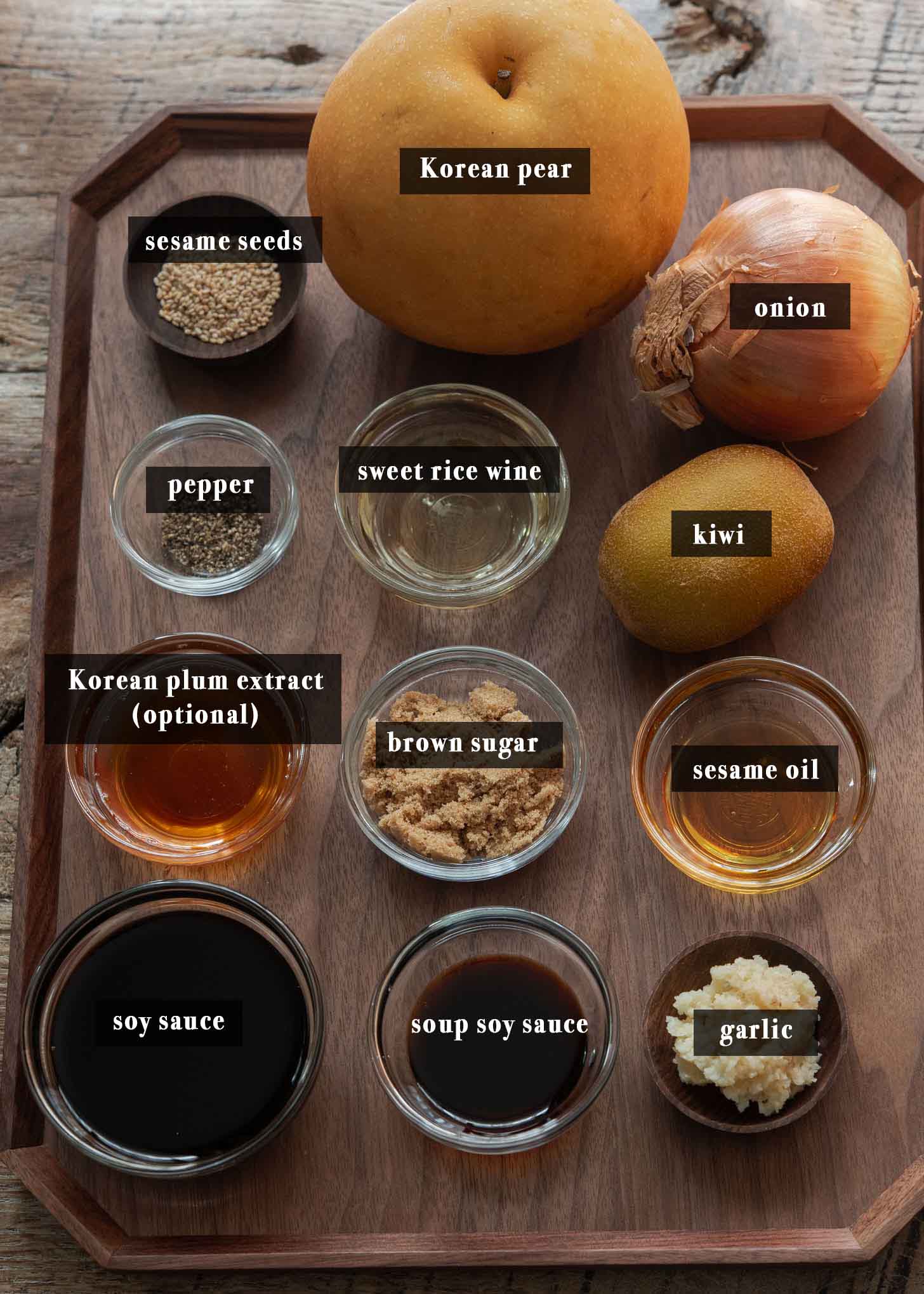
1. Gather the marinade Ingredients. The marinade works by balancing salty, sweet, and natural tenderizers. Soy sauce seasons the beef, pear and kiwi help soften the fibers, and sugar helps the meat caramelize as it cooks.
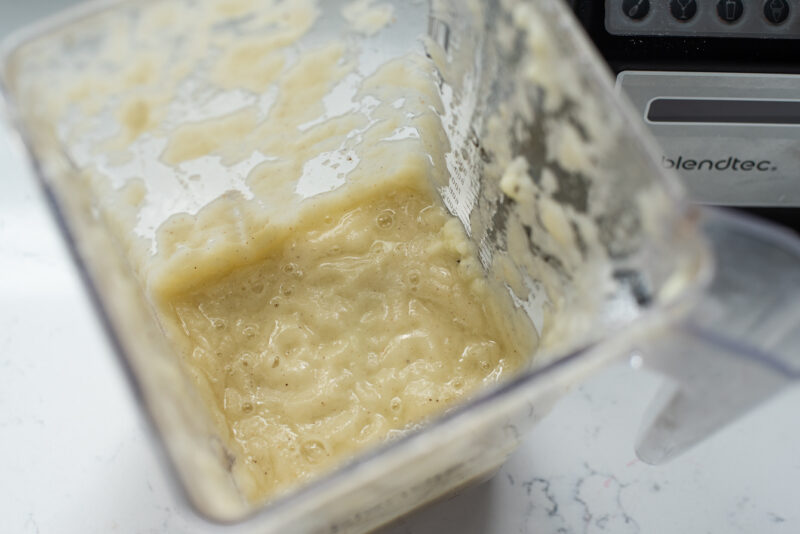
2. Puree the Fruits and Aromatics. Blend pear, kiwi, onion, and garlic until smooth. This helps tenderize the beef and build flavor.
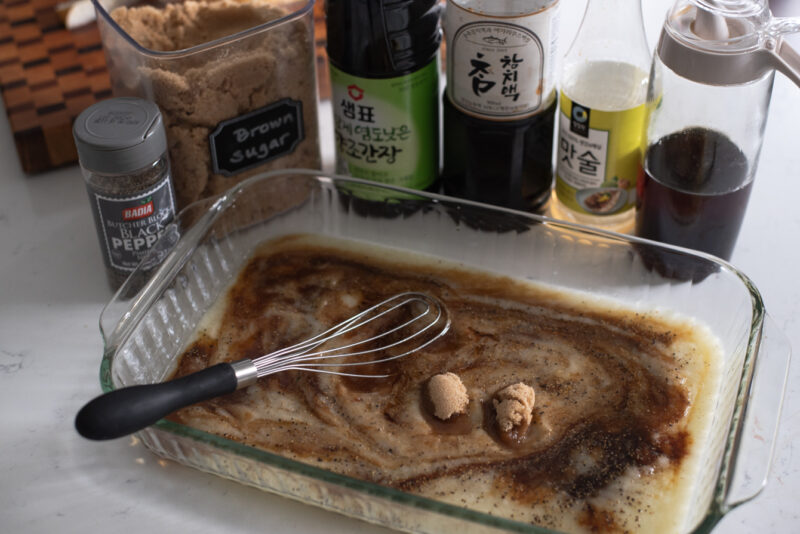
3. Make the Marinade. Mix the puree with soy sauces, sugar, sesame oil, and other seasonings in a large dish or container. I use a 9×13-inch Pyrex dish.
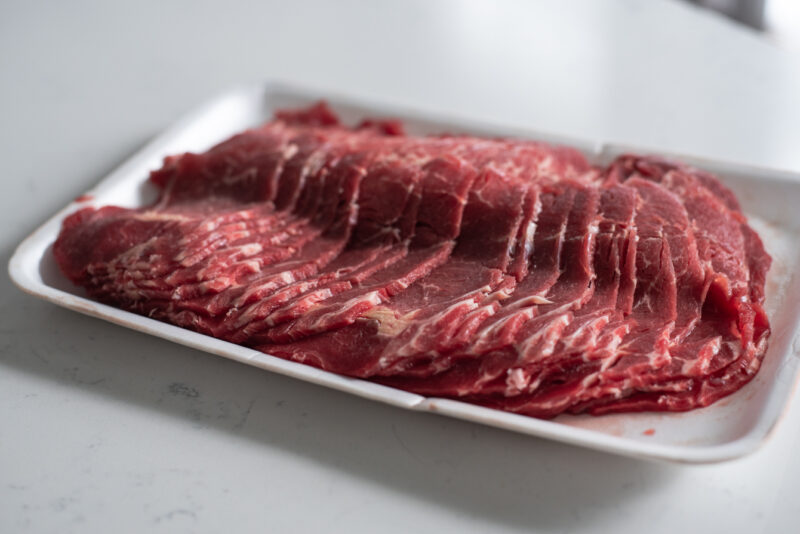
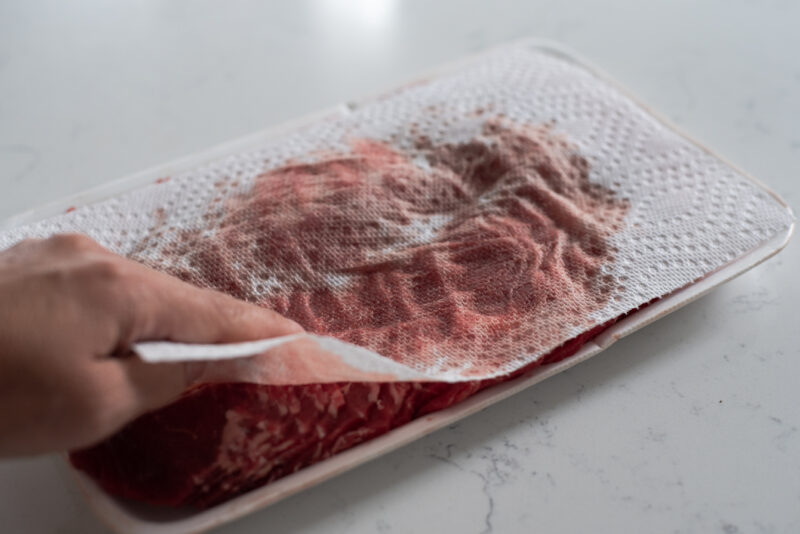
4. Prep the Beef. Pat the sliced beef with paper towels to remove excess red liquid, especially if previously frozen. This improves flavor and helps avoid any off odor.
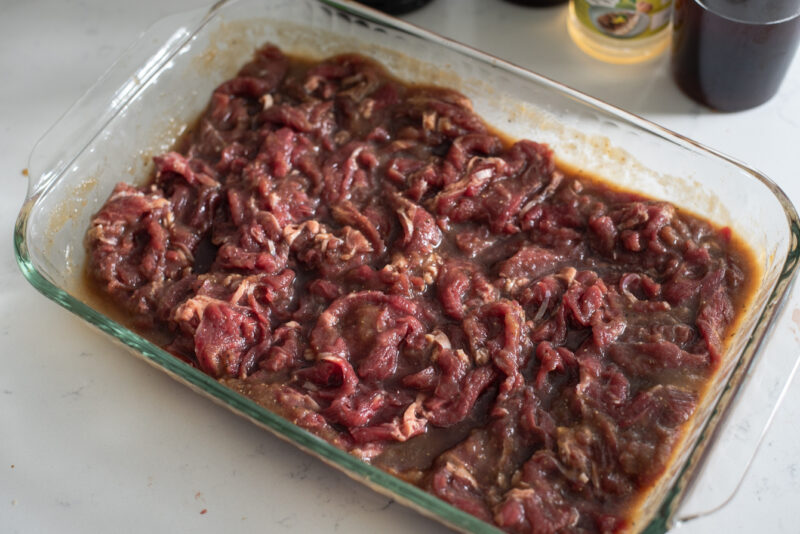
5. Marinate the Beef. Add the beef to the marinade and toss to coat well. Cover and marinate for at least 1 hour, or overnight for deeper flavor.
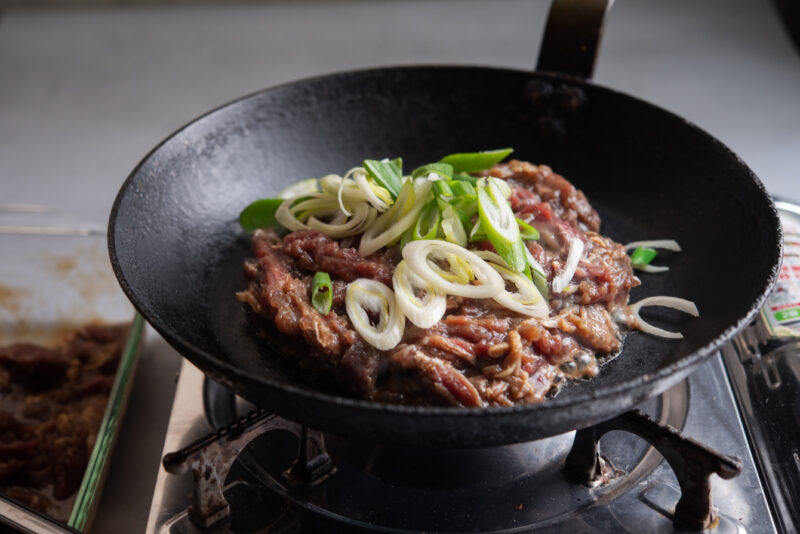
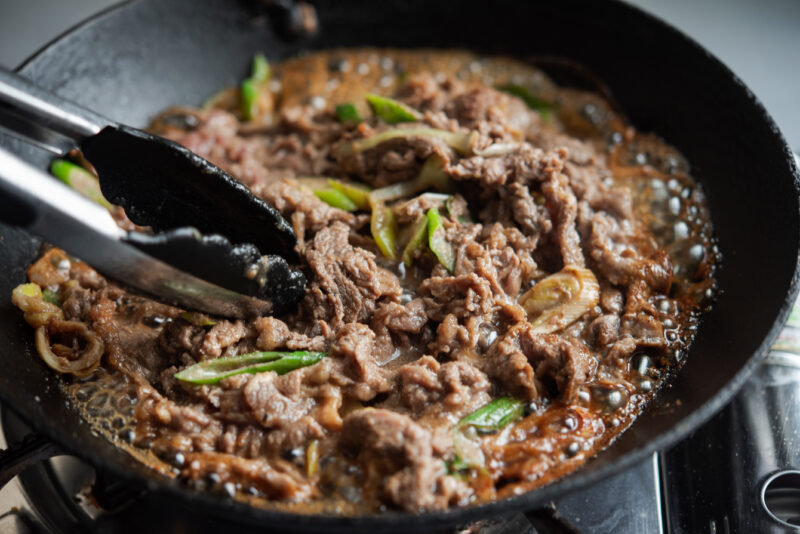
6. Cook the Beef. Sear the marinated beef with green onion in a very hot skillet, no oil needed, until the marinade evaporates and starts to caramelize. The surface of beef will crisp up slightly.
Note: A skillet gives you quick caramelization and control, while grilling adds a smoky flavor and slightly charred edges.
How Koreans Serve Bulgogi at Home
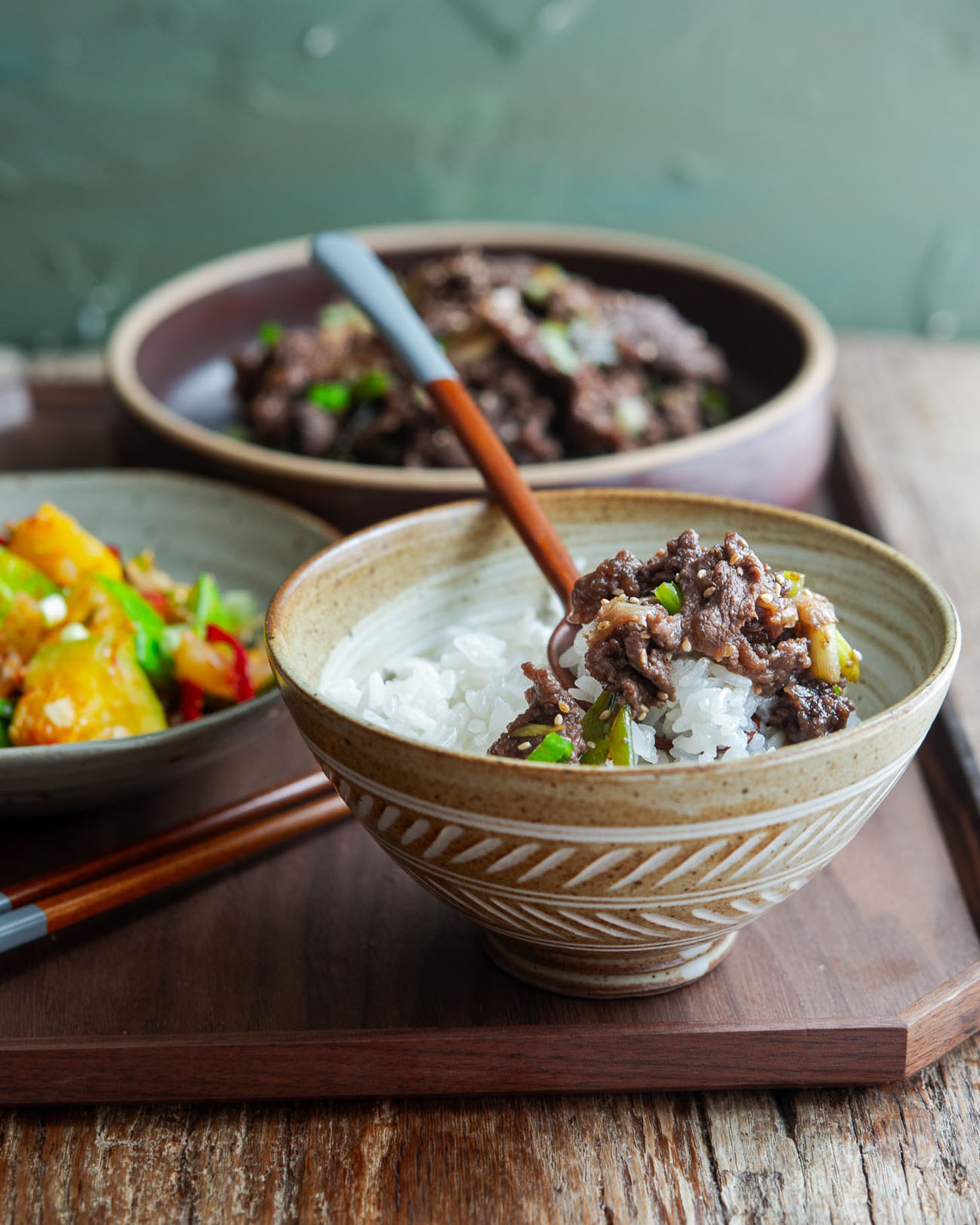
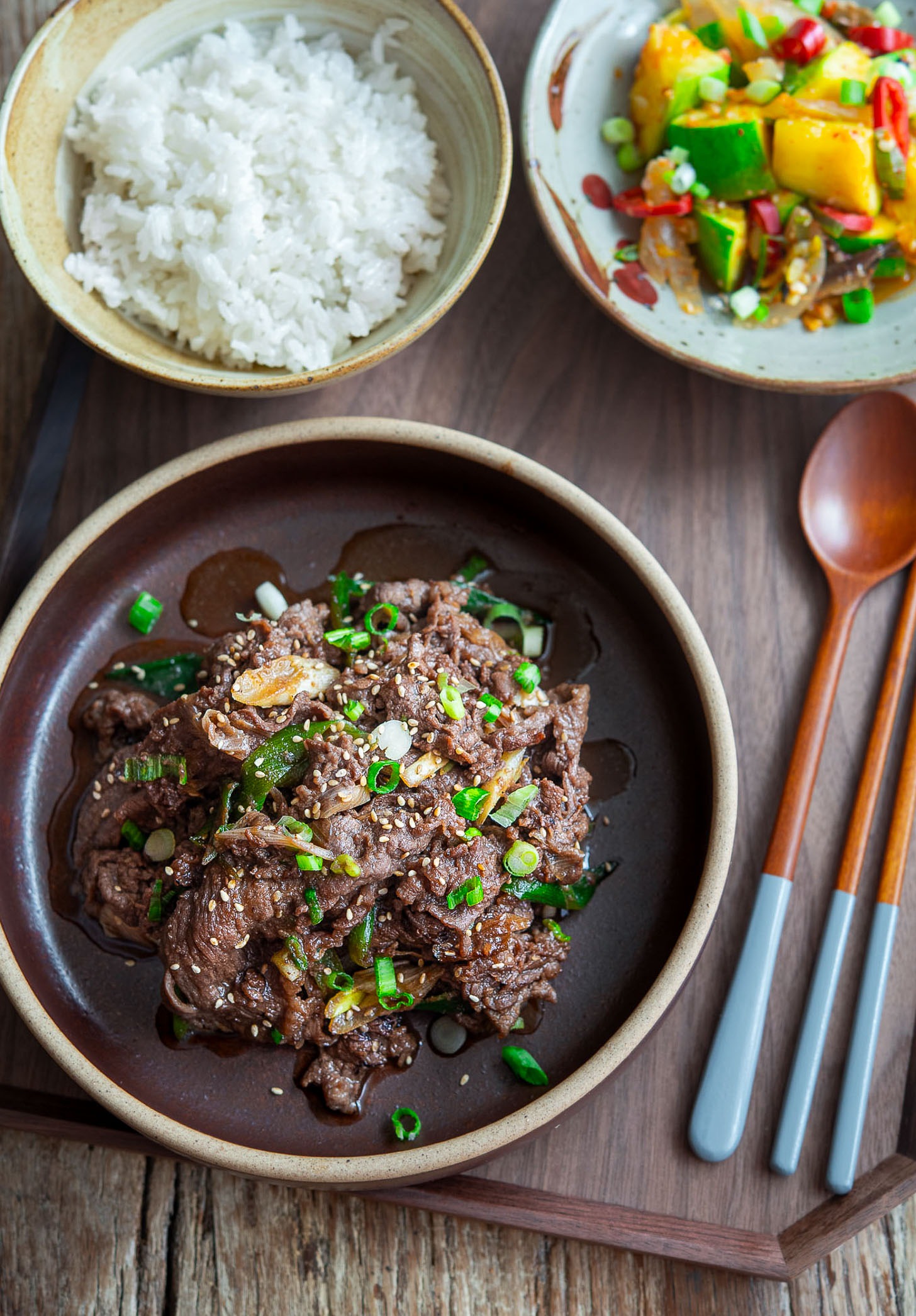
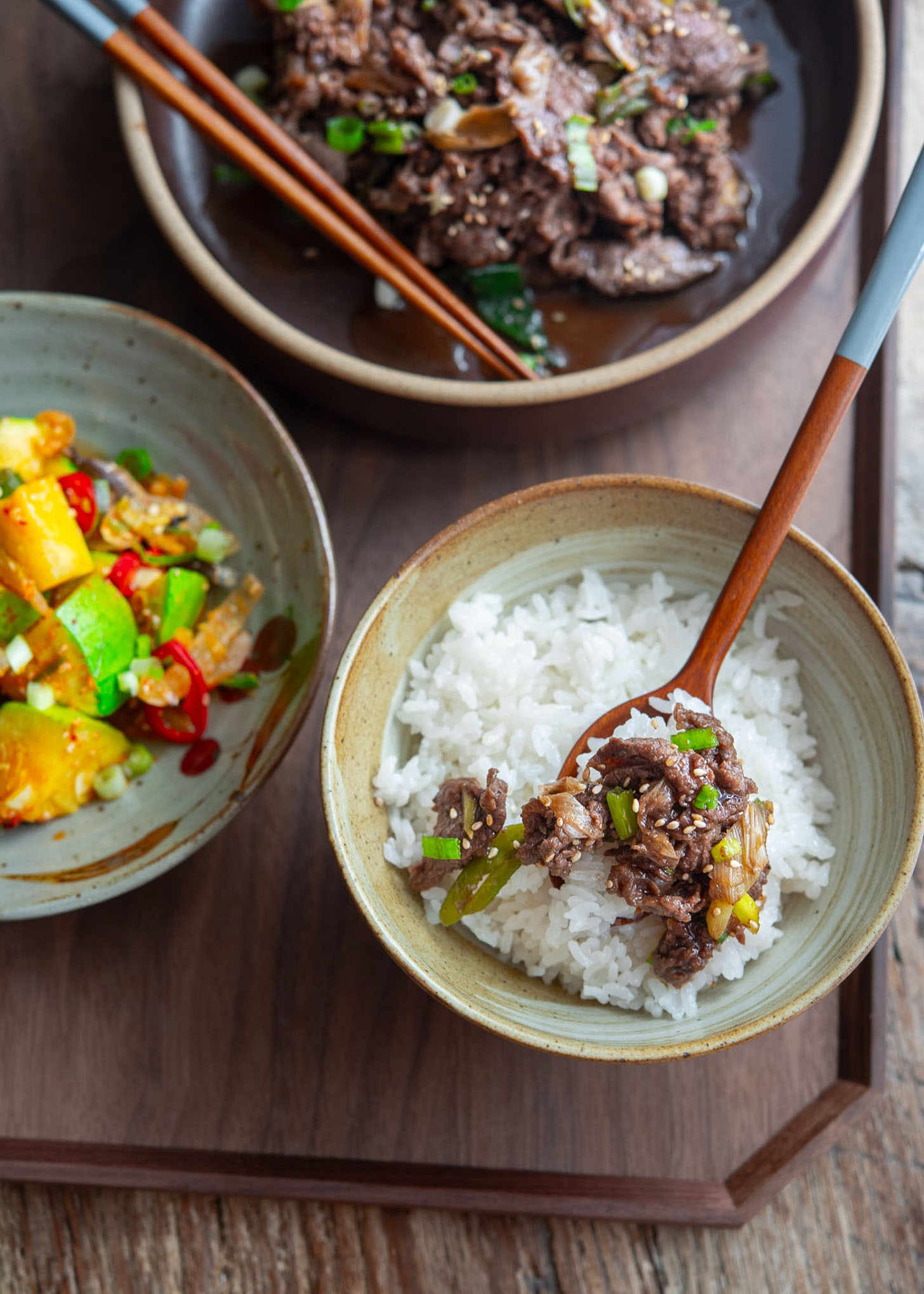
The simplest way to serve bulgogi is with hot white rice and a few Korean side dishes.
I often put out kimchi and something fresh or crunchy so the meal does not feel too heavy.
For a more traditional Korean BBQ-style meal, wrap the beef and a little rice in lettuce with a dab of homemade ssamjang. It is simple and hard to stop eating.
Leftover bulgogi is also excellent added to bibimbap, where the sweet-savory beef works especially well with vegetables and gochujang.
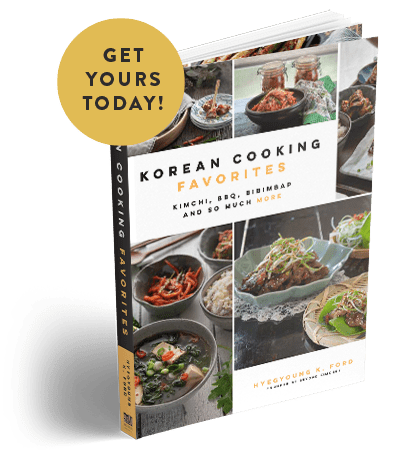
I also share a Seoul-style bulgogi in my cookbook, Korean Cooking Favorites. That version is more brothy and mushroom-forward, which is another style of bulgogi commonly served in Korean homes.
Love this recipe? Rate it and share your experience in the comments below! On Instagram? Tag me to showcase your creation. For more delicious recipes, subscribe to our newsletter!
Classic Korean Beef Bulgogi
Recipe Video
Ingredients
- 2 lb (900 g) beef sirloin or rib eye , thinly sliced, about 1/8-inch thick
- 1 Asian leek or 3 green onion, sliced
Bulgogi sauce
- 1/2 (about 100 g) large Asian pear , peeled and diced. See note for substitution
- 1/4-1/2 (about 35 g) kiwi, peeled and diced. See note below
- 1/2 (about 100 g) large onion , diced
- 4 cloves garlic
- 5 tbsp (75 ml) soy sauce
- 1 tbsp (15 ml) Korean soup soy sauce (gukganjang)
- 2-3 tbsp (25–40 g) light brown sugar
- 2 tbsp (30 ml) sweet rice wine (mirim)
- 2 tbsp (30 ml) Korean plum extract (maeshil cheong), optional
- 1/2 tsp black pepper
- 1 tbsp (15 ml) sesame oil
- 2 tsp (6 g) toasted sesame seeds
Instructions
To marinate beef
- To make bulgogi marinade, put pear, kiwi, onion, and garlic in a blender and process until very smooth.
- Pour the onion/fruit puree into a large shallow pan – a 9×13-inch pyrex baking pan (with lid) is perfect for this. Add soy sauce, Koran soup soy sauce, brown sugar, rice wine, Korean plum extract (if using), pepper and sesame oil; mix well. You can make this marinade sauce ahead of time and keep it in the refrigerator for up to 1 week.
- Dab the beef with a paper towel to wipe out extra liquid on the package if there's any. Separate the beef slices and add them to the marinade sauce. Toss gently by hand to combine everything with a slight massaging motion. Cover and marinate for at least 1 hour or up to overnight.
To cook bulgogi
- Heat a wide skillet over medium-high heat until very hot. Do not add oil. Add the beef along with the sliced Asian leek or green onion. The beef should sizzle immediately. Cook for 2–3 minutes, tossing occasionally, until the marinade has mostly evaporated and the pan looks nearly dry. The edges of the beef should be glossy and lightly caramelized. Remove from the heat as soon as the beef is cooked through so it stays tender and does not dry out.
- Sprinkle with sesame seeds and green onion to garnish. Serve warm with rice and a vegetable side dish.
Notes
- Use high heat for better caramelization
- Cook in batches to avoid steaming
- Make ahead: Marinate 1–4 hours, or overnight with less kiwi. Freeze marinated beef up to 3 months. Refrigerate cooked leftovers up to 3 days and reheat gently.C$
Hi there! Thanks so much for sharing your recipe! I enjoyed the process and followed your direction to a T. Unfortunately it was a bit too sweet (which I will lessen the sugar next time) but also I was disappointed that it was not tender enough. I did use pear and kiwi and marinate for at least 24 hours. My daughter was disappointed that it was not as tender as what she had at my friend’s house. What could I have done wrong? Years ago, I made a bulgogi marinade but it was over tenderized so the texture was not really good. Would love your feedback…
Hi Kate
I’m sorry to hear that your bulgogi isn’t as tender as you’d like. Without knowing the specific type of beef you used, pinpointing the exact issue can be challenging. However, using a tender cut of beef, such as sirloin or ribeye, that has been sliced against the grain can significantly enhance the tenderness of your bulgogi. The thickness of the beef slices also plays a crucial role. In traditional Korean cuisine, beef is typically sliced very thinly, usually to about 1/8-inch or even less. It’s so thin that it tends to tear as you mix it with the marinade.
Another tip I would suggest is to bring the beef to room temperature before adding it to a hot skillet. And yes, marinating the meat for too long with these fruits can cause the exterior to become mushy or negatively affect its texture due to protein breakdown. I hope this helps. Thanks!
What other kind of vegetables can I put in it
You can add carrot, zucchini, green pepper and extra green onion to this recipe. But mindful that adding extra veggies will thin out the bulgogi taste from the meat. Thanks!