

Korean Fried Chicken (Spicy Yangnyeom Style)
Crispy Korean fried chicken made with a light double-fry and coated in a sweet-spicy yangnyeom glaze. This easy recipe uses simple pantry ingredients and comes together in about 40 minutes. Perfect for a weekend treat or a chimaek-style party at home.
Get new recipes via email:
Crispy, crackly fried chicken with a thin crust that stays light even after it’s coated in a sticky, sweet-spicy glaze. That’s Korean fried chicken, or yangnyeom chicken (양념치킨), and once you try it, regular fried chicken feels a little underdressed.
I still remember when my father brought home a box of these glossy, sauce-coated wings after work in the 80s, right when yangnyeom chicken was starting to take off in Korea. Even though we had already eaten dinner, I somehow always found room for a few more. The surprising part was the texture. The coating stayed crisp under that bold gochujang glaze, not soggy, not heavy. Just addictive.
Here’s how I get that same crisp finish at home, with the classic spicy yangnyeom sauce as the highlight. It’s the Korean fried chicken I grew up eating, done the way it’s meant to be.
What Makes Korean Fried Chicken So Crispy
The crunch comes from a few simple but very intentional choices. Korean fried chicken is usually double-fried, which helps cook the chicken through first, then crisp it again at a higher heat so excess moisture is driven off.
Instead of a thick flour batter, a light starch coating creates a thin, crackly crust that stays crisp rather than bready. Keeping the surface dry before frying also makes a big difference, helping the coating adhere cleanly and fry up evenly. This is the same technique most Korean chicken shops use to keep the crust light but crisp.
That combination is what gives Korean fried chicken its signature texture. Light, and still crunchy even after it’s coated in sauce.
You’ll often see this confused with Korean popcorn-style fried chicken. My dakgangjeong recipe uses small, boneless pieces that fry up extra crunchy and are coated in a thicker, candy-like glaze, while yangnyeom chicken is made with larger bone-in pieces and a lighter, sticky sauce that keeps the crust intact.
Soy Garlic vs Spicy Yangnyeom Sauce
In Korea, fried chicken usually comes in two classic flavors, soy garlic (ganjang) and spicy yangnyeom. Same crispy chicken, two very different moods.
Soy garlic is the milder option. It’s savory, lightly sweet, and glossy without being heavy. The sauce soaks in just enough to flavor the chicken while keeping the crust crisp. This is the one people reach for when they want something balanced and easy to keep eating.
Spicy yangnyeom is bolder and more addictive. Made with gochujang, it brings heat, sweetness, and a sticky glaze that clings to every piece. It’s louder in flavor but still keeps that light, crisp bite underneath when done right.
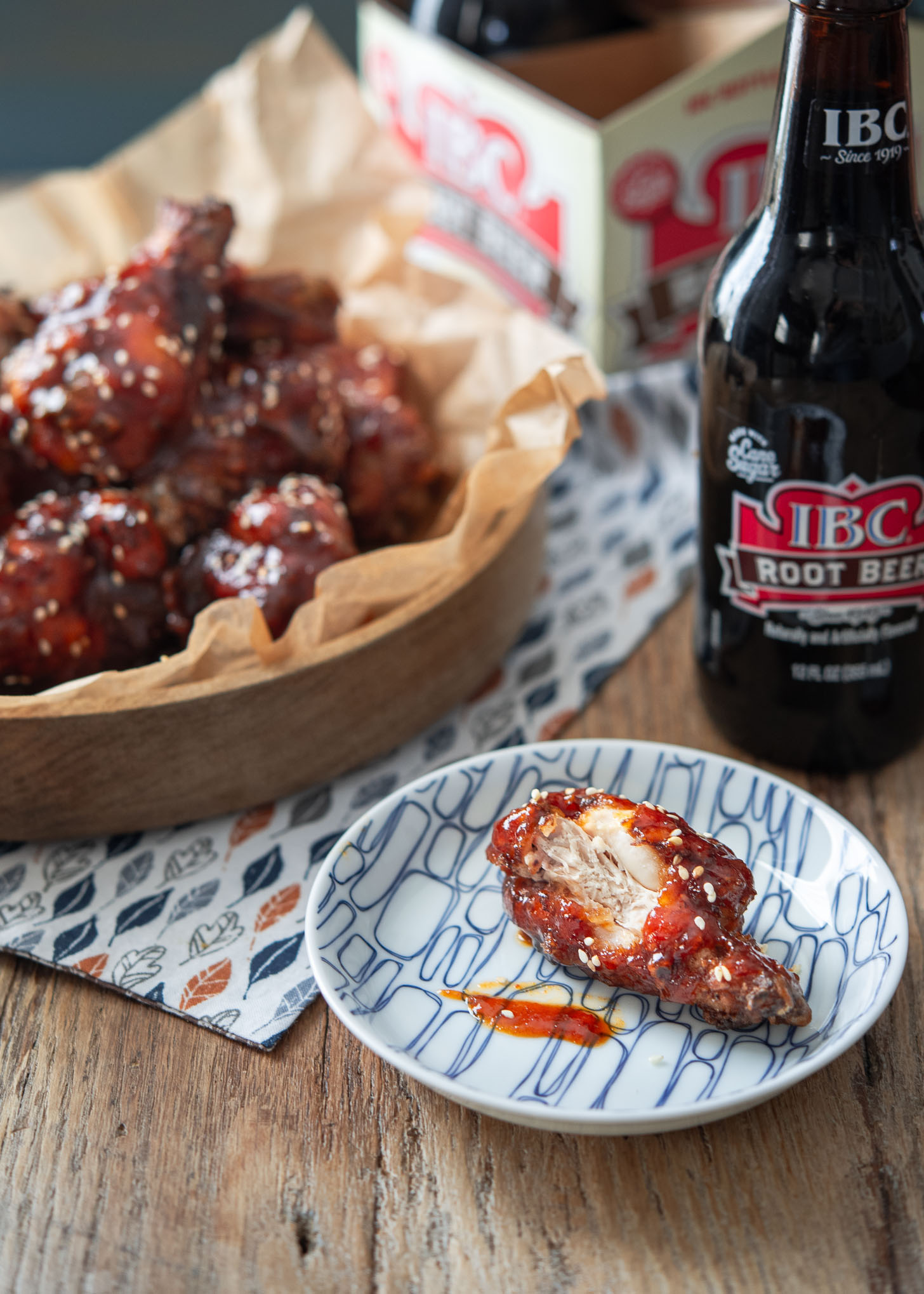
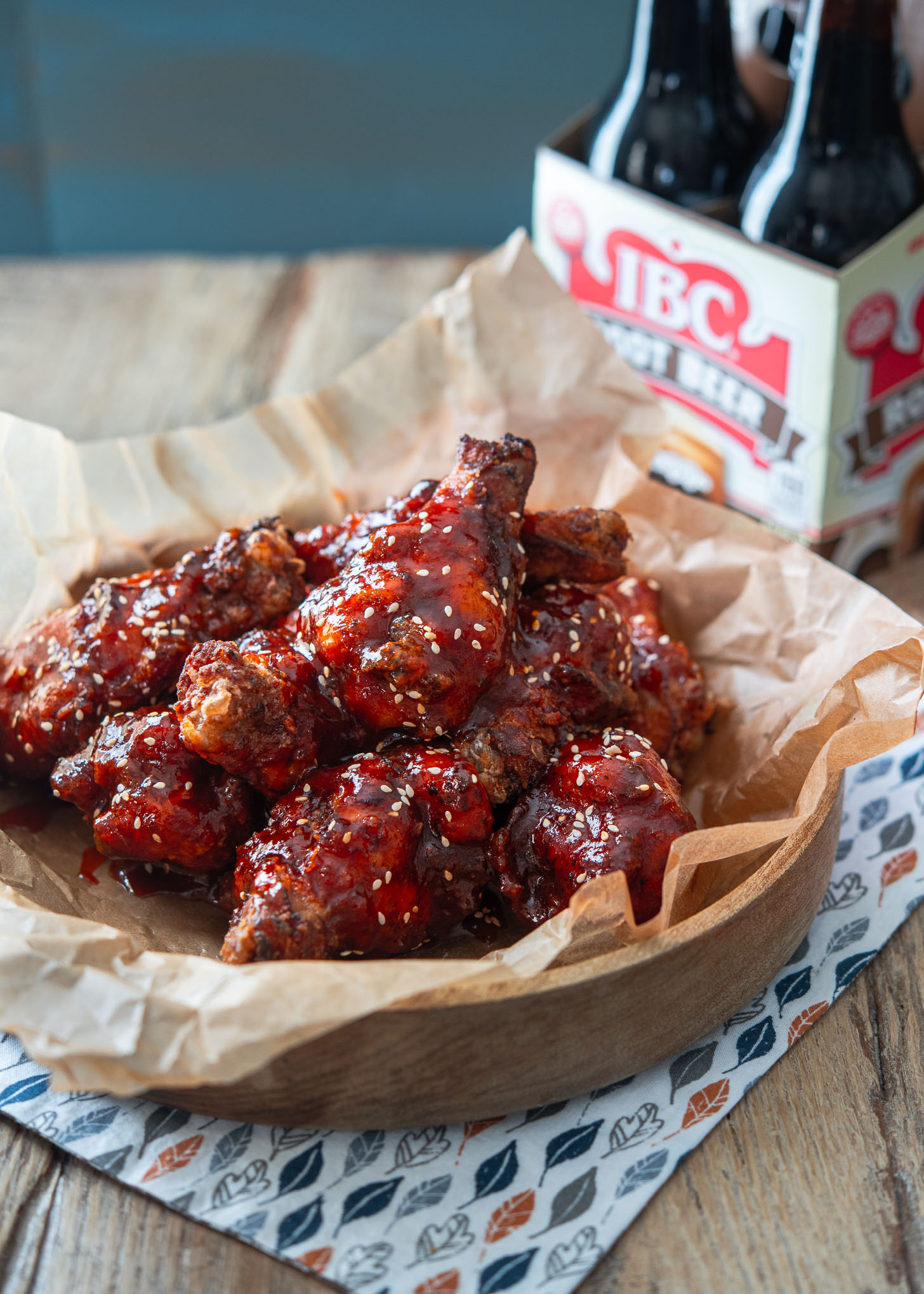
Most Korean chicken shops serve both, and it’s common to order a half-and-half so you don’t have to choose. This is exactly the kind of pairing you’ll see in chimaek (치맥), Korean fried chicken enjoyed with cold beer, often shared between soy garlic and spicy wings at the table.
Choosing Chicken Cuts for Korean Fried Chicken
You can make Korean fried chicken with wings, drumsticks, or boneless pieces. The method stays the same, but the results feel a bit different.
- Wings are the most popular in Korea for a reason. They’re small, cook quickly, and give you a higher ratio of crisp coating to meat. That’s why they’re the go-to for yangnyeom chicken and late-night chimaek.
- Drumsticks are meatier and more forgiving. They take a little longer to fry, but they stay juicy and are a good option if you prefer a fuller bite.
- Boneless pieces (usually thigh) are easier to eat and work well if you prefer using a fork. They fry up extra crisp on the outside and are easy to eat, especially when cut into smaller chunks.
- Size matters more than people think. Smaller pieces crisp faster and more evenly, while larger cuts need careful timing so the outside doesn’t overcook before the inside is done. Keeping pieces similar in size helps everything finish at the same time with a consistent crunch.
Building Korean Fried Chicken at Home (What Actually Matters)
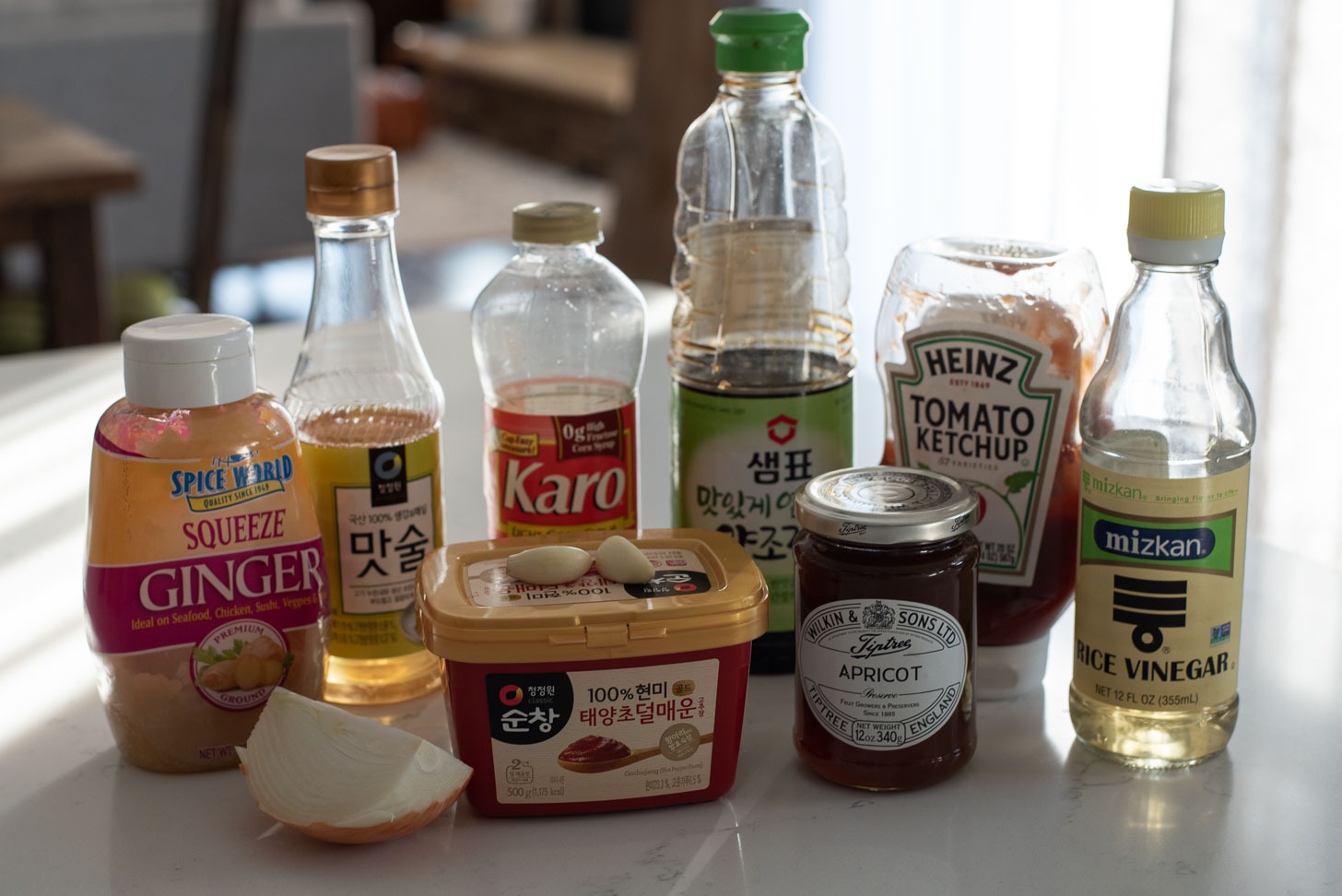
Getting Korean fried chicken right at home is less about complicated steps and more about paying attention to a few key details.
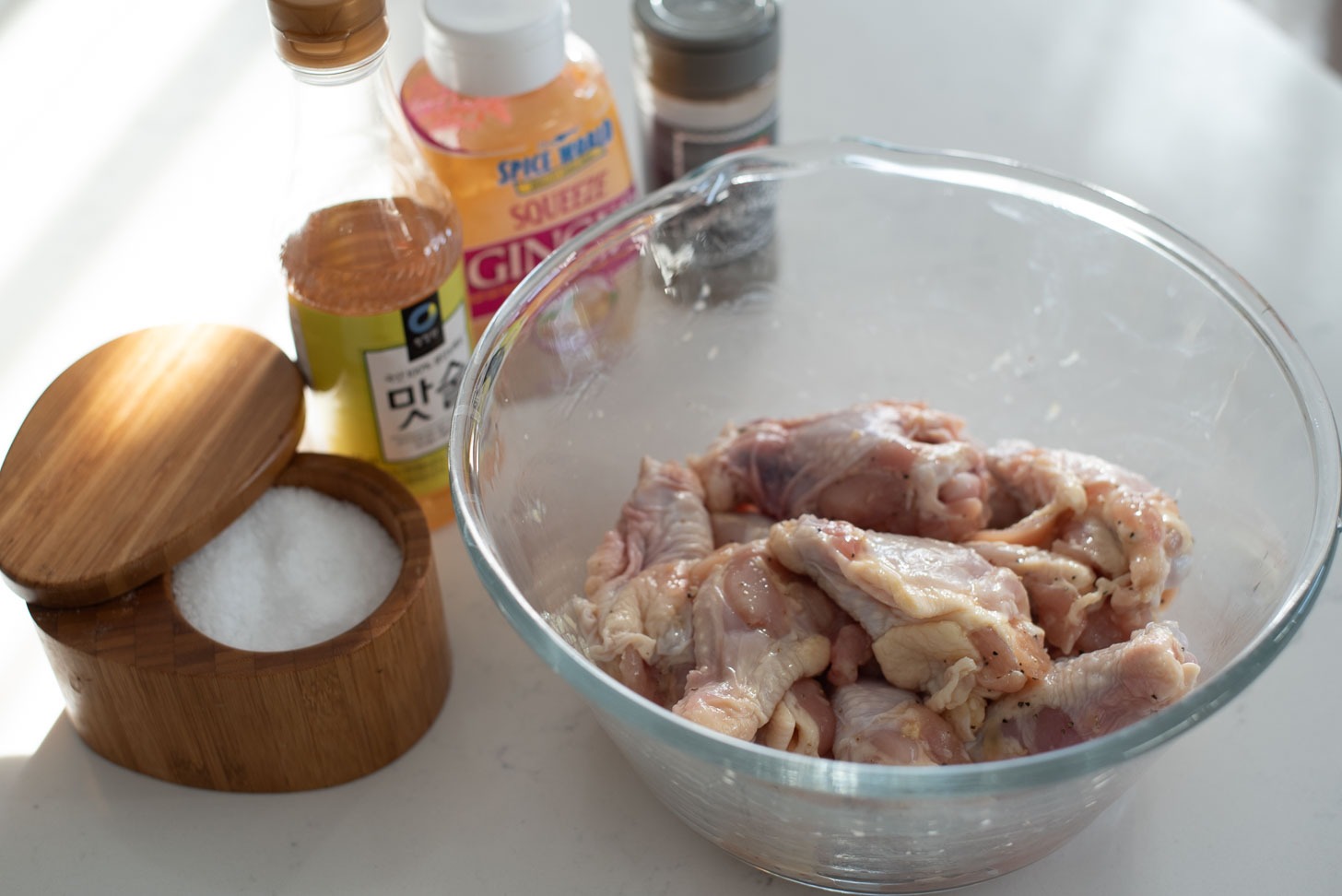
Season the chicken. Start with lightly seasoning the chicken. A short marinade with ginger and a bit of rice wine helps remove any raw smell and adds a subtle base flavor without overpowering the sauce later.
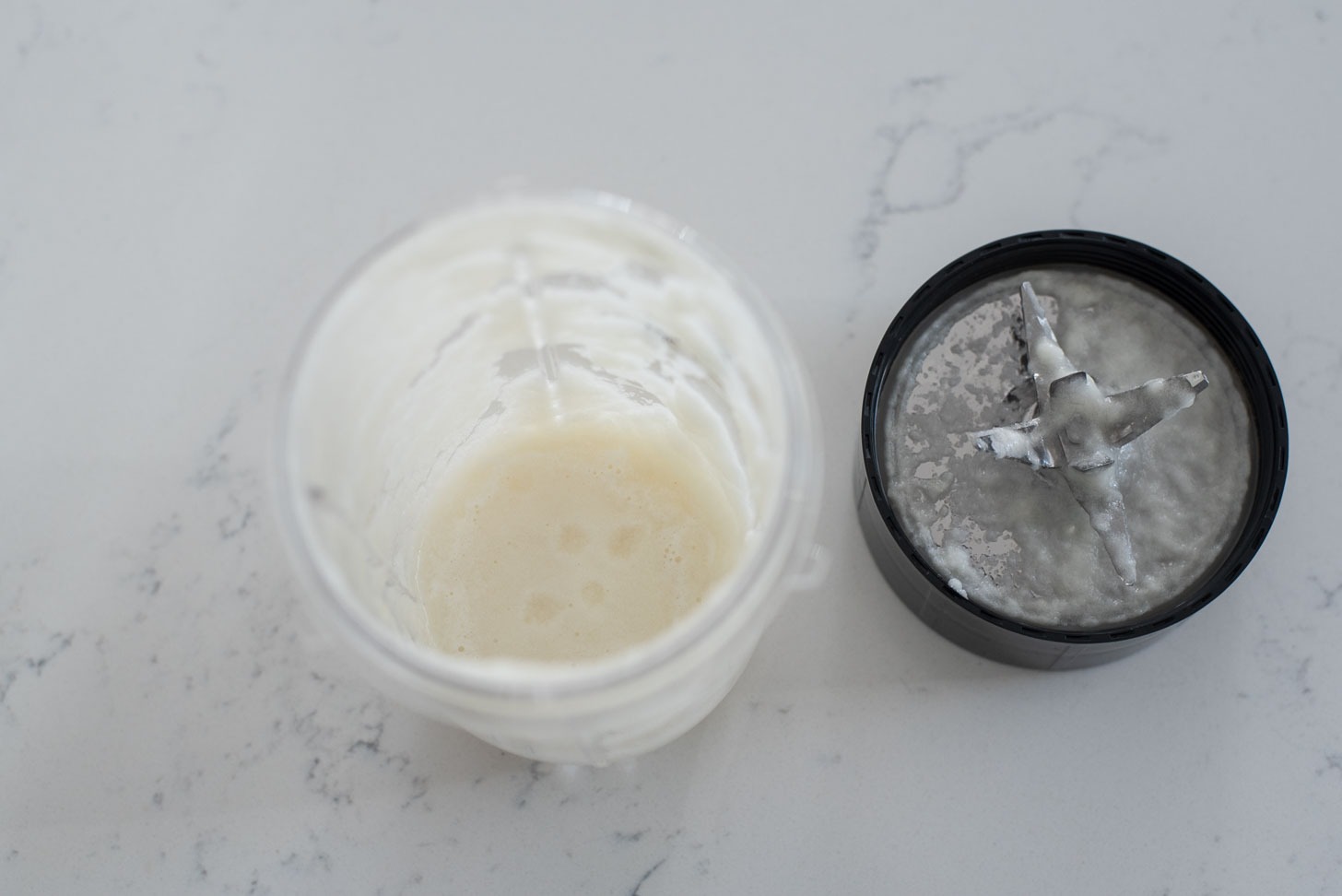
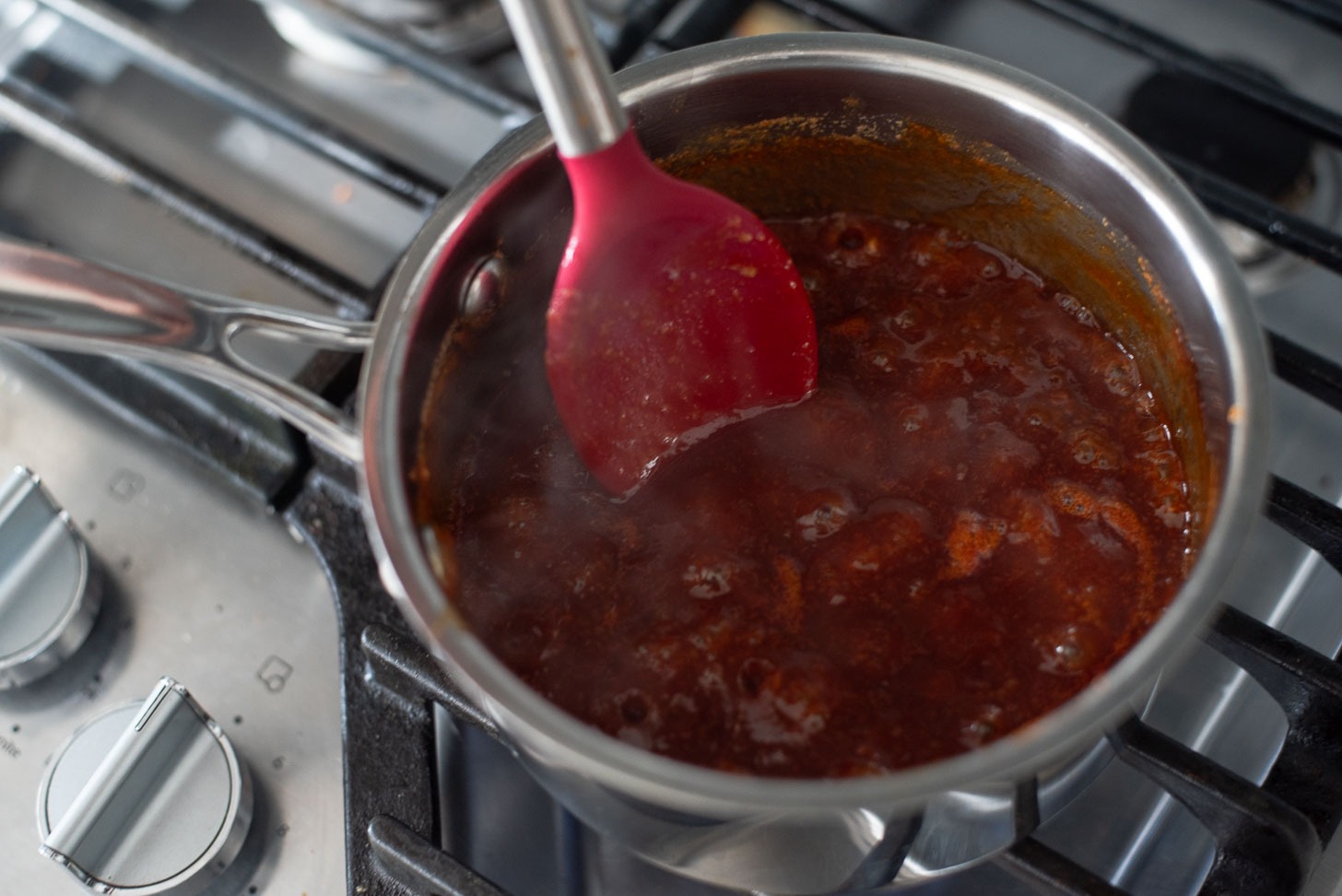
Prepare the sauce. The sauce comes together quickly, but the texture is what matters. Blending onion and garlic gives it body, and a short simmer turns it into a glossy glaze that clings to the chicken instead of sliding off. You’re looking for a light, sticky consistency, not a thick, heavy coating.
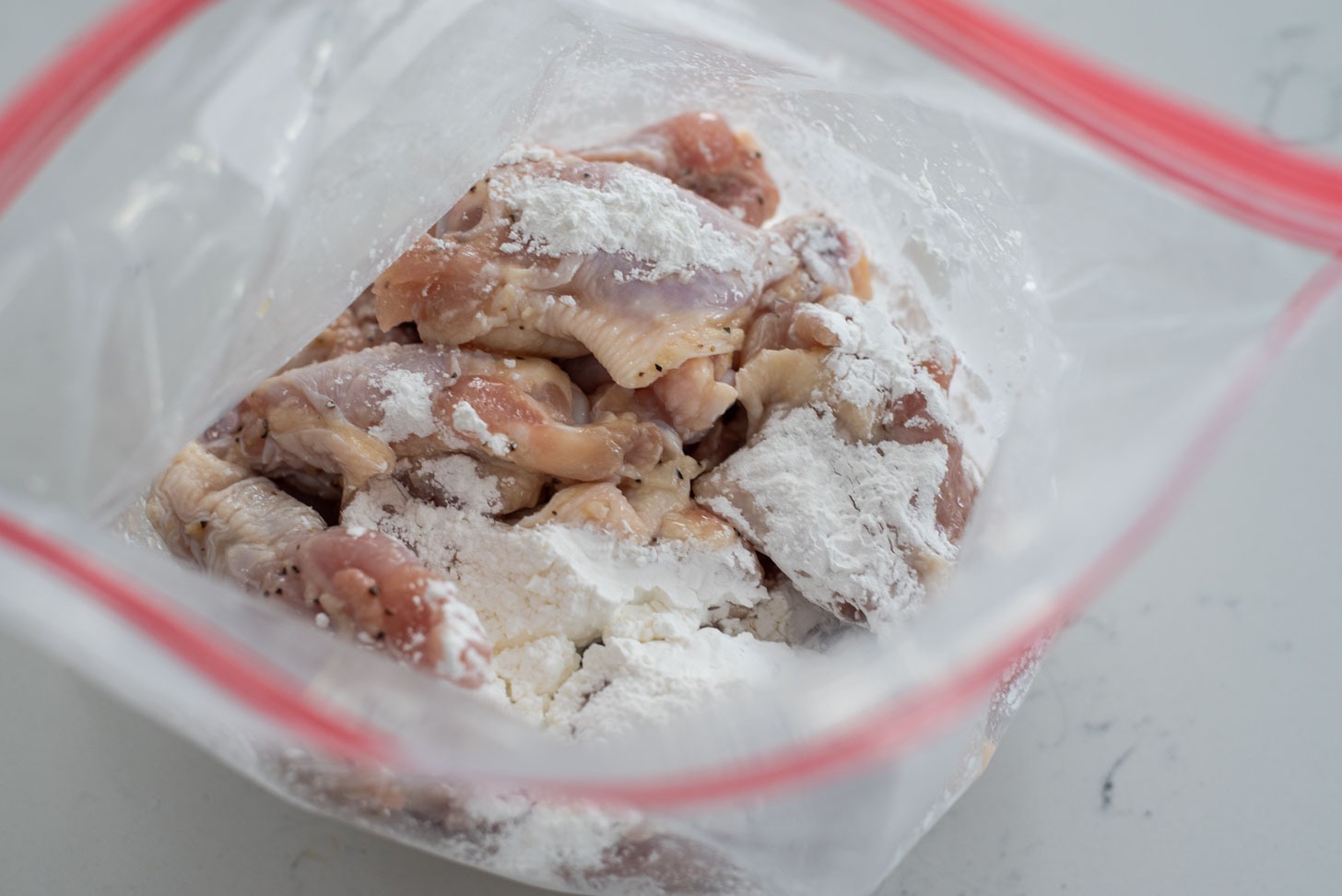
Coat the chicken. For the coating, a simple starch mixture creates that signature thin crust. It should lightly coat the chicken, not form a thick layer. This is what gives Korean fried chicken its crisp, almost delicate bite.
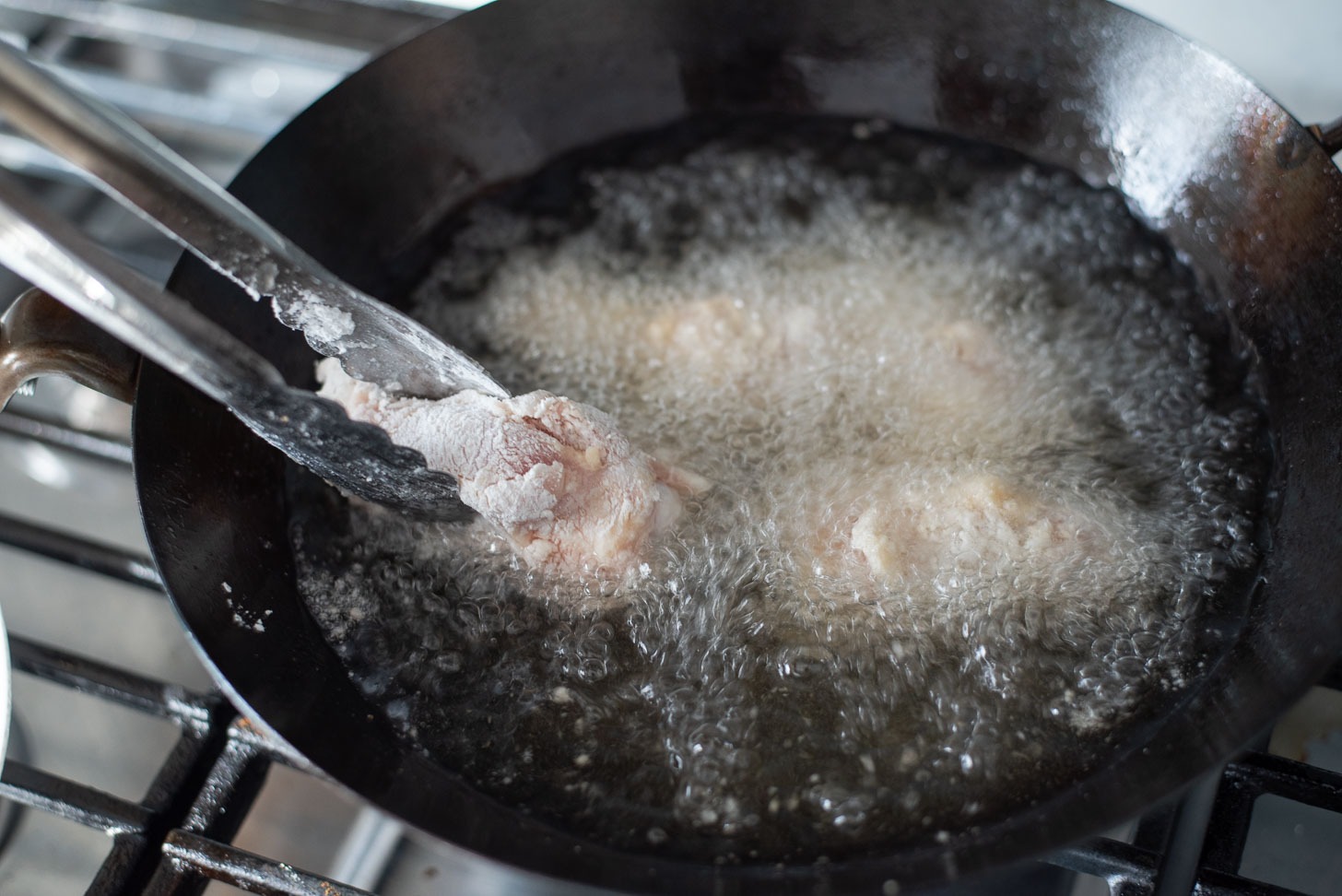
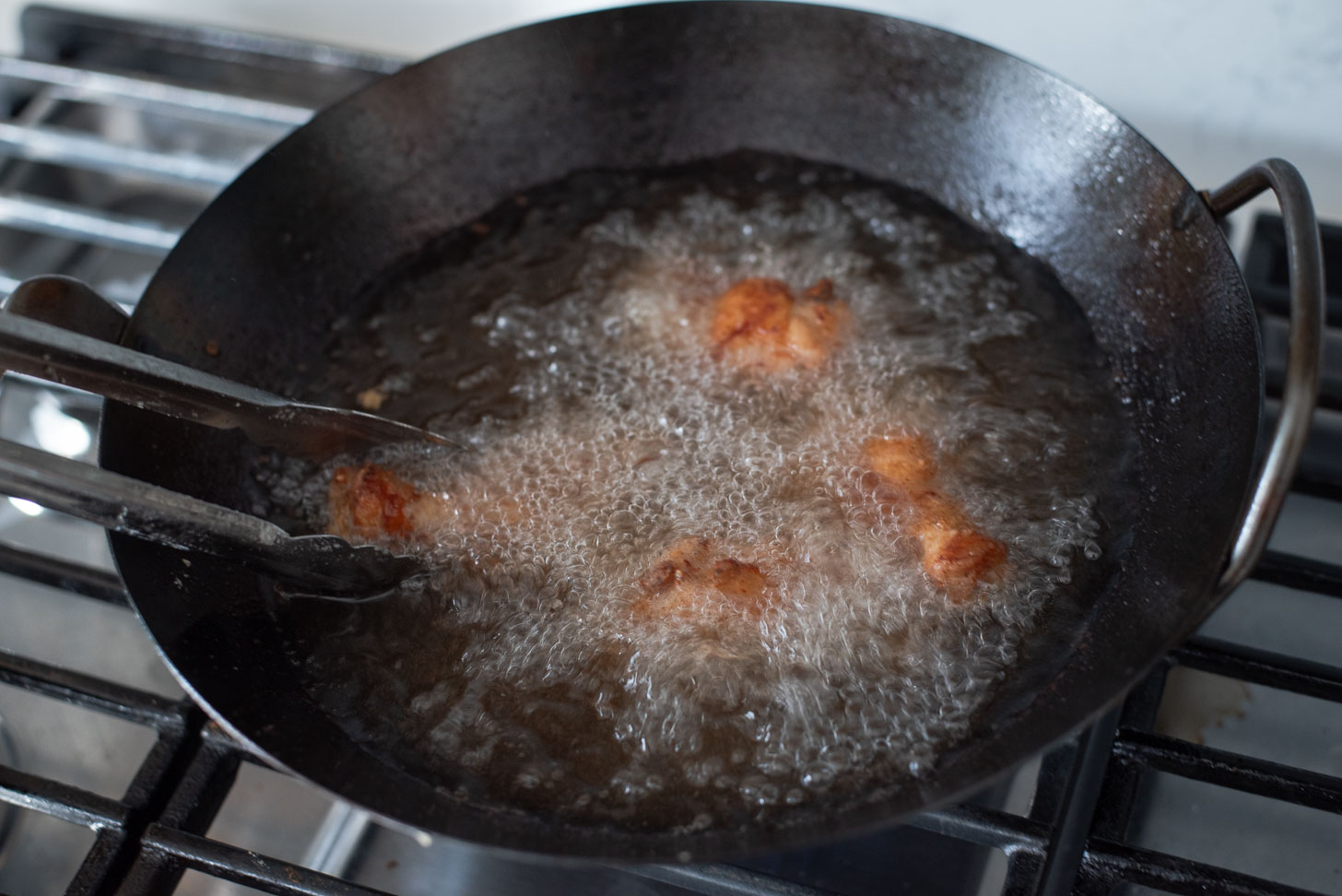
Double deep-fry. Frying is where everything comes together. The first fry cooks the chicken through and sets the coating. The second fry, at a higher temperature, is what creates that deep golden color and lasting crunch. Giving the chicken a short rest in between helps release steam so the crust stays crisp.
Hyegyoung’s Tip: Keep the oil at a moderate heat so the chicken fries gently. If the oil bubbles too much, lower the heat. Fry in small batches to avoid crowding the pan, which can lower the oil’s temperature and cause uneven cooking.
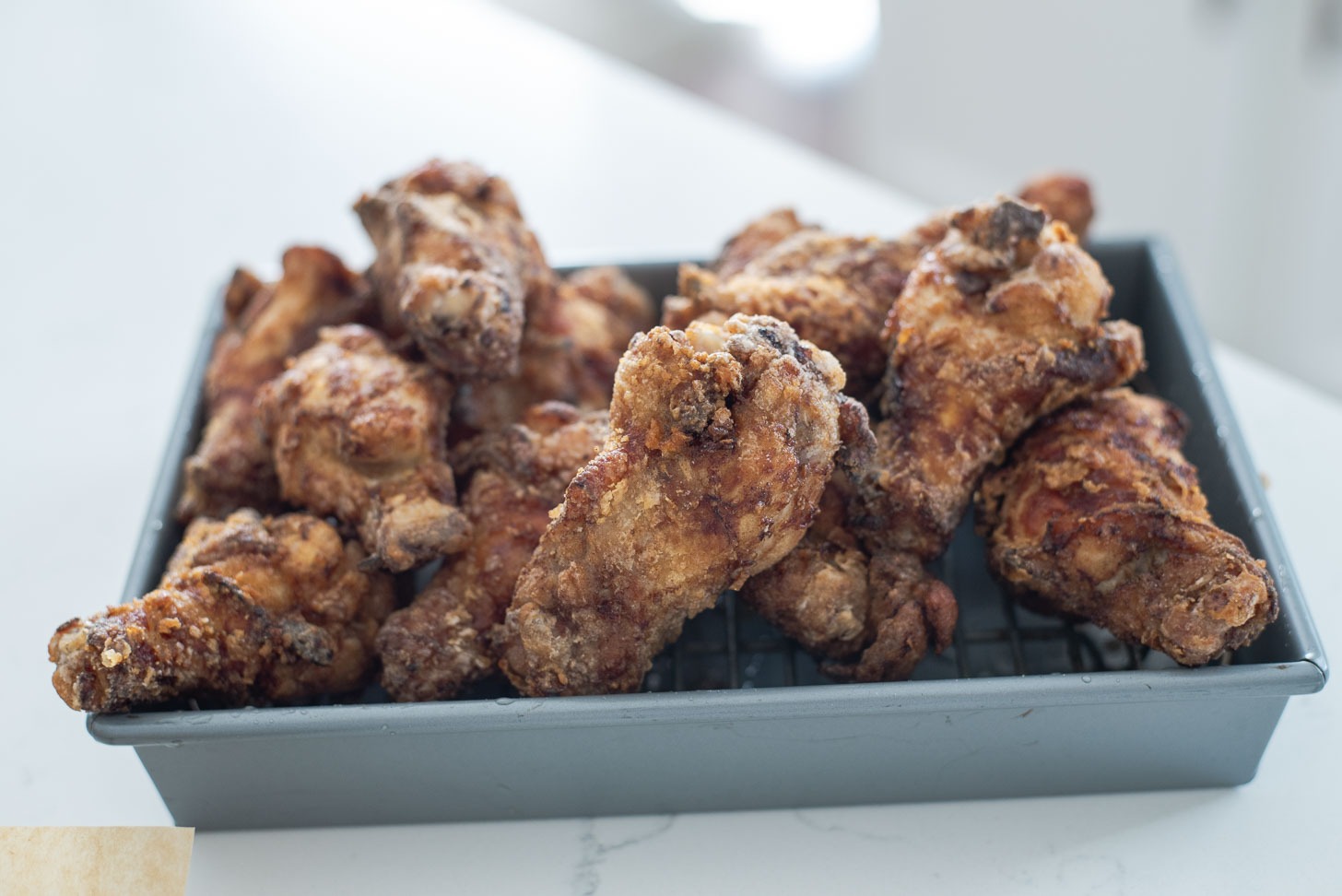
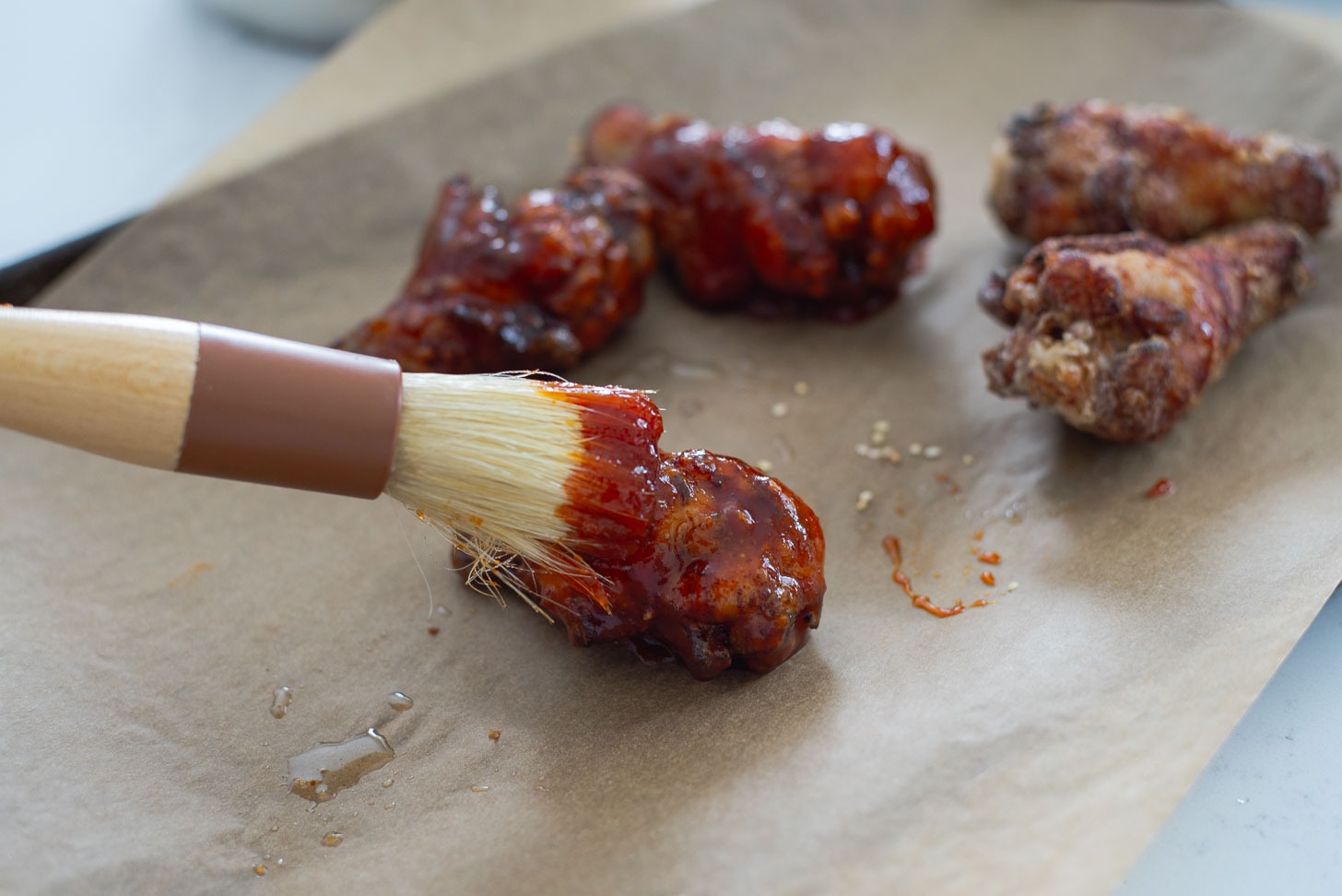
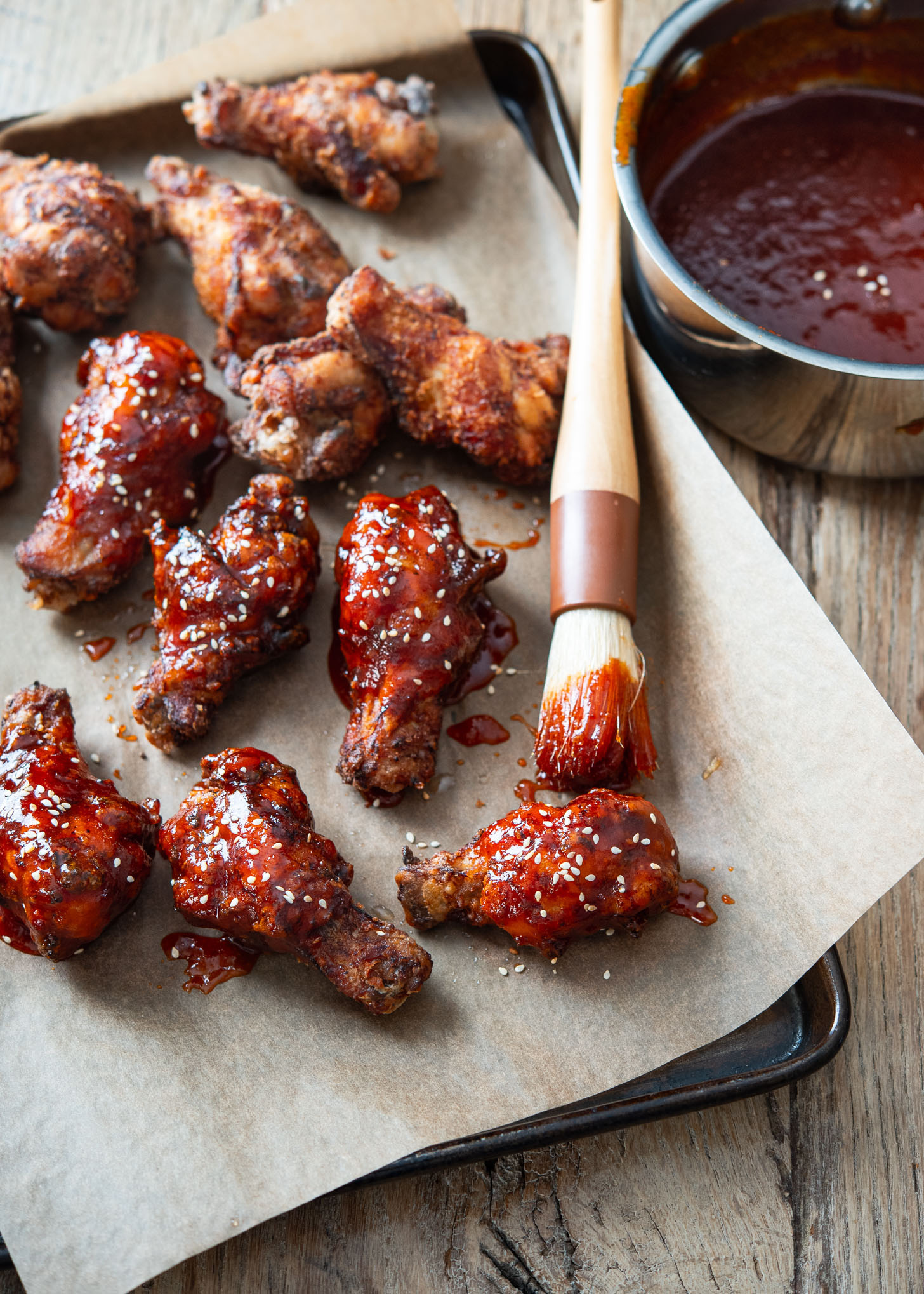
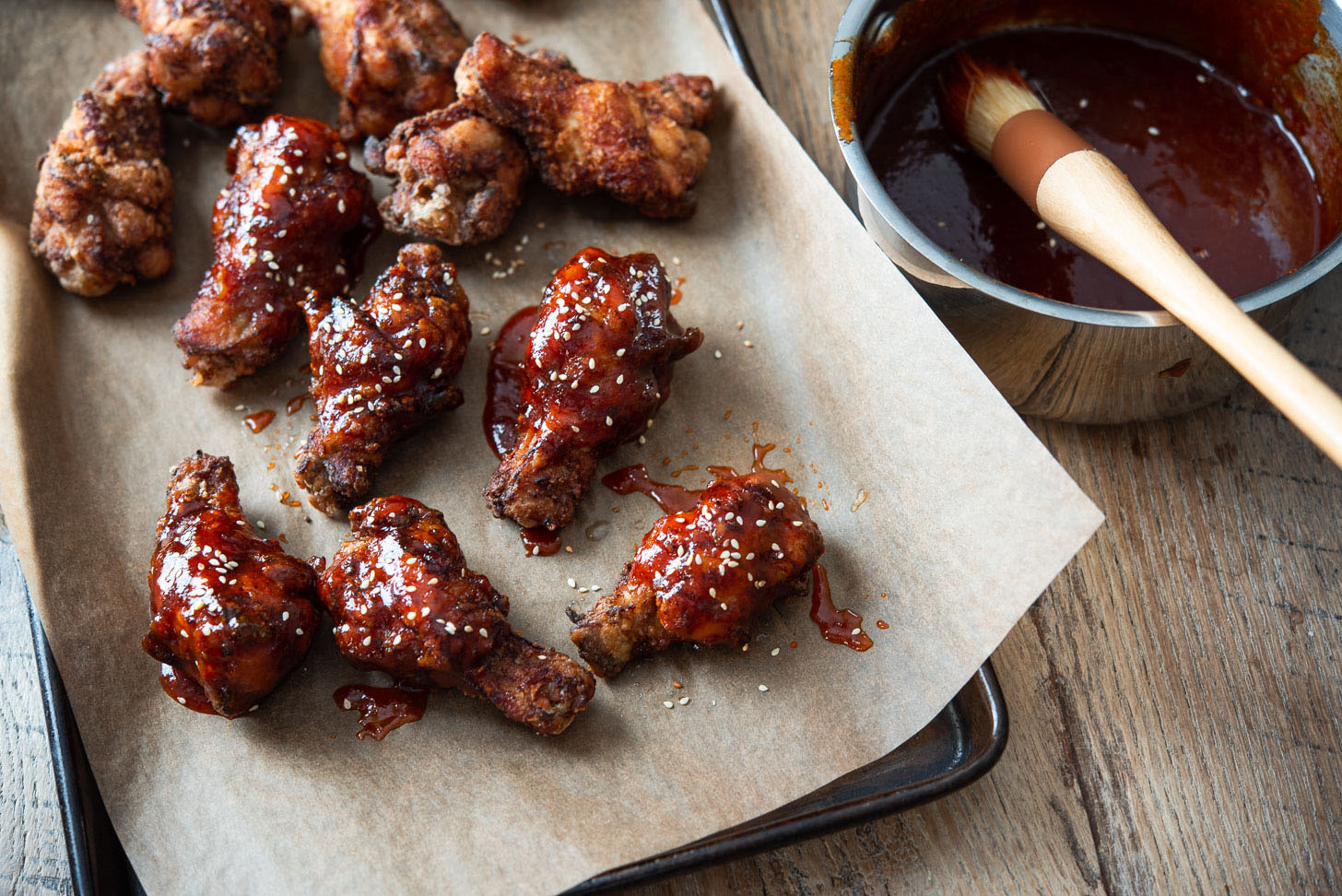
Coat with yangnyeom sauce. When it comes to finishing, you can toss the chicken in the sauce (glaze), but I prefer brushing the glaze on so the crust keeps its clean crunch.
Best Pairings for Korean Fried Chicken
In Korea, fried chicken is rarely eaten on its own. It almost always comes with something cold to drink, usually beer for the classic chimaek pairing, along with a few simple sides to balance the richness.
The most essential side is crisp, tangy Korean pickled radish (chicken mu). Its clean, slightly sweet acidity cuts through the fried coating and resets your palate between bites. I always keep a batch of this Korean pickled radish in the fridge whenever I make fried chicken at home.
If you want to build out a full spread, you’ll often see variations like my snow onion chicken recipe, where a mound of fresh onion salad adds a sharp, refreshing contrast over the crispy chicken. It’s a completely different style, but just as popular at Korean chicken spots.
Love this recipe? Rate it and share your experience in the comments below! On Instagram? Tag me to showcase your creation. For more delicious recipes, subscribe to our newsletter!
Korean Fried Chicken (Crispy Yangnyeom Chicken)
Ingredients
For chicken
- 2 ½ lb (1.3 kg) chicken party wings
- 1 tbsp (15 ml) sweet rice wine (mirim)
- ½ tsp (2 g) pureed ginger
- salt and pepper to taste
- ⅔ cup (80 g) cornstarch
- ½ tsp (2 g) baking powder
- oil , for deep-frying
- 1 tbsp (9 g) toasted sesame seeds, or finely chopped nuts
Korean fried chicken sauce
- ¼ (about 60 g) large onion , diced
- 2 cloves garlic
- 2 tbsp (30 ml) sweet rice wine (mirim)
- 1 tsp (5 g) pureed ginger
- 3 tbsp (45 g) Korean chili paste (gochujang), see note for a gluten-free gochujang
- 2 tbsp (30 ml) soy sauce, low sodium preferred
- 3 tbsp (45 g) ketchup
- 3 tbsp (38 g) sugar
- 2 tbsp (40 g) apricot preserve or strawberry jam
- 2 tsp (10 ml) rice vinegar, or white vinegar
- 2 tbsp (40 ml) corn syrup
Instructions
For the chicken seasoning
- Combine chicken wings, pureed ginger, rice wine, salt and pepper in a large mixing bowl; toss well together and set aside for 10 minutes.
For the sauce
- Put diced onion, garlic, and rice wine in a mini blender and process until smooth.
- In a small saucepan, combine all the sauce ingredients and pour in the onion garlic puree; mix well. Bring the sauce to boil over medium heat until it bubbles up and thickens slightly, about 2-3 minutes. Stir occasionally. Remove from heat and set aside to cool. The sauce will thicken as it cools.
For the deep-frying
- Mix cornstarch and baking powder in a large plastic bag. Add the chicken wings and shake them well to coat. Shake off extra coating from the chicken wings.
- For the first fry: Heat oil in a wok or skillet over medium-low heat, to reach about 330˚F. Drop the chicken wings, shaking off the extra cornstarch coating, into the oil, and deep-fry for 3-4 minutes. The oil temperature shouldn’t be too hot and the chicken will fry slowly. If the oil bubbles vigorously, reduce the temperature.
- For the second fry: When all the batches of the first deep fry are finished, raise the heat to medium, about 350˚F. Drop the chicken again into the hot oil and deep-fry until the coating turns a deep golden brown, about 1-2 minutes. Adjust the heat if it browns too quickly. Shake off the excess oil from the chicken and place them on a wire rack to allow the remaining oil to drip off the chicken.
- Brush or coat with sauce: Using a pastry brush, apply sauce on the hot chicken wings. Alternately, you can pour the sauce over the chicken and toss them to coat. Garnish chicken wings with toasted sesame seeds or finely chopped nuts. Serve these wings with your favorite cold beverage.
Notes
Holly, this recipe and these wings were out of this world fantastic. Even though I am sure I probably didn’t make them exactly like you would have. I have to admit I was a little confused with all of the necessary procedures and pureeing this and that. Sorry they were all gone before I could take a pic of them. Could you please give me the ingredients and the amounts to season the chicken?
I’m glad to hear they were well-received. For seasoning the chicken, all you need is salt, pepper, rice wine, and ginger paste. The recipe card specifies the amount of each ingredient. I used a couple of pinches of salt and pepper for mine, but the amount of salt can vary depending on personal preference and the type of salt used.
Hi Holly, I’m an old retired soldier and spent a lot of time stationed in korea. My last station was Tong Du Chon(Camp Casey) up near the DMZ. While I was there I was tremendously lucky to find a small restaurant which I believe may have been this recipe. I’ve recently been craving the delicious chicken from this small restaurant for the last several years. I am definitely going to go to the store today for the necessary ingredients. Hopefully it will be what I remember. My last military tour in Korea has been nearly 30 years ago, but I can still remember the flavor and goodness of the chicken from that little restaurant.
Hi Terry
First of all, thank you for your service. I’m pleased to hear that you enjoyed the authentic Korean chicken while stationed in Dongducheon. Despite most U.S. troops moving to the new base at Humphreys in Pyeongtaek, Dongducheon and Osan base remain in their original locations. I hope this recipe comes close to the taste you remember. Please don’t hesitate to contact me if you have any questions regarding the recipe. Thank you very much!
Fabulous, just the right touch of spice. Fantastic wing!
Today, I made this recipe (well without the jam, sugar, corn syrup, but with a little honey since the sauce sounded too sweet on paper). It was my first time making fried chicken.
It was not good…
It was the best! So yummy, I loved the crispy gingery coating of the chicken (I added a bit more to the coating) and the sticky sauce, so good.
At first, I was worried at your first response but soon, I was relieved to learn that you think this is the best. Thanks for trying my recipe and leaving a comment. Hope this helps other readers, too.
It was a small joke the way I wrote it down. I really enjoyed the recipe I made, and I also think it will also be great with the corn syrup, jam and extra sugar (which I did not test).
I really liked the thick sauce and I am thinking of using this one for grilled cheese sandwiches and other delicious foodies (maybe hamburgers?) which benefit from such a thick sweet, sour, spicy, umami sauce.
Looks delicious especially the photos, will have to try th recipe later! I find yangnyeom chicken quite a staple in Korean food, what else is your favourites among Korean chicken that you like to cook?
I just wanted to say KAMSAHAMNIDA because this has been a big success with my husband and his friend. I’m French and I live in Japan and my husband is Korean. Apart from pulgogi my sister-in-law gave me the recipe for, I didn’t have many recipes in my “Korean” bag. I can’t eat spicy or maybe just kimchee but I wanted to find a recipe that my husband would like and spicier than what I usually do. This was excellent according to him 😉 I had to buy some more chicken wings for the next day as there was some left over sauce and he wanted to have it again. That’s how I know he’s not lying lol
By the way I also tried the tofu and egg pudding + the pan fried Korean tofu and those too were a hit. Thank you so much!! Now off to pick a new recipe to try tonight for my friends!
I just found your blog tonight, looking for Korean wings! I am in the US so am wondering if the frying temp is Farenheit or Centigrade? I SOOO want to make these but don’t want to screw up your recipe without having some clarification. Please advise, ASAP!
The temperature is Celsius. Farenheit would be 350 degree.
Hi Holly! I was on the hunt for a Korean wings recipe because I’ve never tried it before and I came here to find one. This looks perfect! Can’t wait to make it!! 🙂
I just started following your blog and I think it’s absolutely wonderful! Your chicken recipe looks amazing and I can’t wait to try it out. I just posted a video on my version of Korean Chicken Wings with sesame seeds and Thai chili peppers! It’s a really inexpensive, easy, recipe to make too 🙂
Can’t wait to see your other recipes + try them out.
I have been using your recipe for KFC for ages now, and just wanted to say that it is the BEST! My partner even thinks it is better than any KFC he has had before (in restaurants)!
We are travelling to KL in July and were wondering (albeit a very strange request) if you knew of any good places that have KFC over there?
Hi Bianca, I’ve seen one restaurant near Ampang point called kokodak (꼬꼬닭) but haven’t tried. Thanks for the comment. I am so glad that you and your partner loved my recipe.
This is the very nice recipe I try it… yum