
Soy Sauce (Ganjang)
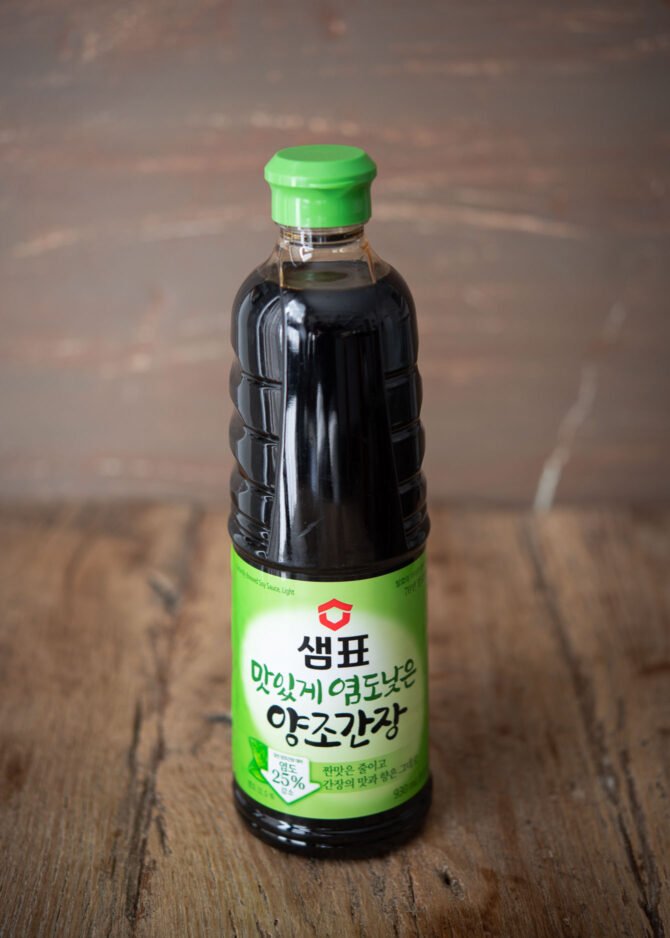
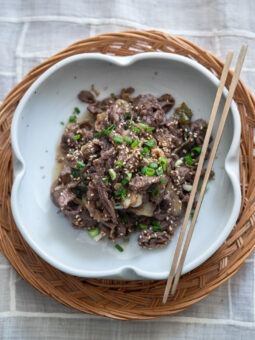
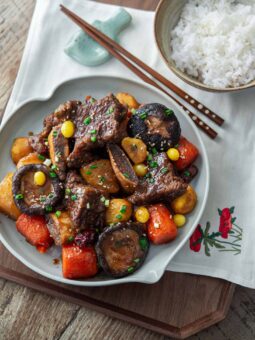
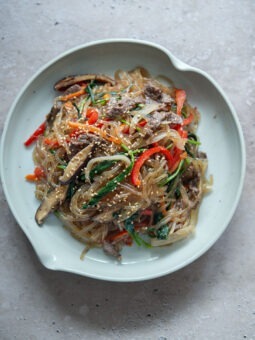
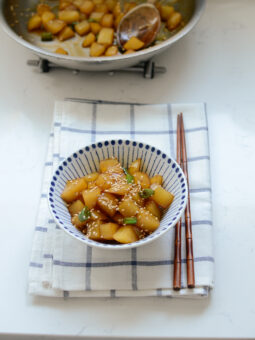
Soy sauce (ganjang, 간장) is originated from ancient China and became an essential condiment to Korean cuisine. You will find a variety use of this sauce as a marinade, to braise meat, and as a dipping sauce to season and flavor Korean dishes.
People are often confused with common soy sauce with Korean soup soy sauce. Korean soup soy sauce (guk-ganjang) is a completely different condiment and original to Korea. Find more information about this sauce in my Korean pantry page
Types of Soy Sauce
Korean cooking uses three main types of soy sauce.
- Yanjo-ganjang (양조간장): This soy sauce is from the naturally brewed soybeans and wheat (or rice). The common soy sauce we get at the store is fermented in a factory for about six months before being bottled. It is a higher quality soy sauce than the other type of soy sauce that are also commonly used. Look for the words “양조간장 (naturally brewed soy sauce)” if you are looking for this type of soy sauce.
- Jin-Ganjang (진간장): This soy sauce is a mixture of yanjo-ganjang and chemically fermented soy sauce, which relies on hydrochloric acid solution to break down the proteins in the soybeans, to shorten the fermenting time. Therefore the cost of jin-ganjang is usually cheaper than yangjo-ganjang.
- Mat-ganjang (맛간장): It is flavored soy sauce with additives like onion, sea kelp, mushroom, and garlic. This sauce is occasionally used to add another layer of flavor in the dish. Many Korean home-cooks make their own version of flavored soy sauce to meet their taste preference. However you can buy factory made mat-ganjang in many Korean markets.
Note: I use low-sodium soy sauce on most of my recipes. You can use either regular or low-sodium depending on your preference.
Storage
Unopened bottles can stay in a cool pantry. Once you open soy sauce, move it to the fridge. It keeps its color and flavor much longer there. I don’t recommend freezing soy sauce. The flavor dulls and the salt separates.
Substitutes
If you run out of Korean soy sauce, Japanese soy sauce works in most cases. Chinese light soy sauce is also fine, but the flavor runs a little sharper. For soups and stews, there’s no true substitute for Korean soup soy sauce. If you must, use a small splash of regular soy sauce and season with salt to adjust.