

Yeolmu Kimchi (Korean Young Radish Summer Kimchi)
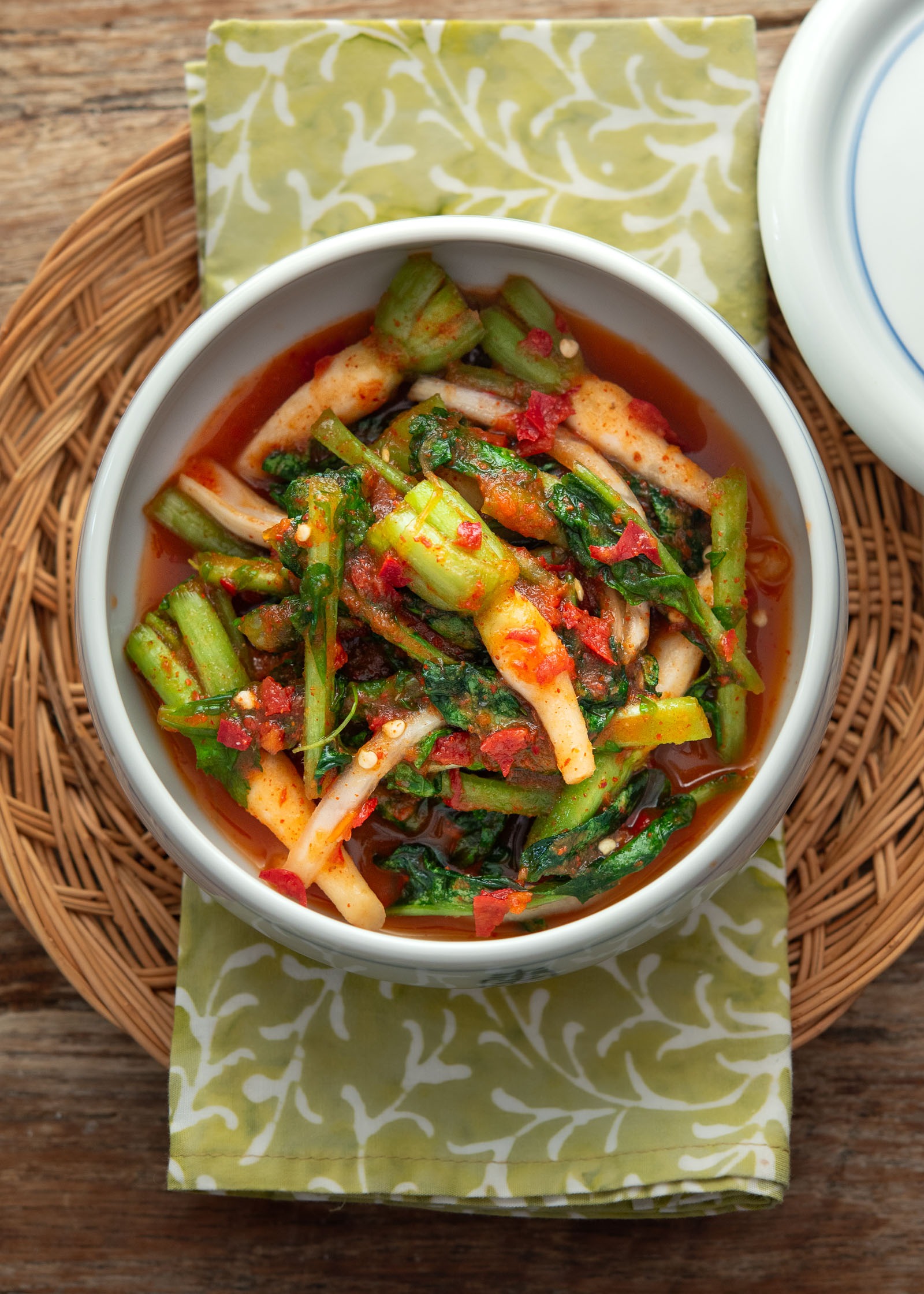
Yeolmu kimchi made with young Korean summer radish, fresh red chili, and a light juicy seasoning. This classic Korean side dish ferments quickly and is ready in about 1 day, perfect for rice bowls, noodles, and warm-weather meals.
Get new recipes via email:
Once summer starts in Korea, yeolmu kimchi (열무김치) often disappears faster than napa kimchi. The stems stay crisp, the leaves soften just enough, and a spoonful of the tangy brine can wake up even a plain bowl of rice.
This is one of Korea’s true summer kimchi staples, showing up in many homes when young radish comes into season. It is more than a side dish. My mother often turned it into an easy meal with cold noodles or warm rice topped with plenty of yeolmu kimchi and its juices. Simple, humble, and deeply satisfying.
If you can find Korean young summer radish, make this kimchi while it is in season. The flavor, crunch, and cooling freshness are well worth the effort.
Why Yeolmu Kimchi Is Korea’s Summer Favorite
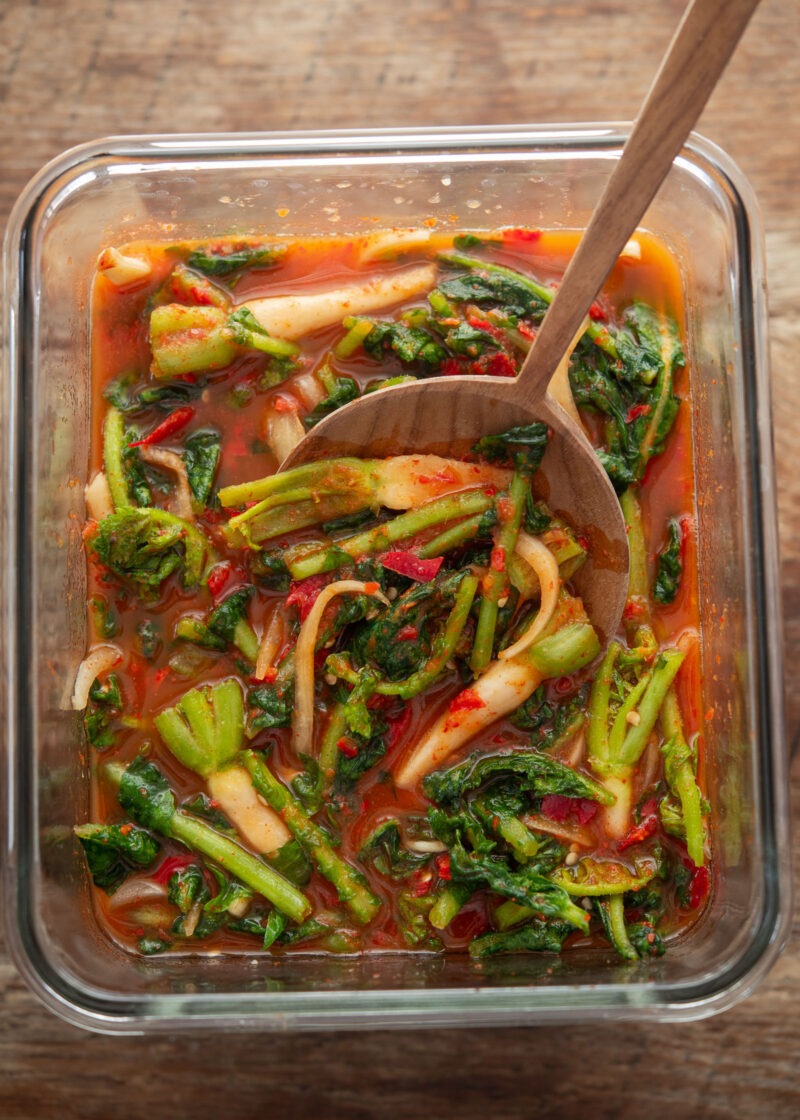
Yeolmu kimchi has a lighter, fresher feel than napa cabbage kimchi, which is why many Koreans crave it once the weather turns hot. Young radish has crisp stems, tender greens, and a clean peppery bite that turns especially refreshing after a short fermentation.
A good summer yeolmu kimchi often uses coarsely blended fresh red chilies, with less of the dried gochugaru commonly used in many other kimchi recipes. Fresh chilies give the seasoning a brighter flavor, natural moisture, and a cleaner heat that pairs beautifully with tender summer greens.
As it ferments, the flavor stays bright and refreshing rather than rich and heavy. That makes yeolmu kimchi especially good with barley rice, bibimbap, or simple summer meals.
For many Korean families, yeolmu kimchi is the dish that signals summer has truly arrived. The tutorial video below demonstrates the same method used in this recipe, but with a combination of young radish greens (yeolmu) and young cabbage hearts (eolgari). If you prefer, you can follow the exact same process using only young radish greens as shown in this recipe.
Watch Recipe Video
How to Choose the Best Young Radish for Yeolmu Kimchi
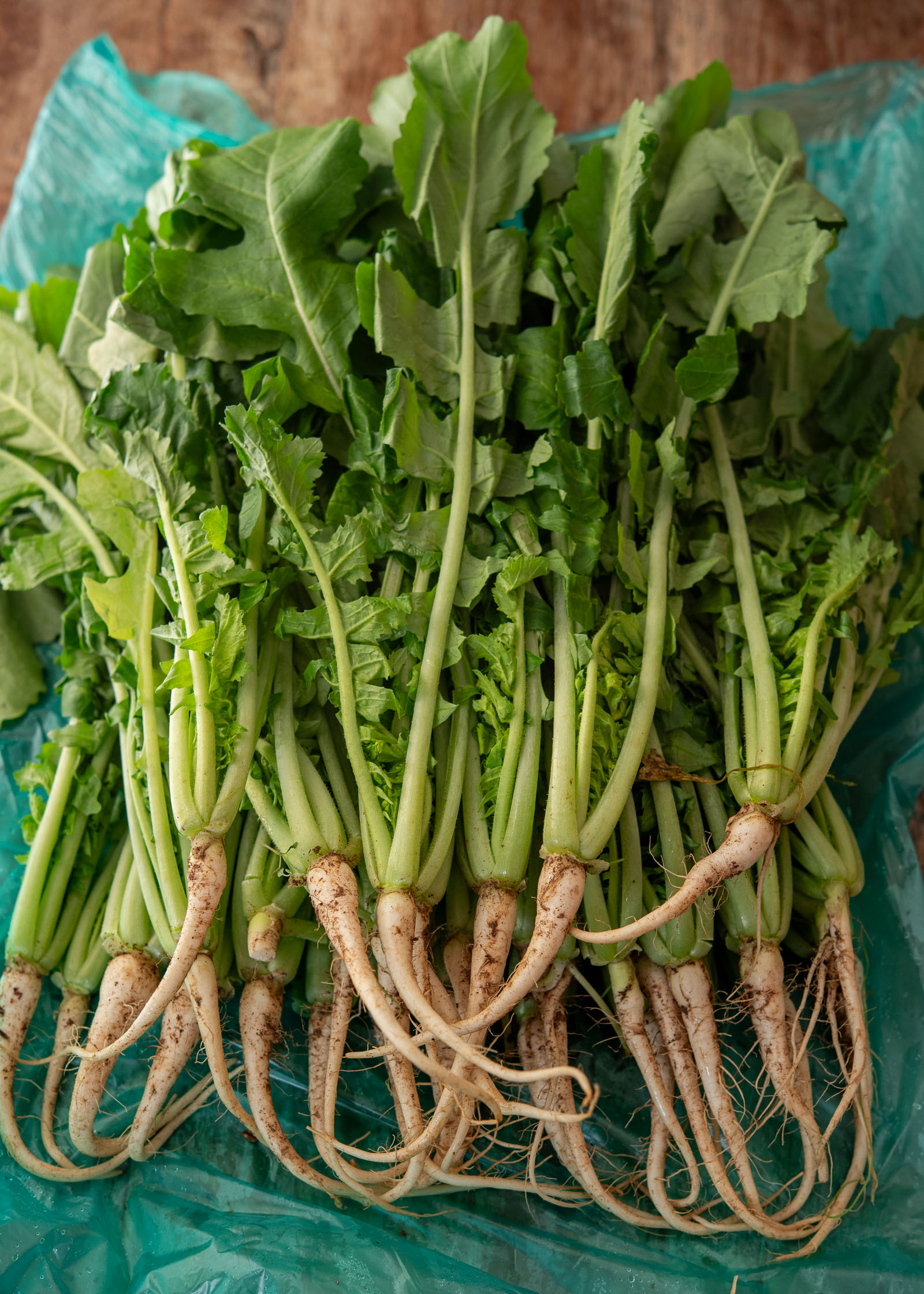
Look for bunches with thin, young stems and fresh green leaves. Tender yeolmu makes the best kimchi because the stems stay crisp while the leaves soften nicely after salting.
Choose bunches that feel fresh and firm, not limp or dry. Avoid oversized thick stems, yellowing leaves, or roots that look woody, as they can turn fibrous and less pleasant to eat.
If shopping at a Korean market, smaller bunches are often the sweeter and more tender choice. Fresh yeolmu usually appears in late spring through summer, when flavor and texture are at their best.
Light, Flavorful Kimchi Seasoning
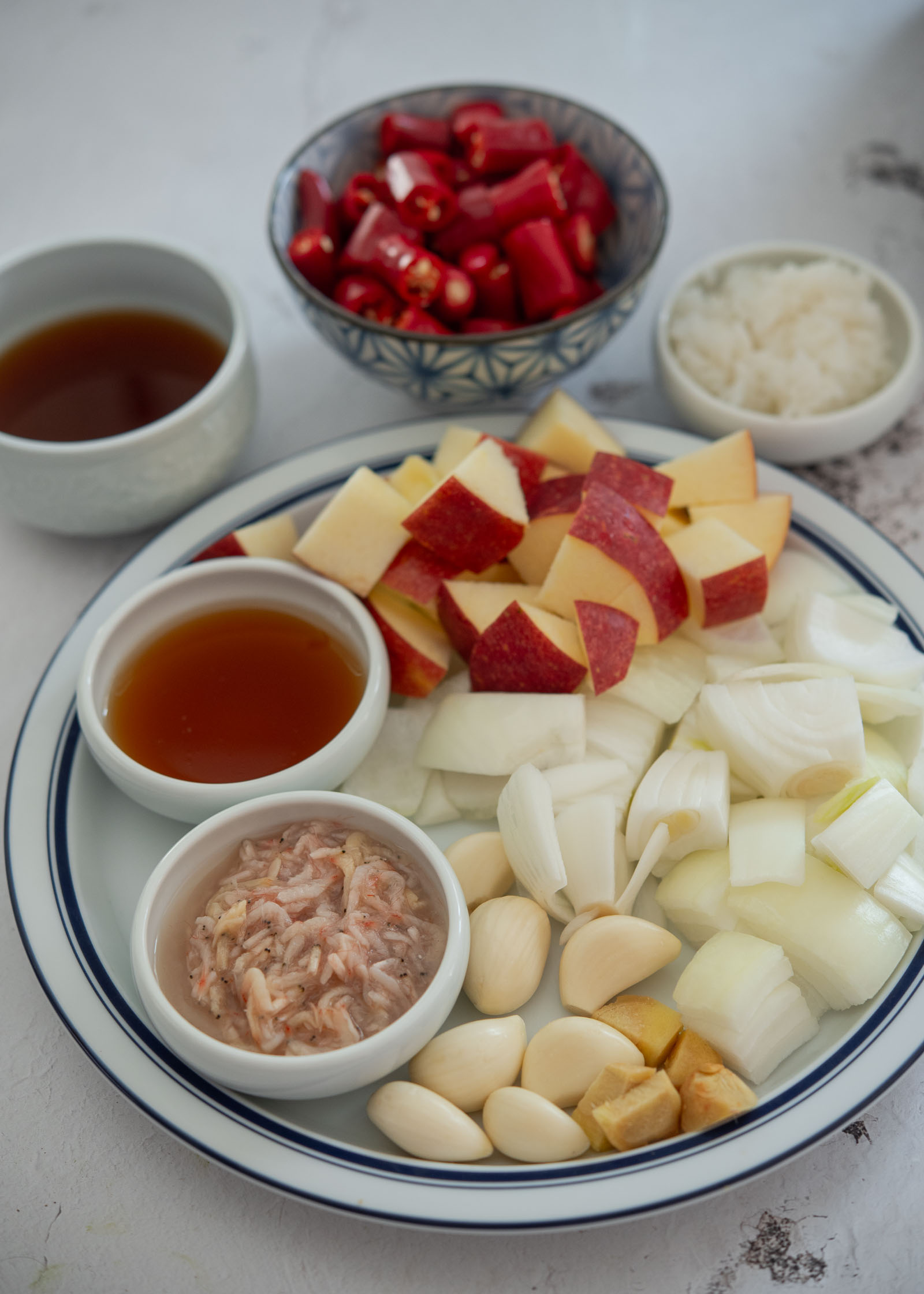
Fresh red chili is one of the ingredients that gives this yeolmu kimchi its bright summer flavor. Unlike many kimchi recipes that rely mostly on dried gochugaru, fresh chili adds natural moisture, a cleaner heat, and a lighter taste that pairs well with tender young radish greens.
I also blend onion, apple, garlic, ginger, cooked rice, salted shrimp, and anchovy sauce into the seasoning base. The apple adds natural sweetness, while cooked rice helps create a smooth seasoning that ferments beautifully.
Together, these ingredients create a seasoning that feels fresh and lively rather than heavy, which is exactly what I want in a summer kimchi.
How I Make Yeolmu Kimchi at Home
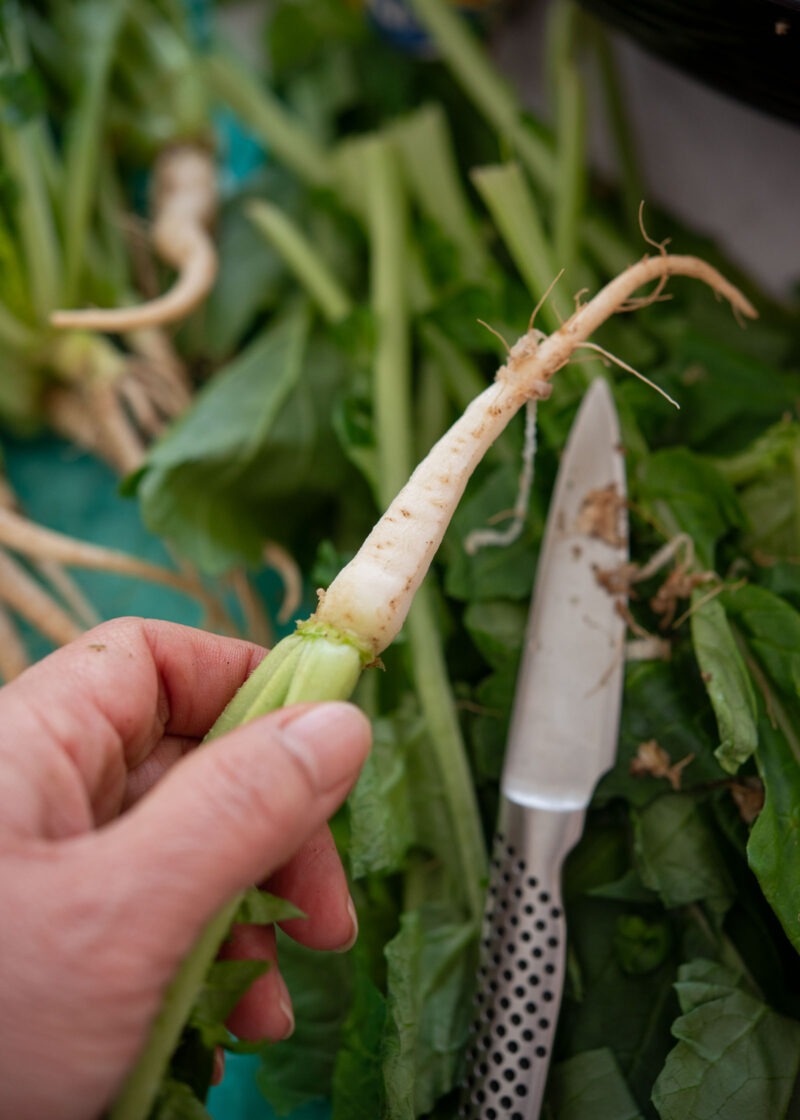
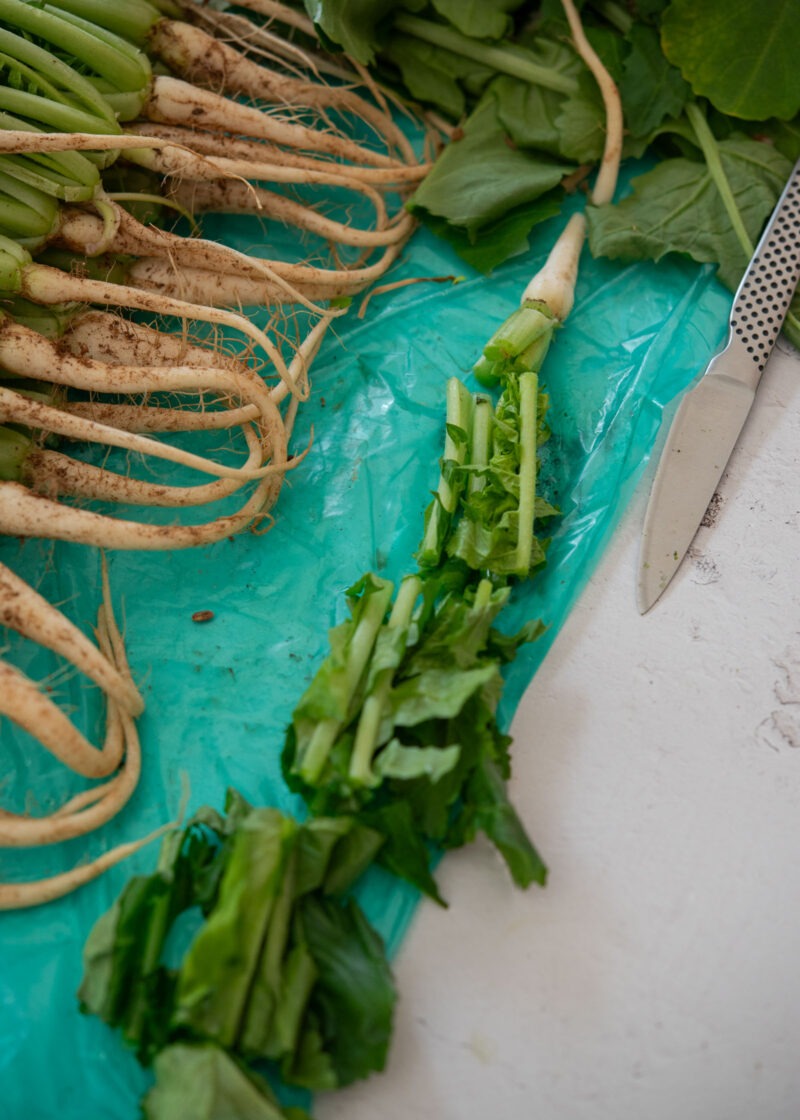
Start by trimming the young radish bunches. Scrape off any dirt clinging to the roots and trim damaged leaves. Cut the bunches into easy-to-eat lengths, about 3 inches.
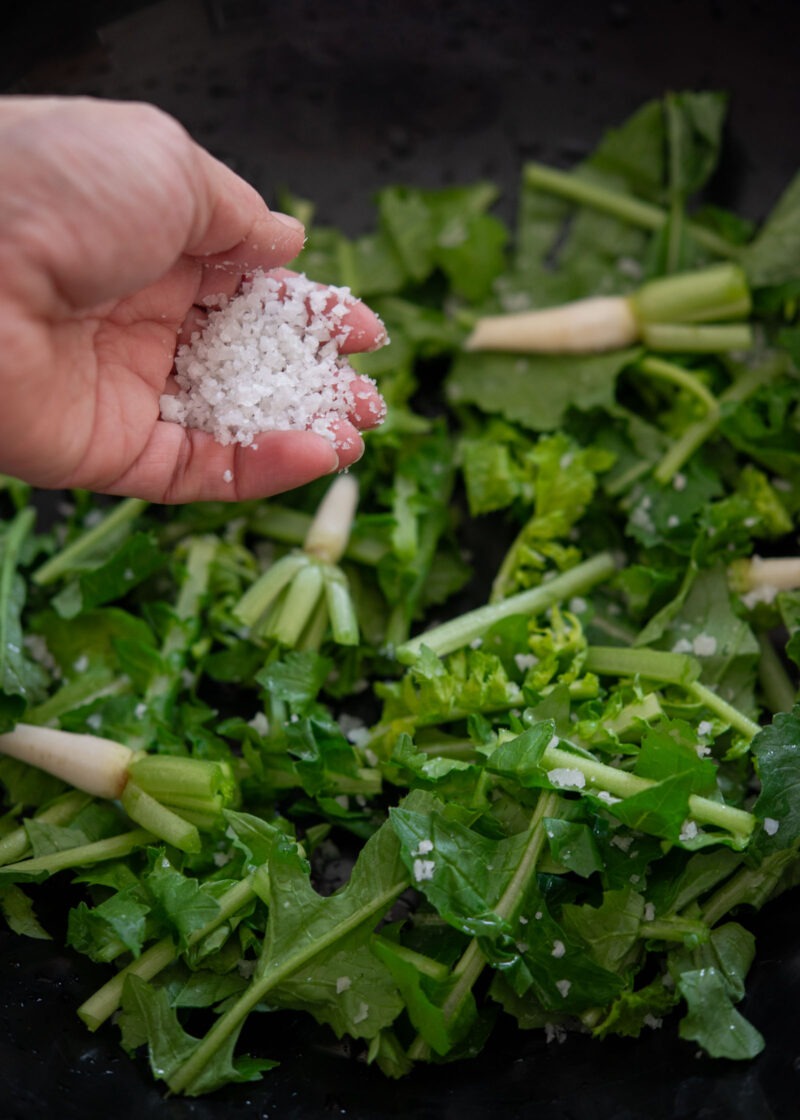
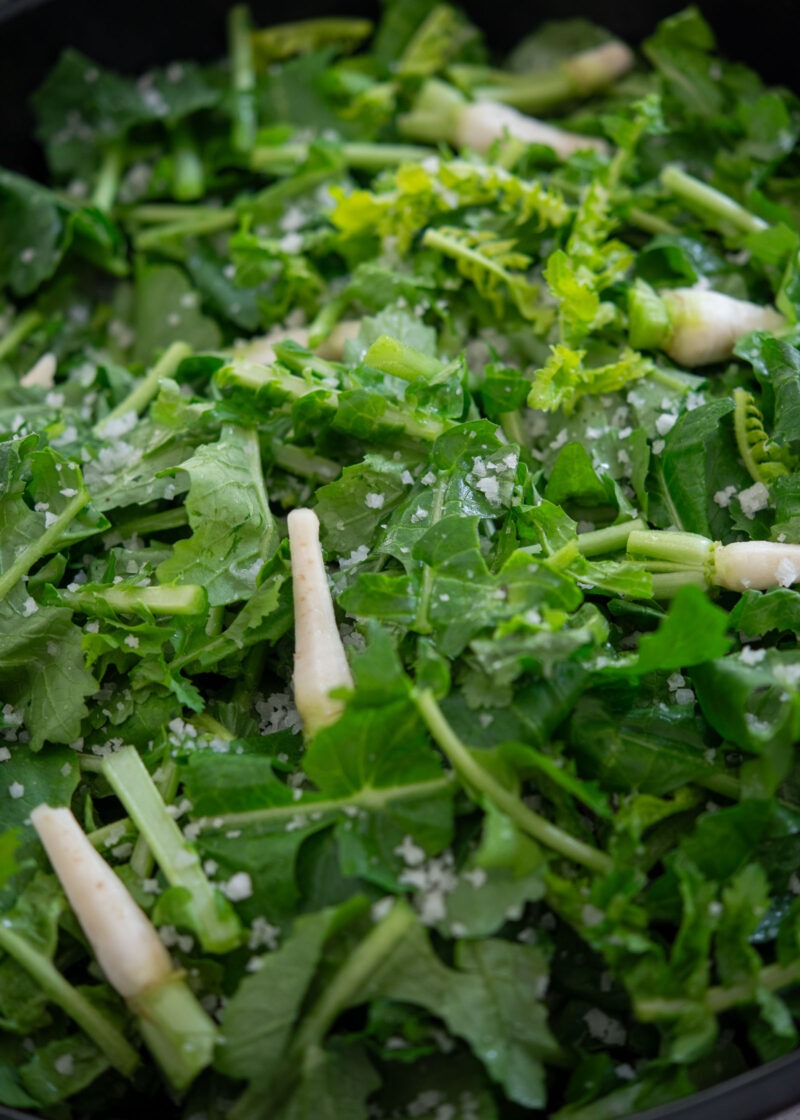
Salt the yeolmu in layers using Korean coarse sea salt (cheonilyeom), the same salt commonly used for making kimchi in Korea. Its large crystals draw moisture gradually, helping the stems soften while maintaining their texture.
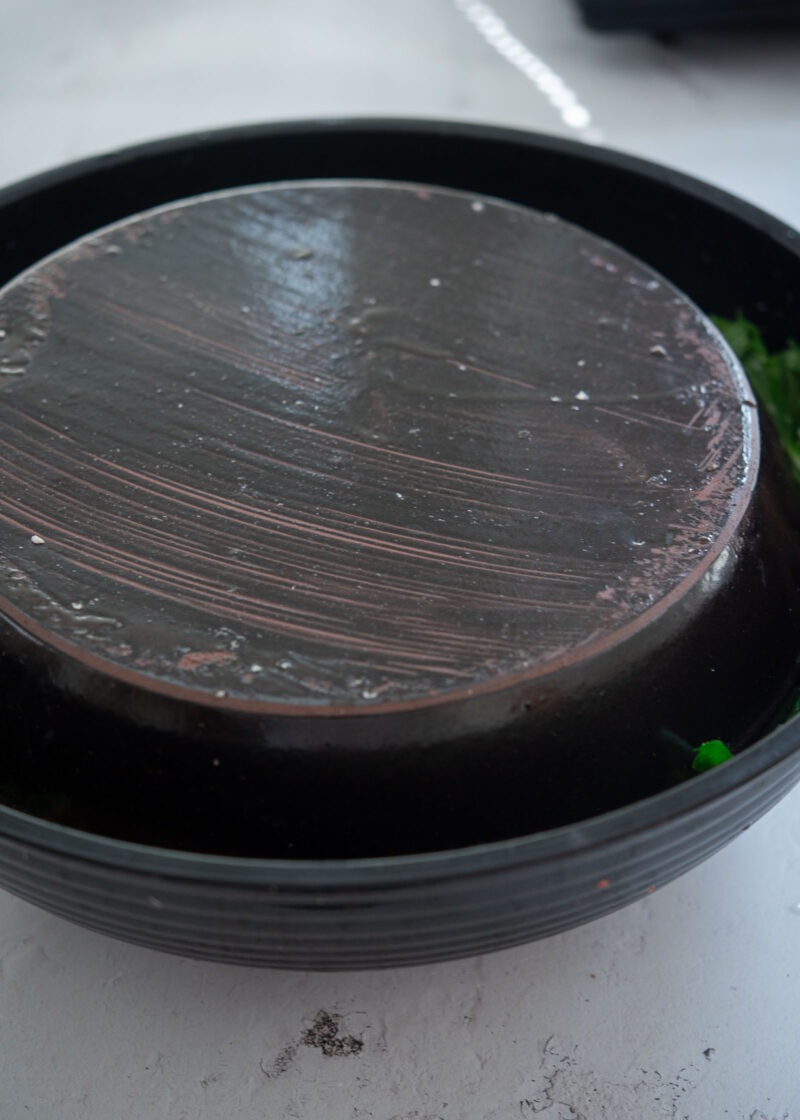
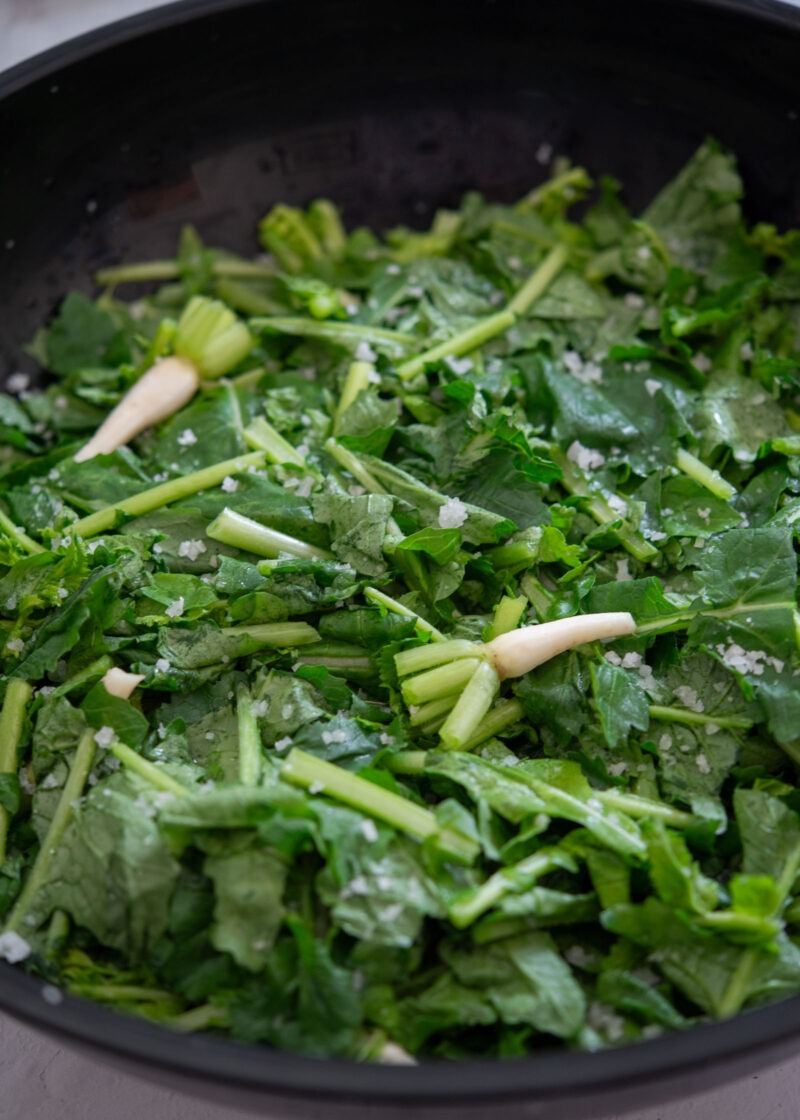
Place something heavy on top to help the greens wilt evenly. As the greens soften, flip once midway so everything wilts evenly. You want the stems flexible, not limp. Rinse gently in cold water and drain very well. Excess water can dilute the seasoning too early.
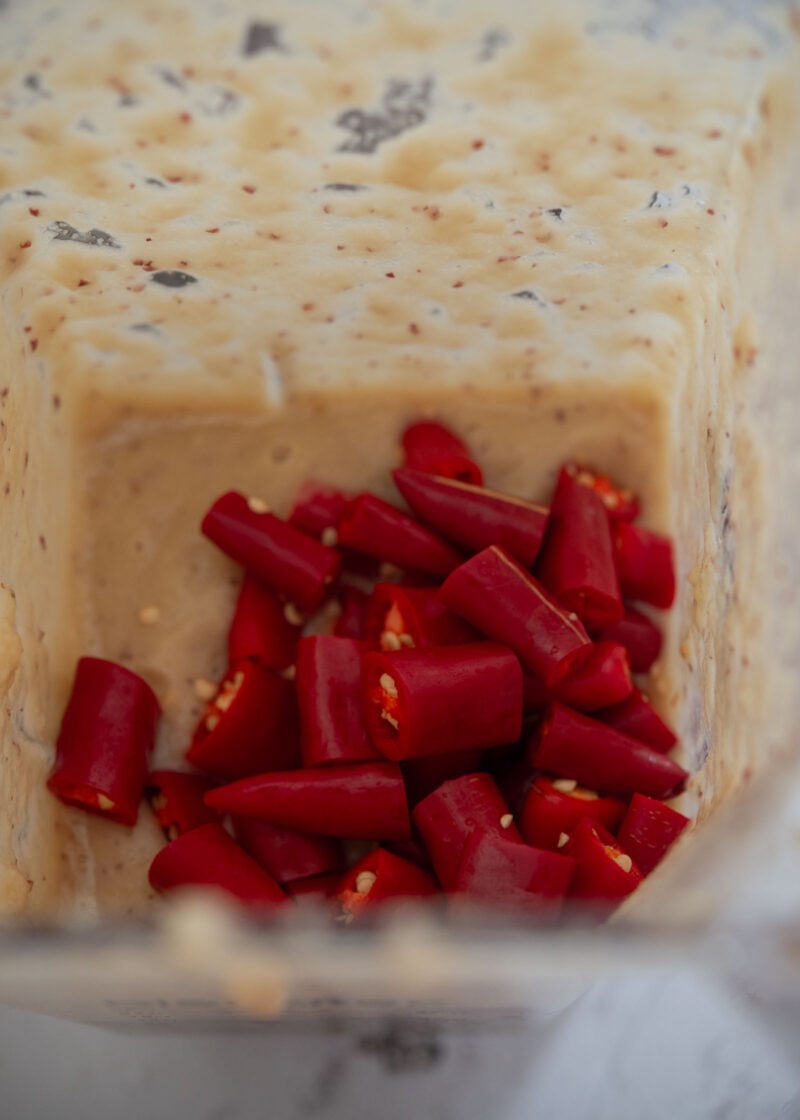
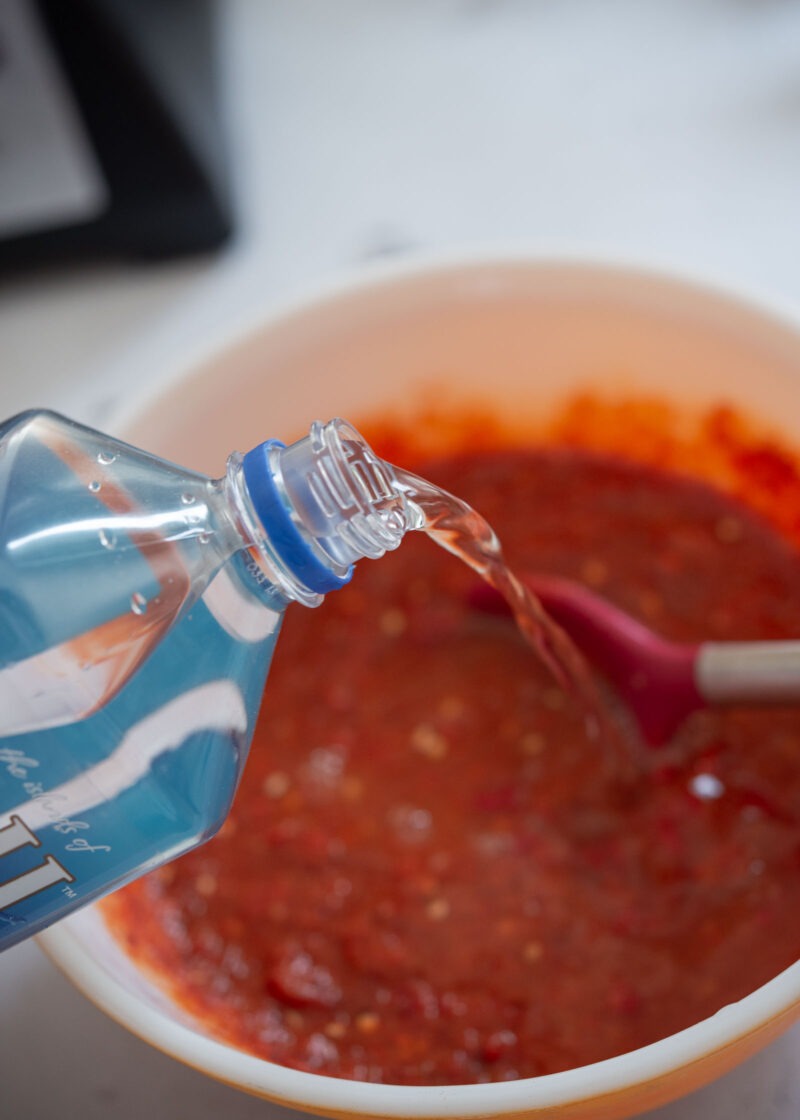
For the seasoning, blend aromatics and anchovy sauce until smooth. Add fresh red chilies last and pulse briefly so small pieces remain. That rough texture gives the kimchi a fresher summer look and brighter bite. Stir in gochugaru and enough water.
Hyegyoung’s Tip: For watery kimchi such as yeolmu kimchi and dongchimi (radish water kimchi), I often use artisan mineral water. In my experience, it produces a cleaner-tasting brine after fermentation than heavily chlorinated tap water.
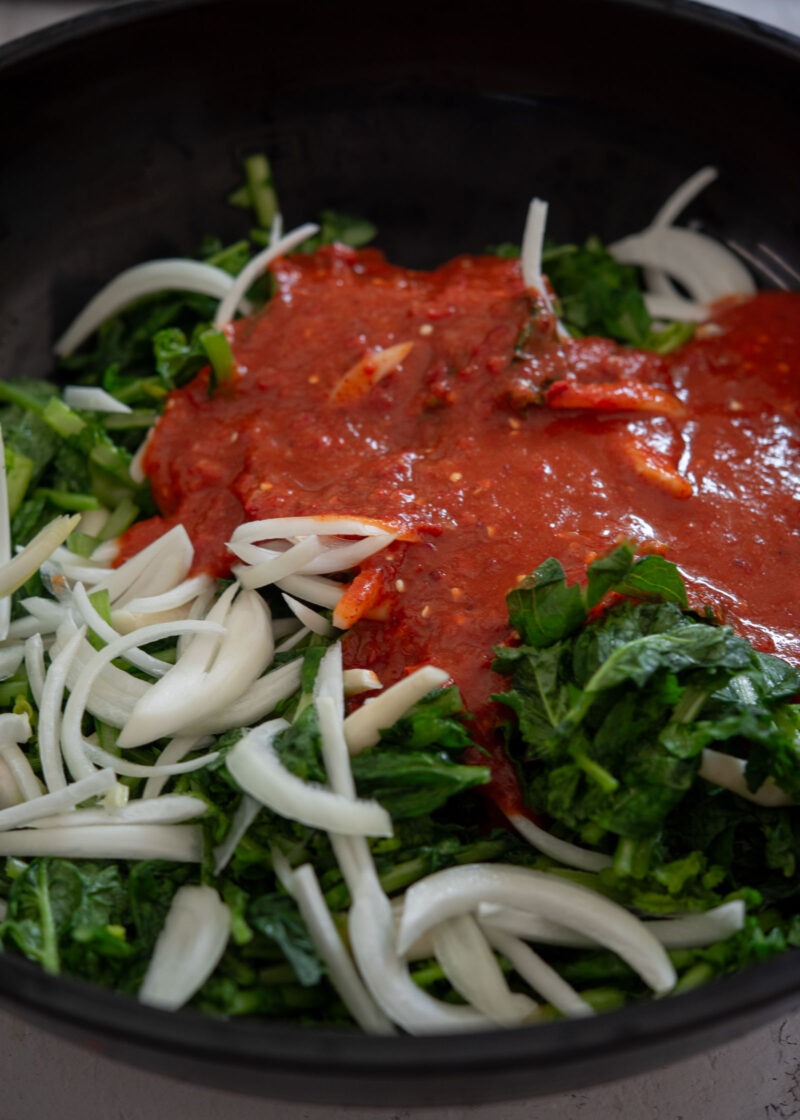
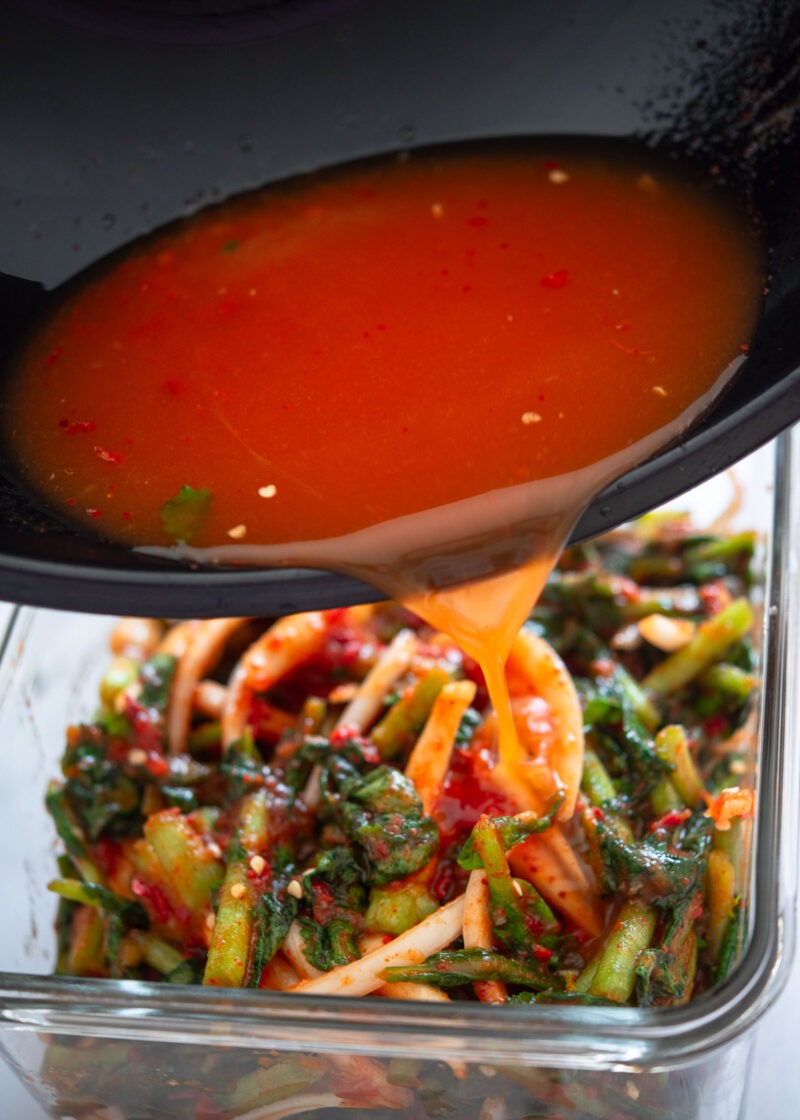
Combine the drained greens, sliced onion, and seasoning in a large bowl. Toss gently with your hands until evenly coated, taking care not to bruise the tender stems.
Note: In Korean cooking, rough handling can cause the greens to develop a raw grassy smell known as putnae (풋내), so a gentle touch goes a long way.
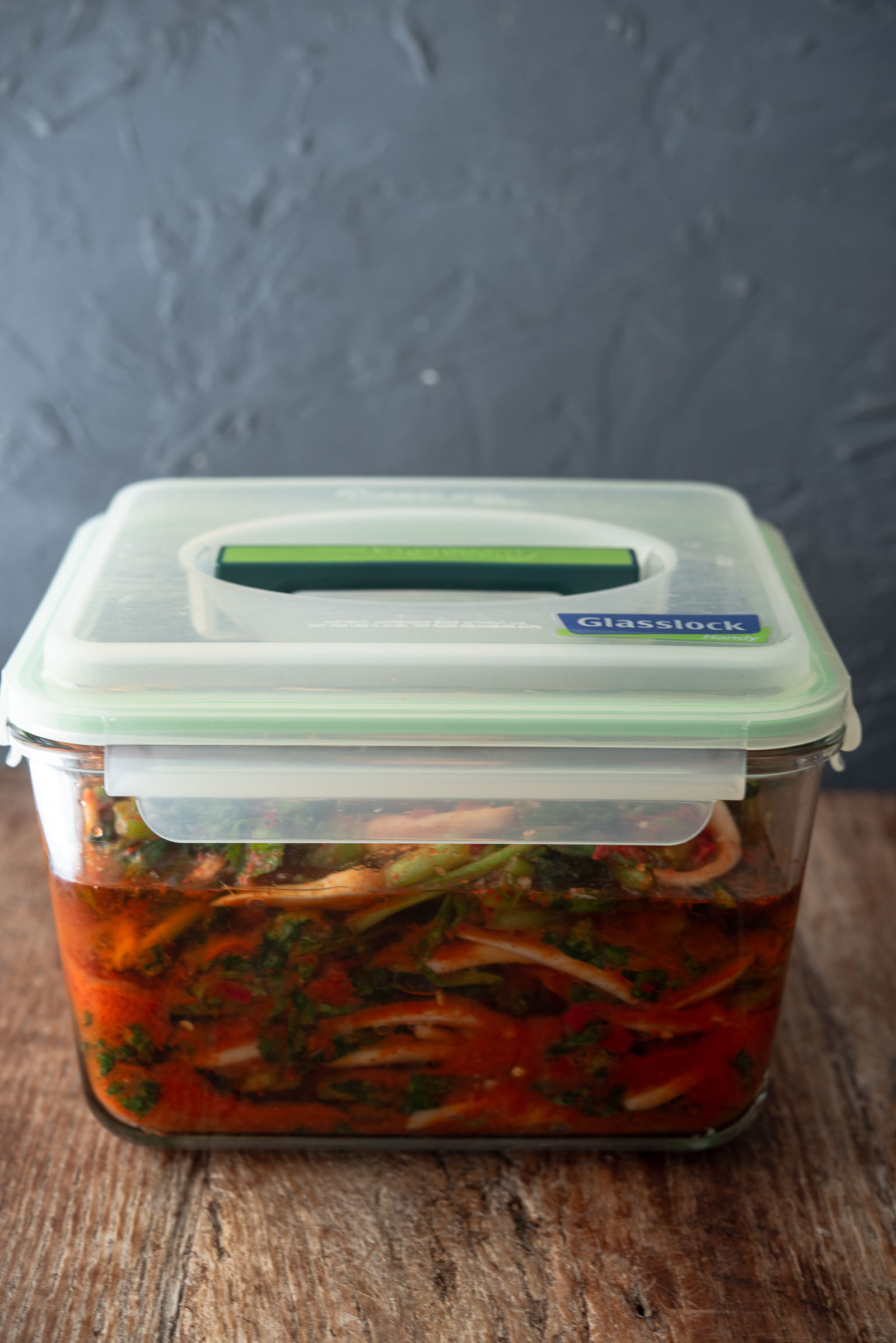
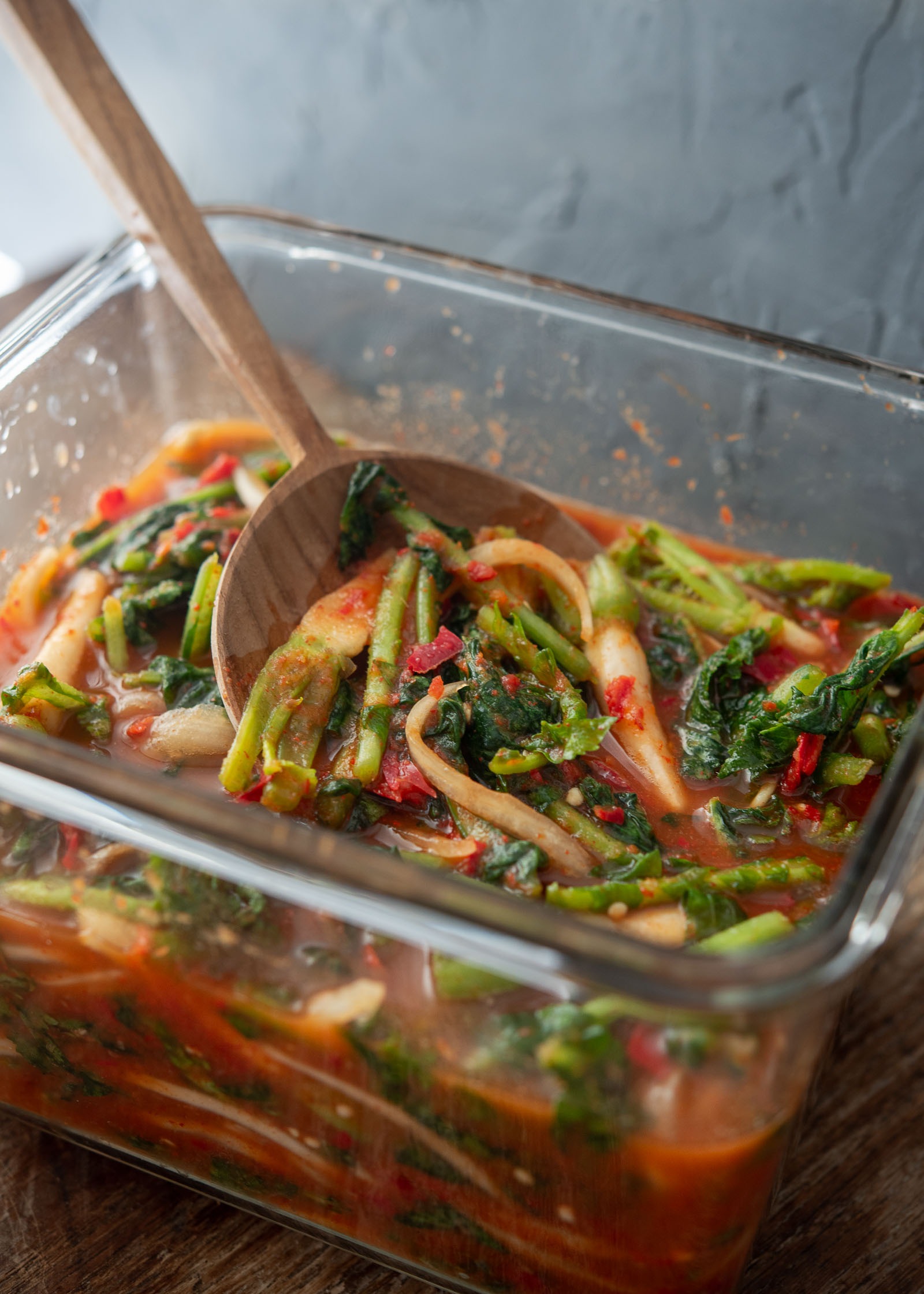
Pack kimchi into a jar or airtight container. Rinse the bowl with a little extra water and pour it over the kimchi so none of the seasoning goes to waste. This also helps create the refreshing brine that makes yeolmu kimchi so good in summer.
How to Ferment Yeolmu Kimchi in Summer
Yeolmu kimchi can be enjoyed fresh on the first day, but a short fermentation brings out its best flavor. The stems stay crisp, the greens mellow, and the juices turn lightly tangy.
In a warm summer kitchen, I usually leave the jar at room temperature for 1 to 2 days, depending on the temperature and how tangy I want the kimchi to become. Once it tastes pleasantly sharp and lively, move it to the refrigerator.
If you prefer a fresher taste, refrigerate sooner. If you enjoy more tang, leave it a bit longer before chilling. Time helps, but taste is the best guide. Check a small bite each day.
How to Serve It
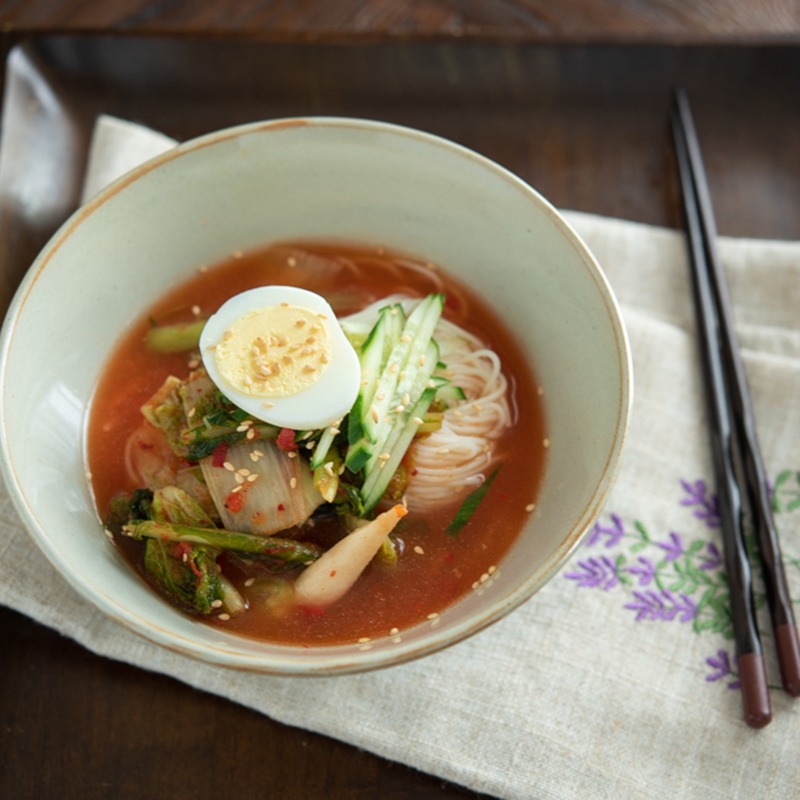
Yeolmu kimchi is one of the most versatile kimchi to have on hand during summer. Serve it cold as a side dish with grilled meat, simple rice meals, or any rich food that needs something crisp and refreshing on the table.
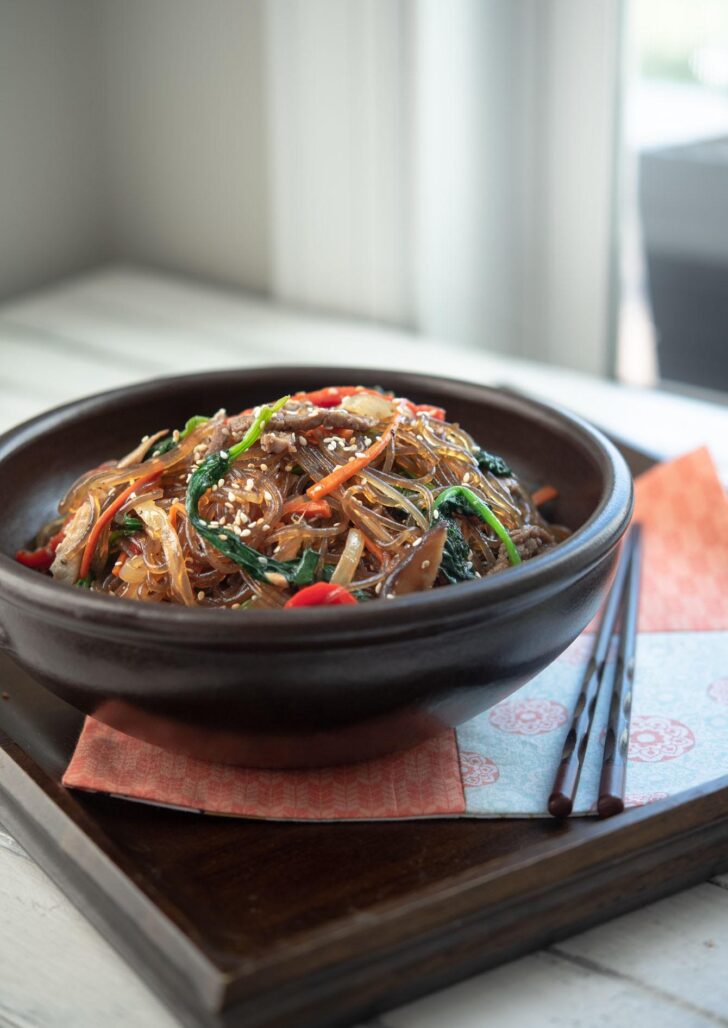
At home, we often spoon it over warm rice with a little sesame oil, or pile it onto cold noodles for an easy hot-weather meal. As the kimchi matures, the tangy juices become just as valuable.
Add a few spoonfuls to a simple bibimbap bowl, noodle bowls, or use the brine to brighten soups and sauces. It’s especially good alongside cold noodles such as kongguksu (soy milk noodles) or mul naengmyeon (cold noodle soup).
If you enjoy summer kimchi, try my cucumber kimchi (oi sobagi) next.
Yeolmu Kimchi (Summer Radish Green Kimchi)
Ingredients
Yeolmu (Young Radish Greens)
- 4.4 lb (2 kg) yeolmu (young radish green)
- ½ cup (100 g) Korean coarse sea salt
For kimchi seasoning
- ½ (3.5 oz / 100 g) large onion, diced
- ½ sweet red apple or Korean pear, peeled and diced
- 7 cloves garlic
- ¾ inch (15 g) ginger
- 2 tbsp (30 g cooked white rice, or cooked potato
- 3 tbsp (45 ml) Korean anchovy sauce
- 2 tbsp (30 g) salted shrimp (saewu jeot)
- 2 cup (480 ml) artesian water, divided
- 8 (3 oz / 85 g) fresh red chilies (finger long chili), diced
- 4 tbsp (24 g) Korean chili flakes (gochugaru)
Instructions
- Trim the yeolmu by scraping off any dirt on the roots and removing damaged leaves. Cut into 3-inch (7–8 cm) lengths, then rinse thoroughly in cold water.
- Place a layer of yeolmu in a large bowl and sprinkle with 2 tablespoons of Korean coarse sea salt. Repeat with the remaining yeolmu and salt. Place a weight on top and let sit for 45–60 minutes, flipping once halfway through, until the stems are flexible but not limp. Rinse the salted yeolmu gently in cold water 2–3 times and drain well.
- In a blender, combine onion, apple (or Korean pear), garlic, ginger, cooked rice (or potato), anchovy sauce, salted shrimp, and 1 cup of artisan water. Blend until smooth. Add the fresh red chilies and pulse a few times, leaving small pieces visible. Transfer to a large bowl and stir in the gochugaru and mineral water.
- Combine the drained yeolmu and sliced onion in a large mixing bowl. Add the seasoning and toss gently until evenly coated. Transfer the kimchi to a large airtight container or jar. Rinse the mixing bowl with the remaining water and pour it over the kimchi.
- Leave at room temperature for 1–2 days, or until lightly tangy, then refrigerate. Serve chilled as a side dish, with rice, noodles, or bibimbap.

Looks terrific! I love any and all versions of kimchi. 🙂