

Sulppang (Korean Makgeolli Bread)
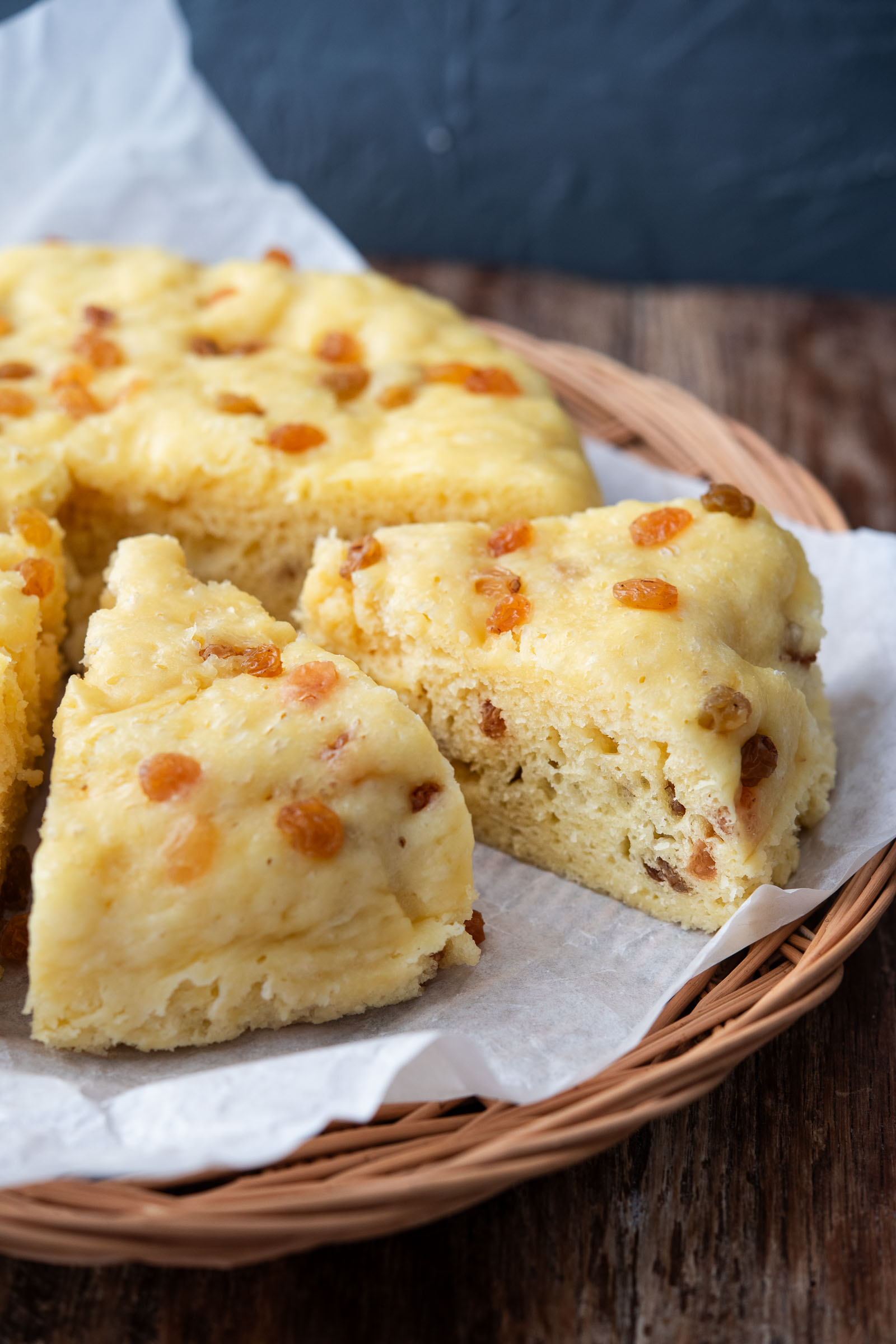
Soft, airy sulppang made with makgeolli (Korean rice wine) for a naturally light rise and gentle tang. This traditional Korean steamed bread gets a modern lift from fine cornmeal, creating a more flavorful, tender crumb perfect for a simple snack or breakfast.
Get new recipes via email:
I still remember walking through the local market with my mother, where large pots of sulppang (술빵) steamed away in the corner. The air was warm and slightly sweet, and she would always buy a few pieces for us to share as we wandered. It was soft, warm, and comforting. The kind of bread you don’t forget.
Sulppang is made with makgeolli, a lightly fermented Korean rice wine that acts as a natural leavening agent. It gives the bread its gentle rise and subtle tang.
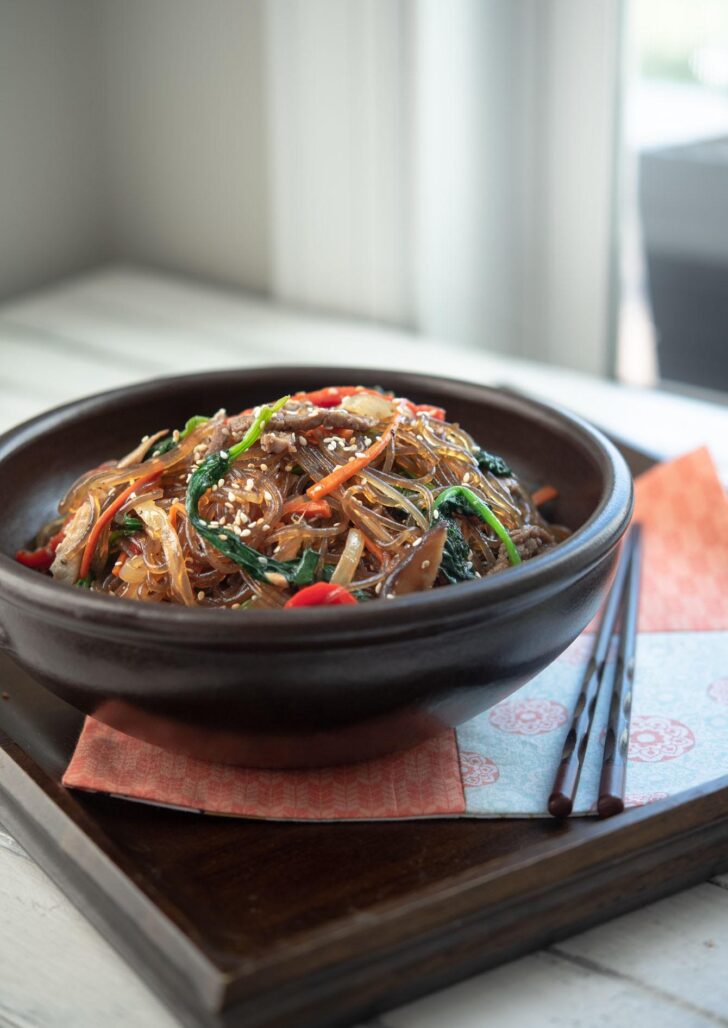
You won’t usually find this makgeolli bread in modern bakeries or dessert cafés. It’s a rustic market bread, often enjoyed alongside other traditional treats like my mugwort rice cake (ssuk beomuri), and soft steamed red bean buns (hoppang).
Traditionally, sulppang was made with just flour, makgeolli, and sugar, sometimes topped with beans. Very simple, but also quite plain by today’s standards. In my version, I keep the spirit of the original but adjust the texture and flavor slightly by adding corn flour and raisins. The result is softer, more fragrant, and much more satisfying.
While some recipes bake it, I firmly prefer steaming. It produces a moist, tender crumb that baking simply can’t replicate. Fresh out of the pot, warm and lightly sweet, it’s one of those breads that feels both simple but deeply satisfying.
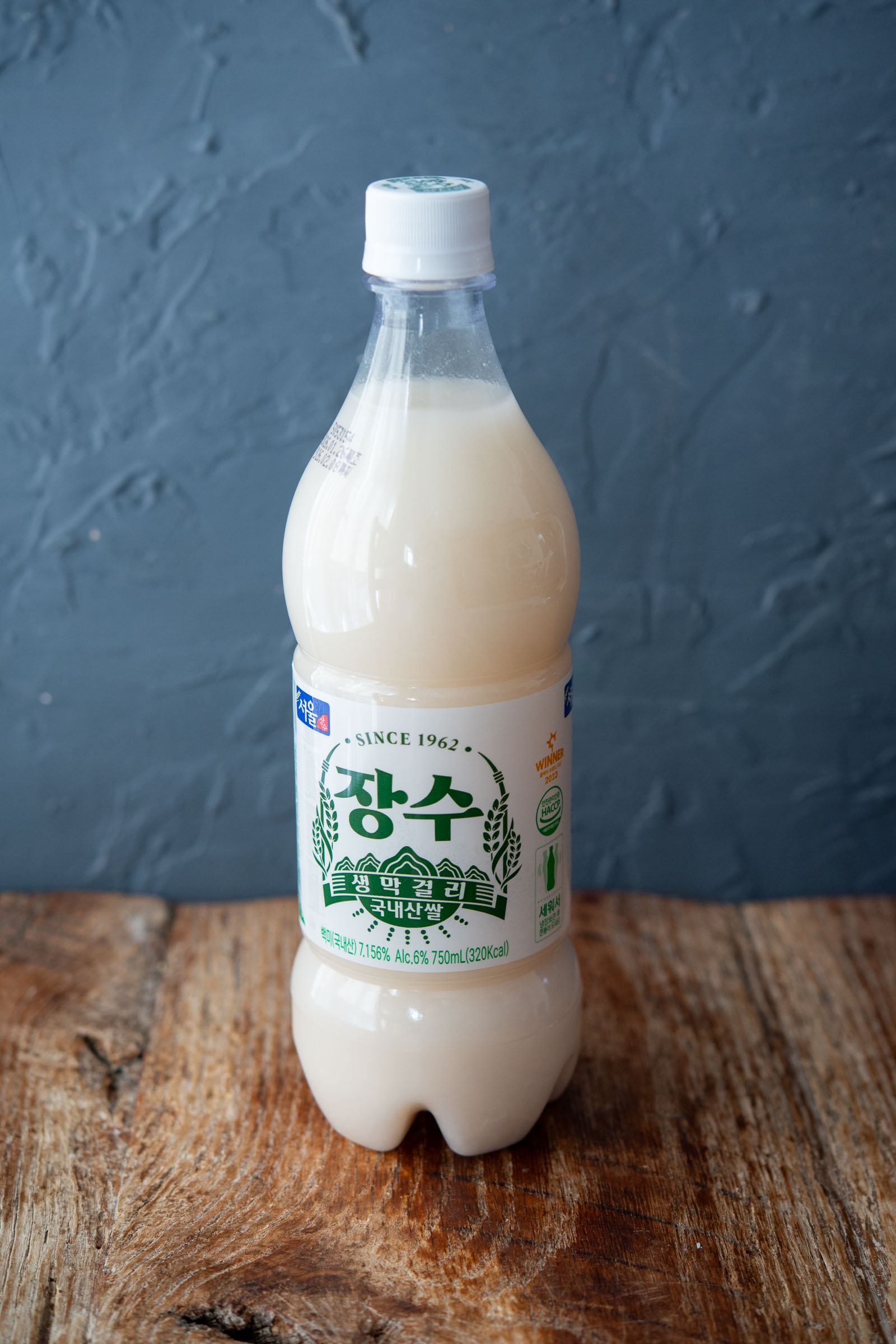
The Role of Makgeolli in Sulppang
Makgeolli is not just for flavor. It is the leavening. The natural yeast and gentle fermentation give sulppang its lift, soft crumb, and light tang.
Fresh vs. pasteurized makgeolli
If you can, use fresh, unpasteurized makgeolli (saeng-makgeolli, 생막걸리). It contains active yeast, so the batter rises more easily and produces a lighter texture.
Choose a bottle that feels fresh and slightly carbonated. Give it a gentle shake. It should look cloudy and lively, not flat. Avoid bottles that have been open for several days.
When you’re using pasteurized makgeolli
Most store-bought makgeolli is pasteurized. The natural yeast is no longer active, so the rise is weaker and slower. On its own, it often produces a denser bread.
To get a similar result, I add a small amount of instant yeast to support the batter.
- It replaces the lost yeast activity
- Helps the batter rise in a predictable time
- Keeps the crumb soft instead of dense
I use a small amount of yeast even with fresh makgeolli, but when using pasteurized, you will need slightly more to achieve the same lift.
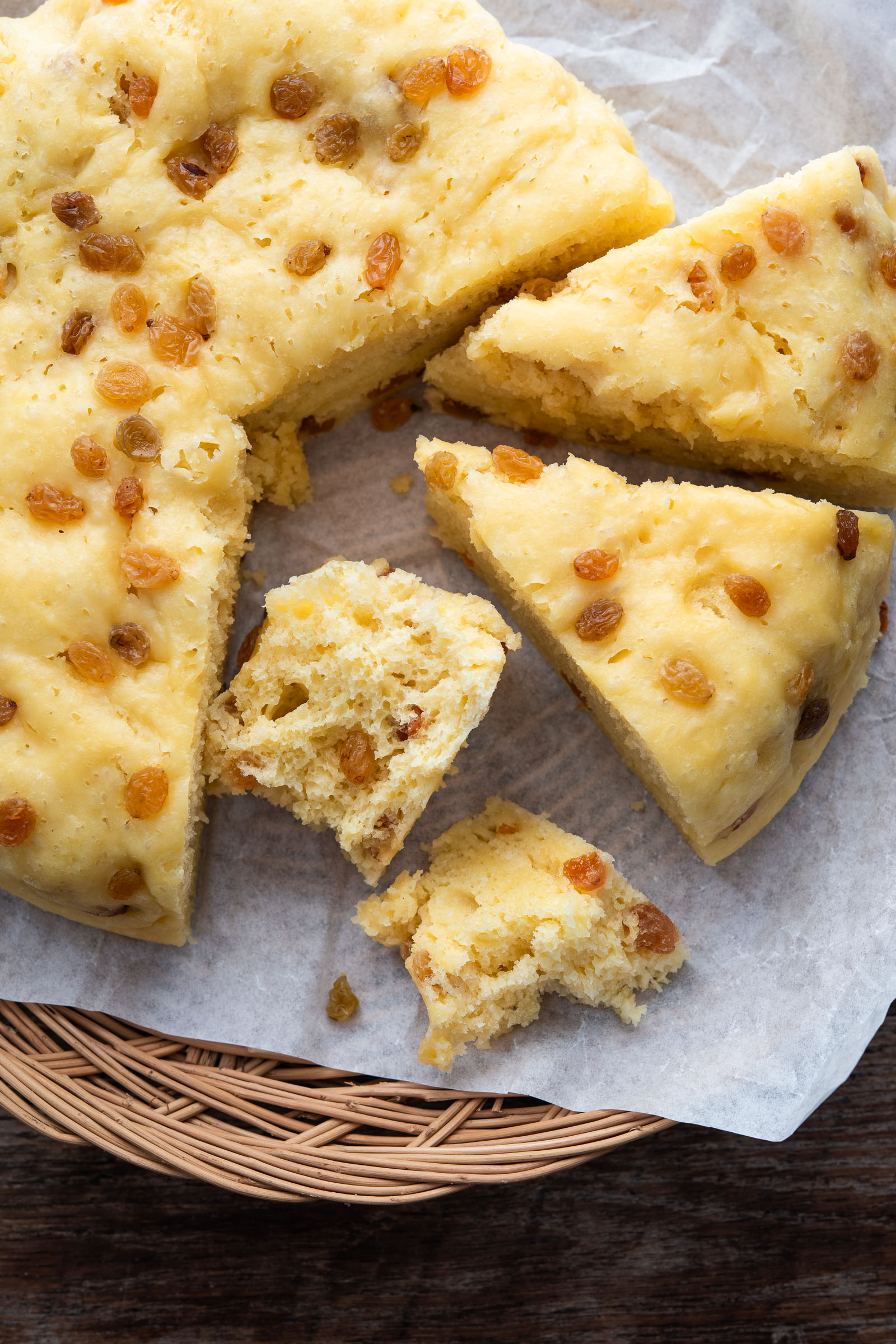
Getting That Soft, Airy Crumb (Key Texture Tips)
A good sulppang should feel light, moist, and gently springy. Most texture issues come down to batter consistency, fermentation, and heat control.
Get the batter consistency right: This is the most important step. The batter should be thick but pourable, similar to a soft muffin batter. If it’s too thick, the bread turns dense. If it’s too thin, it won’t hold structure.
Mix just until combined: Overmixing makes the crumb tight. You don’t need to develop gluten here.
Watch the batter, not the clock: Proofing time can vary depending on your makgeolli and room temperature. Instead of relying on time, look for signs:
- small bubbles forming on the surface
- a slight increase in volume
- When you lift the risen batter, it should stretch slightly with a web-like, airy texture, not fall flat.
Use steam for the best texture: Traditional sulppang is steamed, and for good reason. Steaming creates a moist, tender crumb that baking can’t fully replicate. Baking tends to dry the surface and produces a firmer texture. I always choose steaming for the softest result.
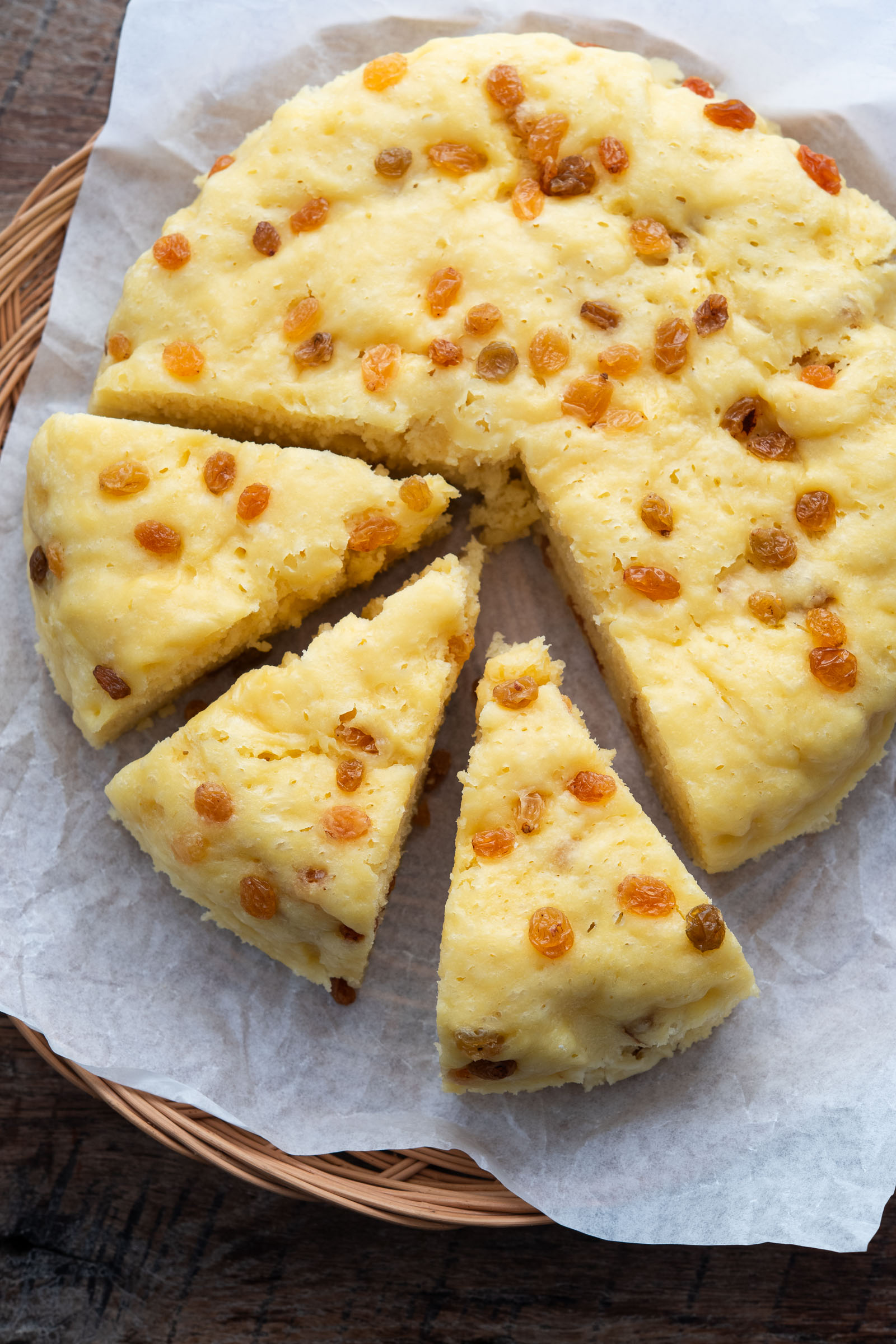
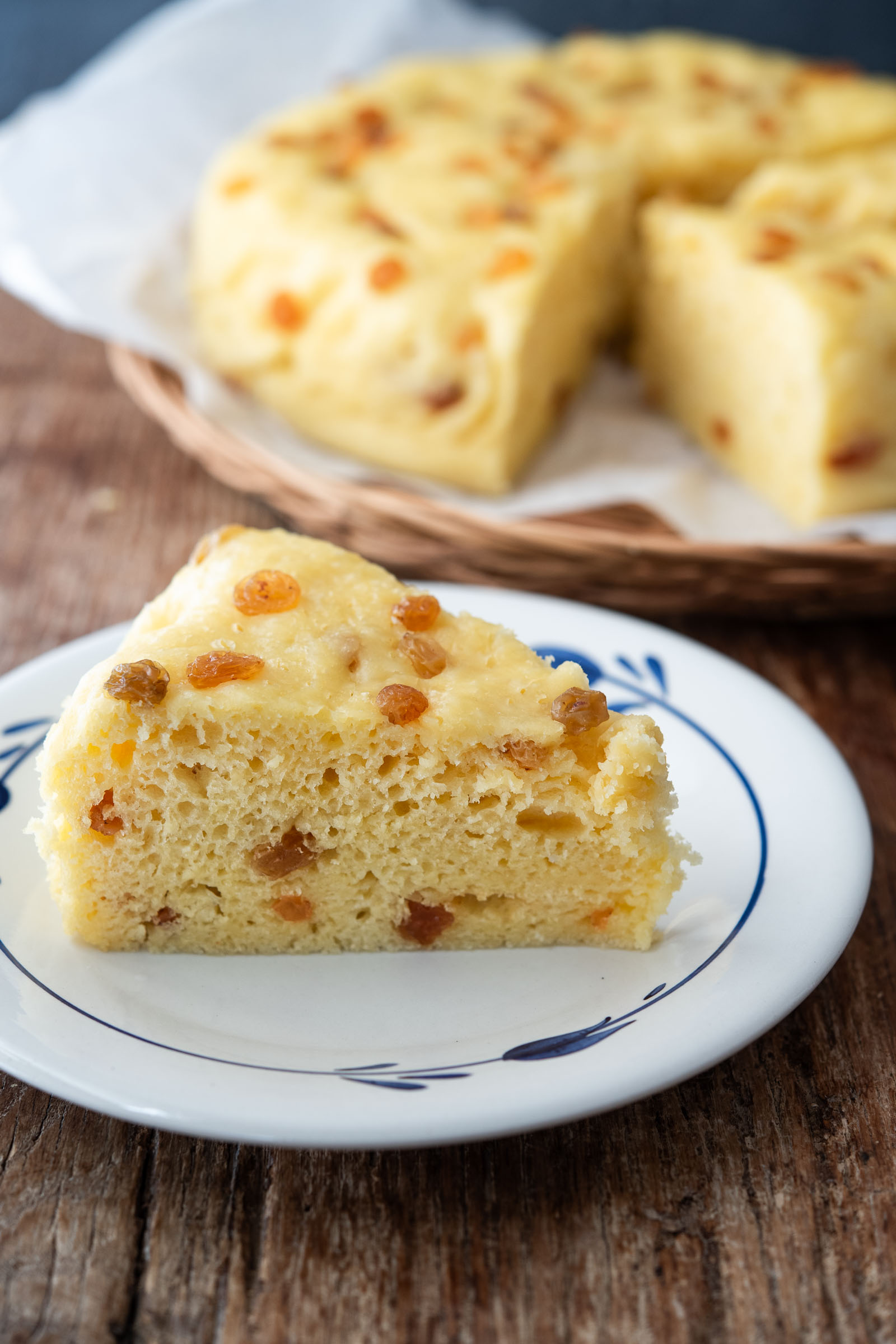
When sliced, the bread should show small airy holes throughout the crumb. That’s a sign the batter fermented well and steamed properly.
A small trick for extra softness (optional): A pinch of baking powder gives extra lift and a softer crumb. It is helpful if your makgeolli is less active.
How I Make Sulppang (Step-by-Step Guide)
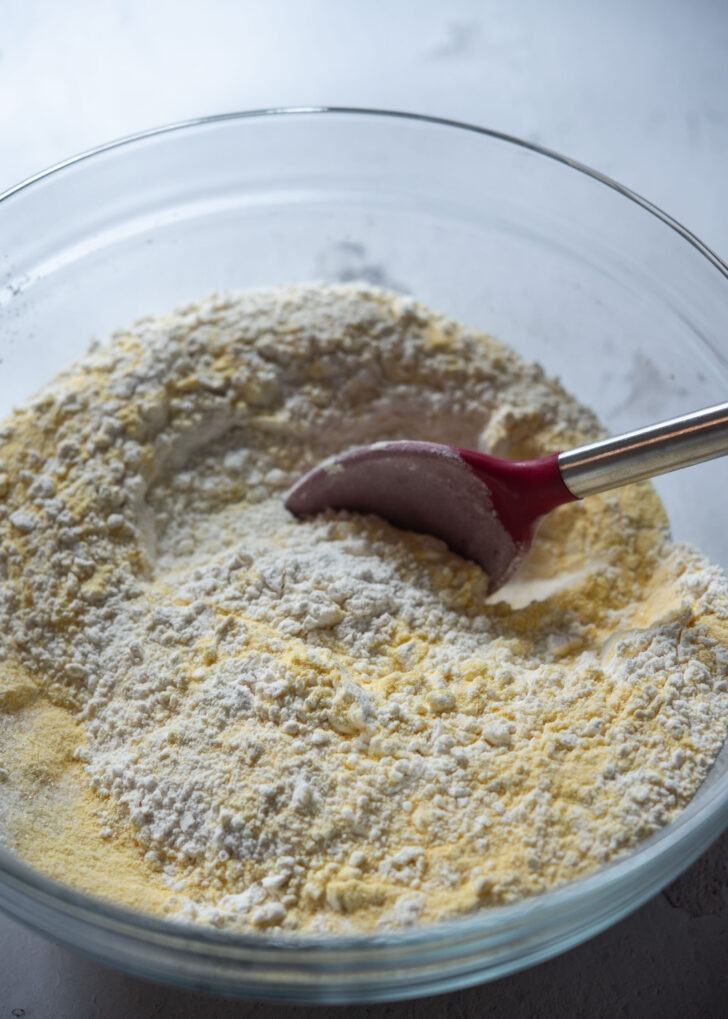
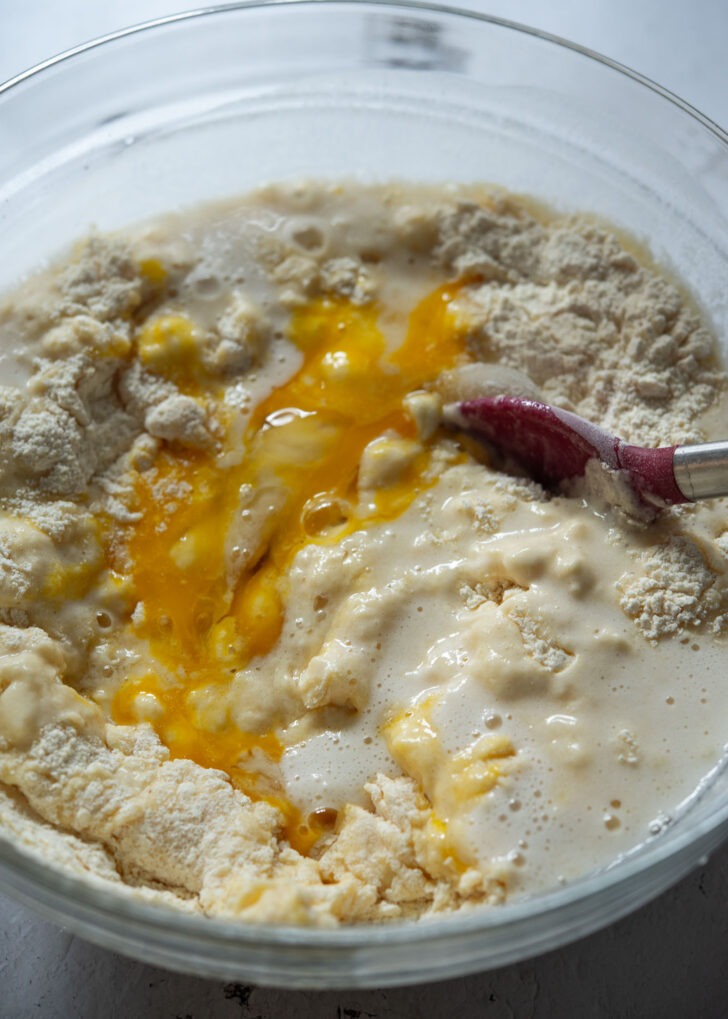
Mix the dry ingredients first so the yeast is evenly distributed. Gently shake the makgeolli to lift the sediment, then add it with the eggs and mix until smooth. You should see a thick, pourable batter that holds its shape briefly before falling. That texture gives you a soft, even crumb.
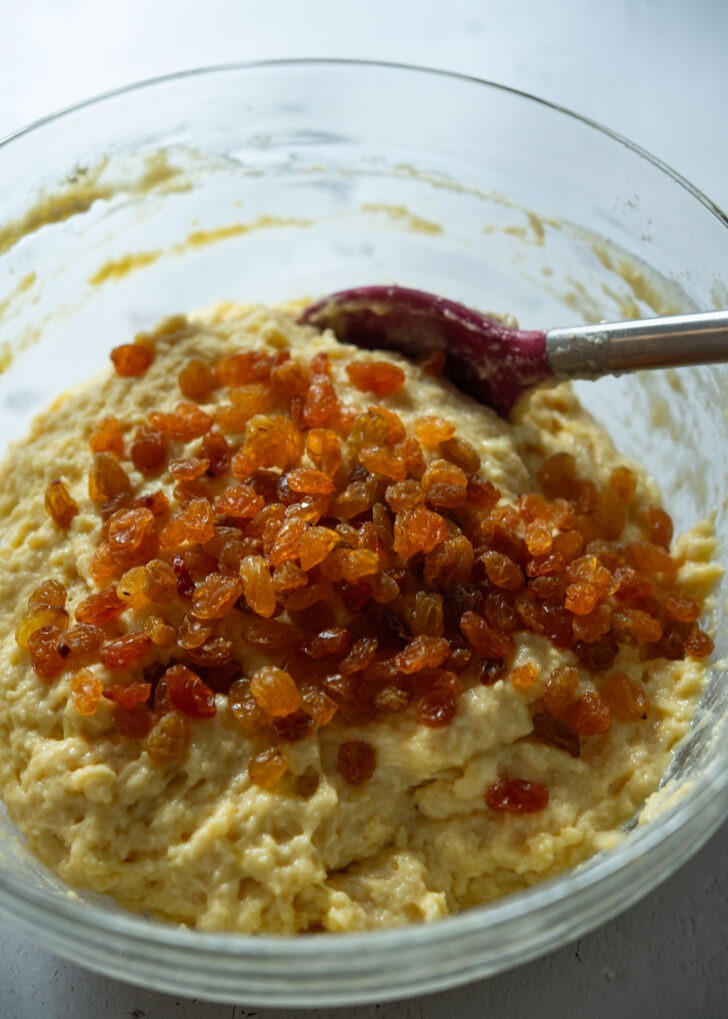
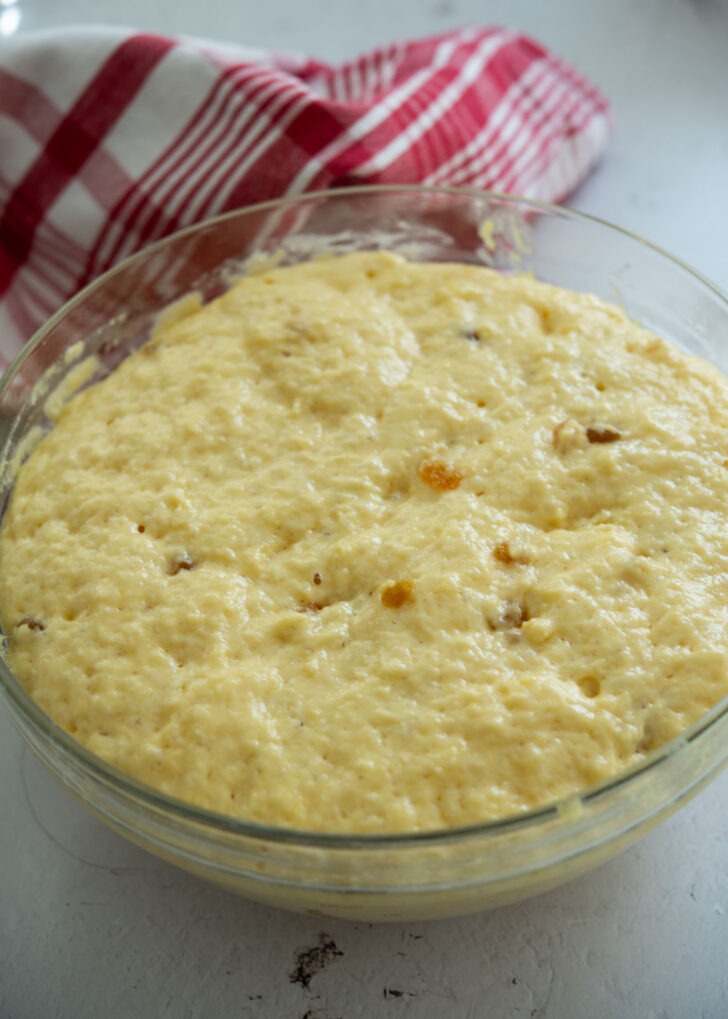
Fold in the raisins. Cover and let it rise in a warm place. I use a turned-off oven with a bowl of hot water. The batter is ready when it looks slightly puffed with small bubbles.
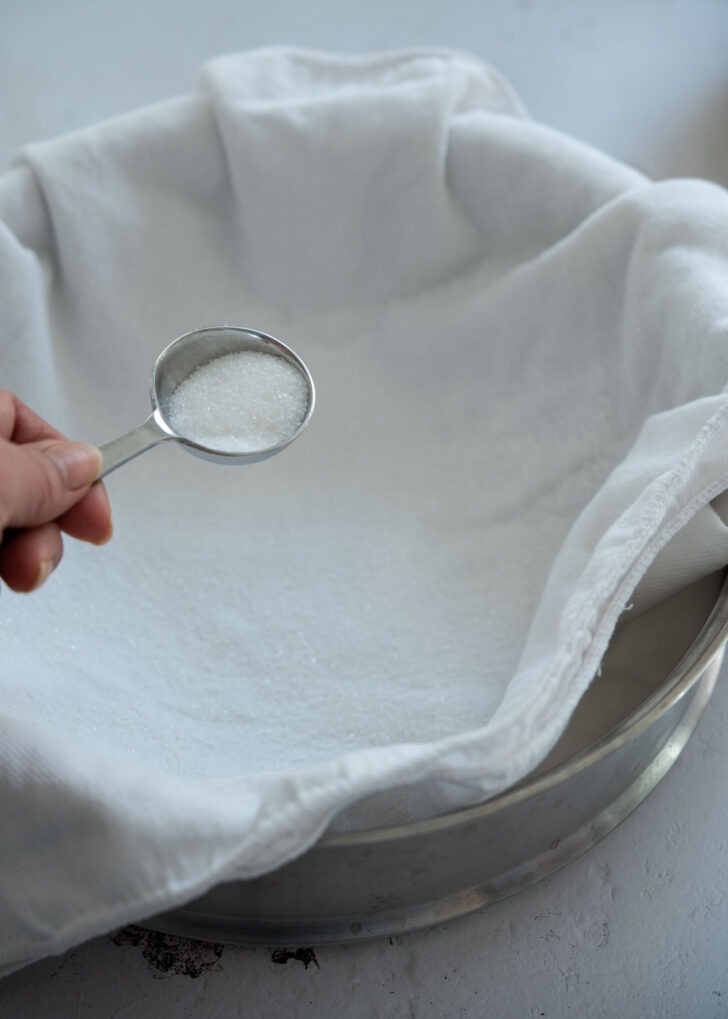
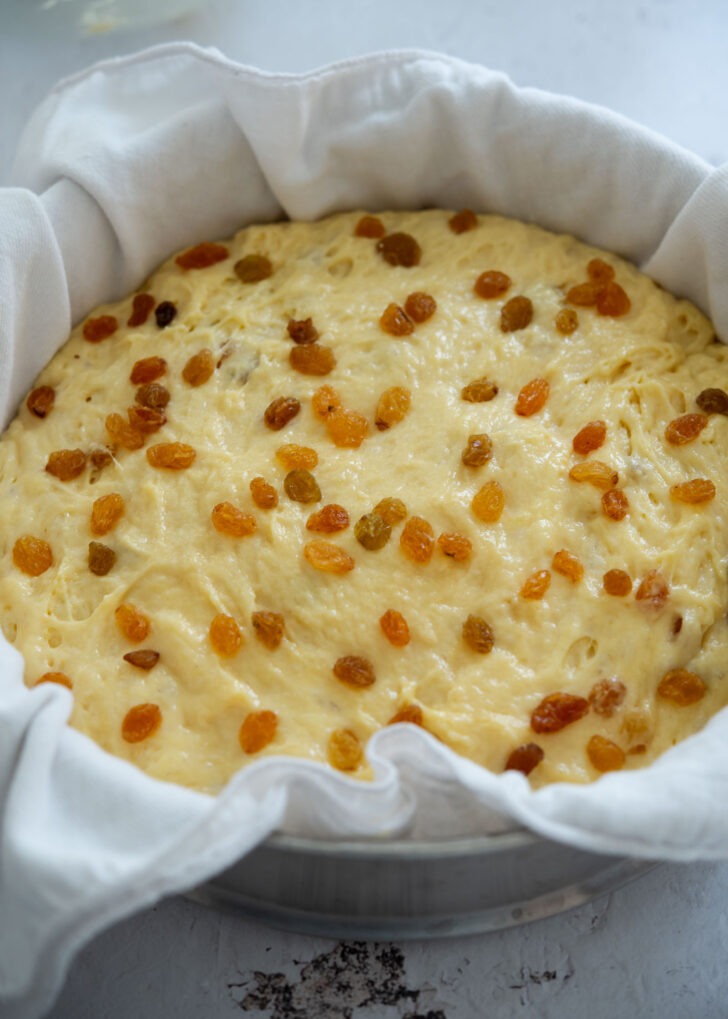
For steaming, line the basket with a damp cloth and sprinkle a little sugar to prevent sticking. Pour in the batter and steam over boiling water. Once set, let it cool briefly, then peel off the cloth and slice while warm.
Flavor Variations
- Raisins: This is my go-to. They add gentle sweetness and keep the crumb moist. It’s the version I make most often.
- Sweet beans (traditional style): In Korea, sulppang is often topped with cooked kidney beans or peas. I prefer raisins for a softer texture, while beans give a more traditional market-style flavor.
- Nuts or seeds: Chopped walnuts or sunflower seeds add a light crunch. Use a small amount so the bread stays soft.
- Adjust the sweetness: For a snack-style bread, keep it lightly sweet. For a more dessert-like version, add a bit more sugar or extra raisins.
Common Mistakes That Make Sulppang Dense or Flat
If your sulppang turns out dense, it’s usually one of these:
- flat makgeolli with no active bubbles
- batter too thick to trap air
- not enough rise before steaming
- condensation dripping during steaming
Most of these are easy to fix once you know what to look for. If you grew up loving these soft, simple market treats, you’ll find more in my Korean sweet treats collection.
Love this recipe? Rate it and share your experience in the comments below! On Instagram? Tag me to showcase your creation. For more delicious recipes, subscribe to our newsletter!
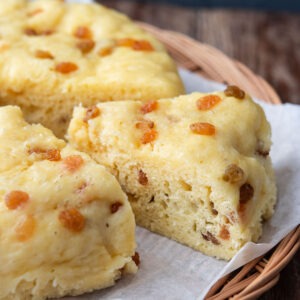
Sulppang (Korean Makgeolli Bread)
Recipe Video
Ingredients
- 3¼ cup (400 g) all-purpose flour
- 1 cup (160 g) fine cornmeal
- 1 cup (200 g) sugar
- 2 tsp (6 g) instant yeast, see note below
- 1 tsp (5 g) baking powder, optional
- 1 tsp (5 g) kosher salt
- 1¾ cups (430 ml) fresh makgeolli (Korean rice wine), room temperature, see note below
- 4 large eggs, room temperature
- ½ cup (75 g) raisins, plus more for topping
Instructions
- Combine dry ingredients: Add flour, cornmeal, sugar, yeast, baking powder (if using), and salt to a bowl. Mix well.
- Add liquids: Gently shake the makgeolli to mix in the settled yeast, measure the recipe amount then pour into the bowl with the eggs. Stir until smooth. Add more if the batter seems too thick.
- Finish the batter: Fold in the raisins. The batter should be thick and pourable.
- Let it rest: Cover and leave in a warm place until slightly puffy with small bubbles, about 1-2 hours
- Steam: Line a steamer basket with a damp cloth and lightly sprinkle sugar. Pour in the batter and place over boiling water. Steam on medium heat for 20–25 minutes until set.
- Cool and slice: Let it rest briefly, then remove, slice, and serve warm.
Notes
If using pasteurized makgeolli, increase the instant yeast to double the amount for a reliable rise. If using fresh (unpasteurized) makgeolli, you can reduce or skip the yeast. The batter will still rise, but it may take 3–4 hours.
This sounds really yummy. Saddly I’m in an area that is very difficult to find very specific ingredients like the makgeolli this recipe calls for. Is it possible to substitute saki and double the yeast like you say to do for the pasteurized makgeolli? I’m sure that it would change the flavor some, but if it would work I’d still like to try it.
I haven’t tested it with sake, but I’d try a mild beer, such as a lager or wheat beer, instead. It has a similar fermented, yeasty character to makgeolli, though the bread will be less sweet and won’t taste exactly like traditional sulppang. I’d also use the full amount of yeast called for in the recipe. If you give it a try, let me know how it turns out!
Thanks! I’ll definitely give that a try! It might be a couple of months though. I have to spread things like this out for health reasons and I have 2 cakes lined up right now for family. LOL
Hello, Holly,
This recipe looks yummy and I’d like to try it. What kind of steamer basket do you use and what size is it?
Thank you very much,
Christina
Thank you! I use a 28 cm (about 11-inch) steamer basket. Any steamer of a similar size should work well for this recipe. I hope you enjoy the sulppang if you give it a try!
This bread sounds lovely. I happen to have celiac and can’t use wheat products. Do you have a suggestion for gluten free?
Thank you! You may be able to use rice flour in place of the wheat flour, but the texture will be quite different. Traditional sulppang made with rice flour tends to be a bit denser and less bread-like. If you need it to be gluten-free, I’d suggest experimenting with a rice flour version rather than a direct gluten-free flour blend. I’d love to hear how it turns out if you give it a try!
Thank you for your response 😊. I was finally able to get my hands on some makgeolli but now I’m reading that one of the ingredients (nuruk) is not always gluten free. I purchased the Kooksoondang Rice Makgeolli and from what I read online it should be safe. Hoping to try this soon!
Hi Holly!
What do the eggs do in this recipe? I noticed not all sulppang recipes use eggs.
Thank you in advance!
Good question! The eggs help create a softer texture, add a richer flavor, provide extra protein, and give the bread a deeper yellow tint. Sulppang recipes vary, but I like the results that eggs bring to the bread.