

Jeonbokjuk (Korean Abalone Porridge with Fresh Abalone)
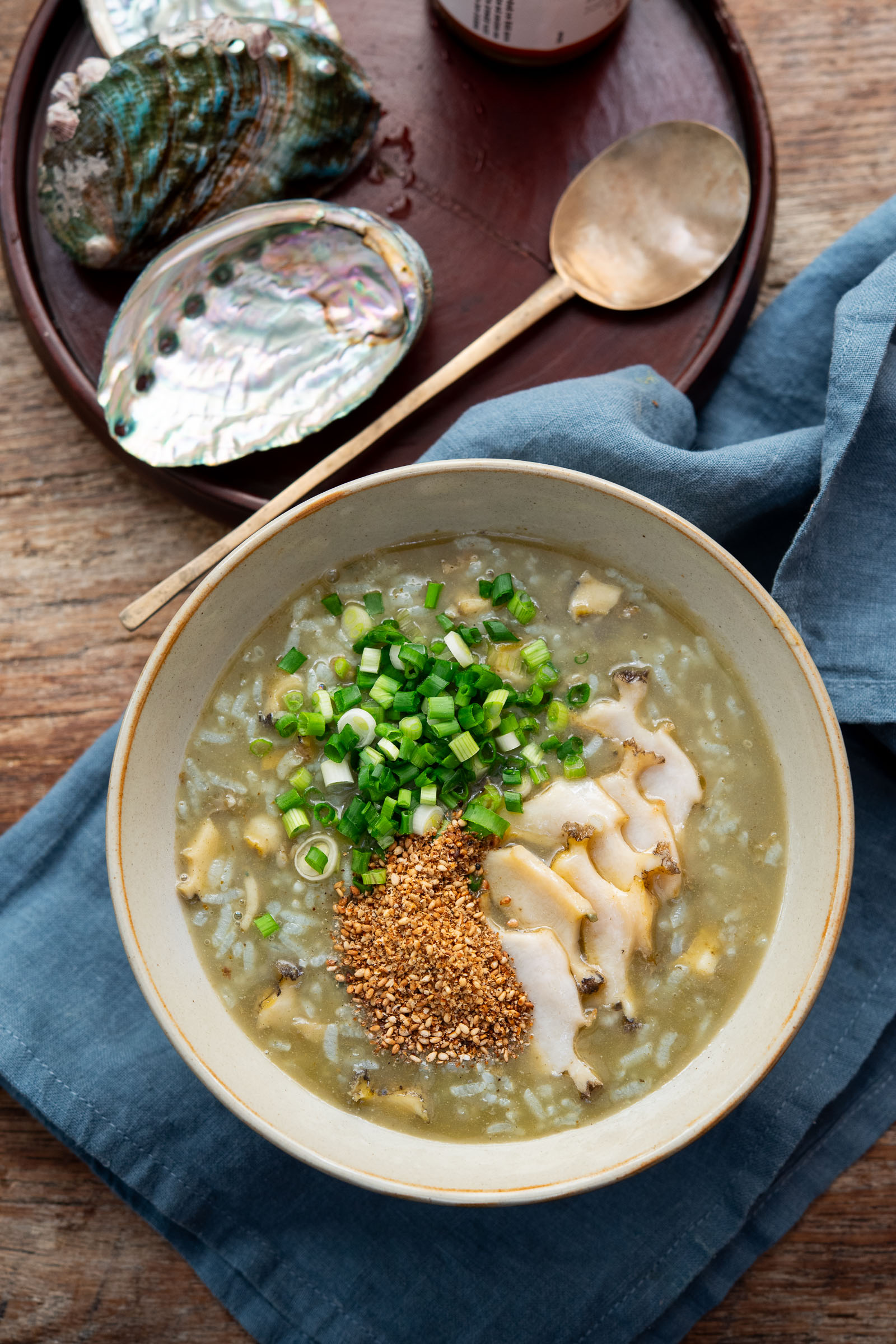
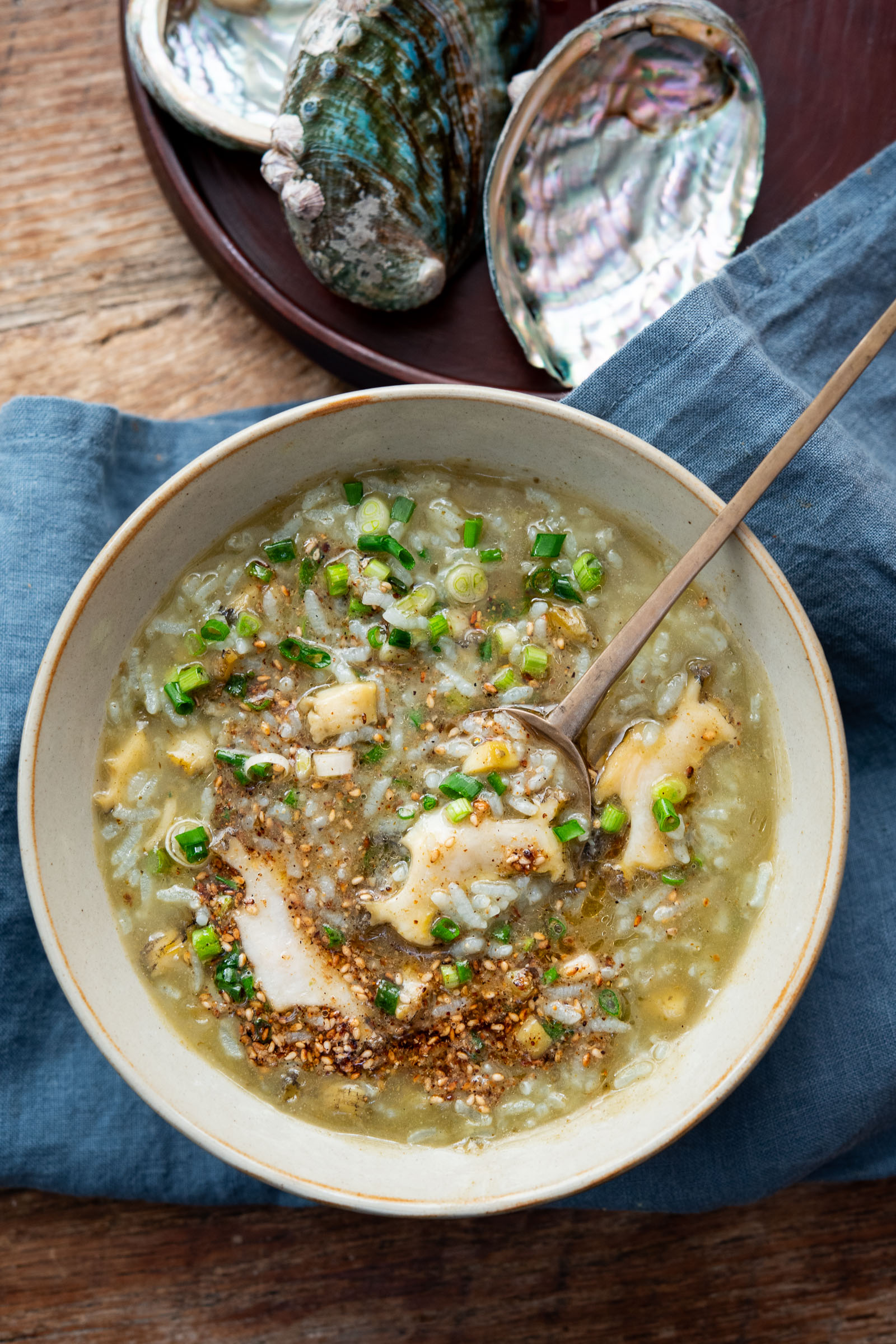
Jeonbokjuk is a comforting Korean abalone porridge made with fresh abalone, leftover rice, and a light savory broth. This easy stovetop method comes together in about 25 minutes and delivers a silky, nourishing bowl perfect for breakfast, a gentle meal, or when you need something warm and restorative.
Get new recipes via email:
If I had to choose just one porridge, it would be jeonbokjuk (전복죽), Korean abalone porridge. It’s a quiet bowl that doesn’t try to impress at first glance, but one spoonful reveals a gentle ocean flavor and silky texture that feels deeply comforting, almost like the sea itself is taking care of you.
In Korea, it’s often made for someone who needs a little extra care, much like my ginseng chicken soup that’s known for its restorative, nourishing qualities. I grew up watching my mother prepare this porridge and deliver it warm to those who needed something easy to eat and comforting.
If you can find fresh abalone at a fish market or Korean grocery, this is worth making at home. I’ll walk you through how to clean and prepare it, then show you my quicker method using leftover rice so you can make authentic jeonbokjuk without the long cooking time. No rice-soaking required!
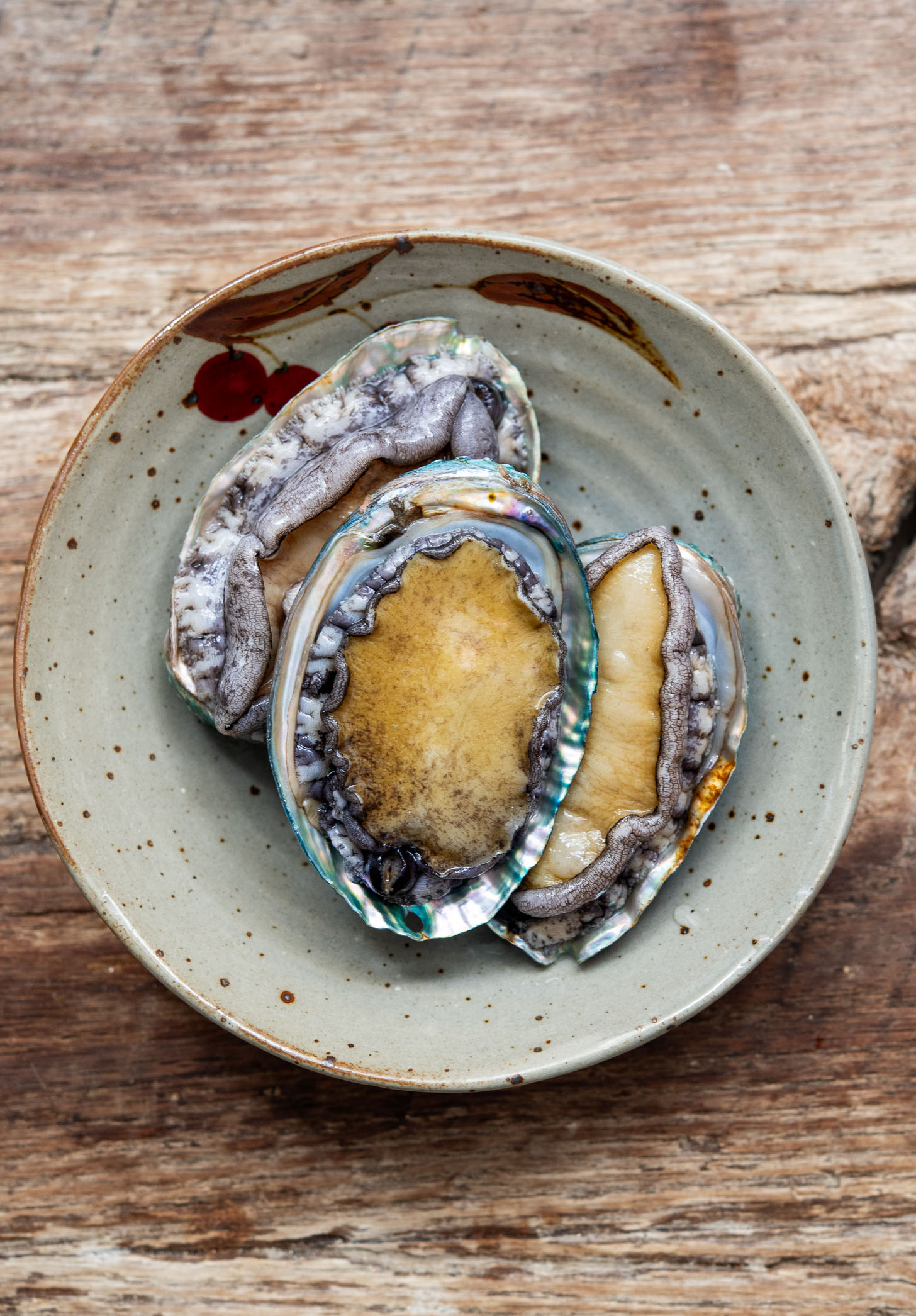
How to Clean Fresh Abalone (Step-by-Step)
Cleaning abalone may look intimidating, but it’s actually quite simple once you try it.
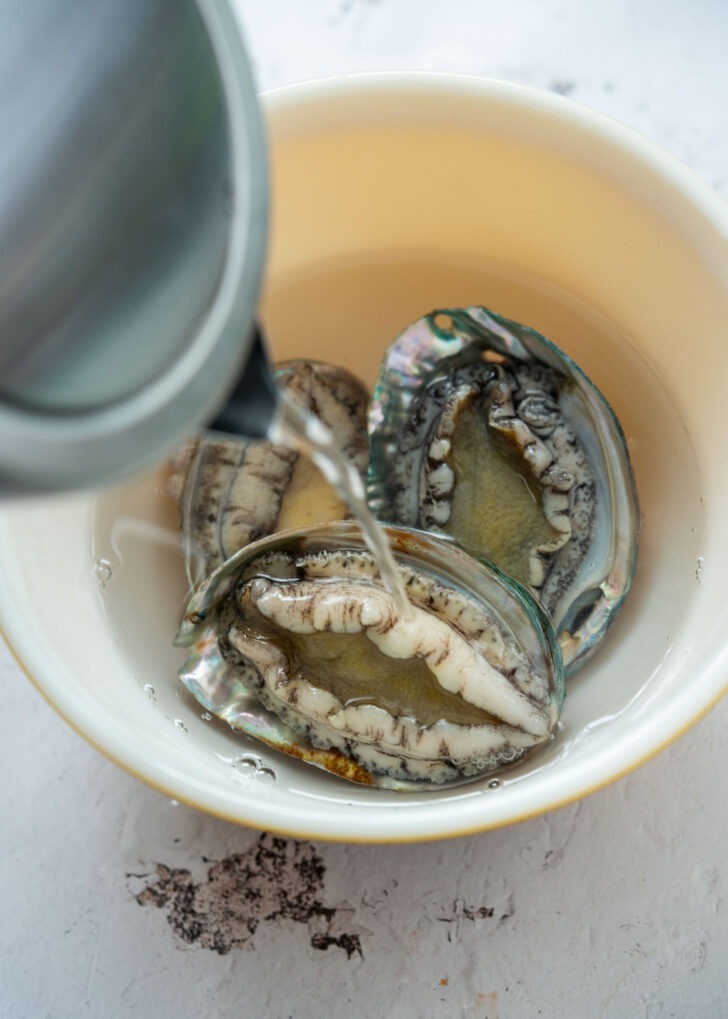
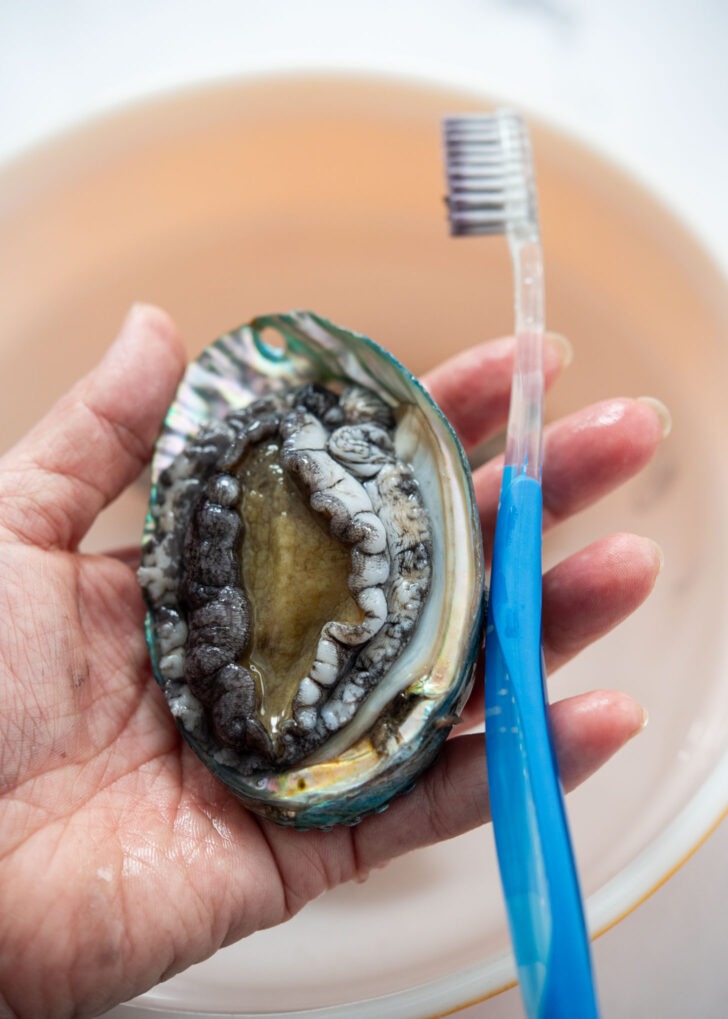
Start by pouring hot water over fresh abalone and let them soak for 2-3 minutes. You’ll feel the flesh relax slightly, making it easier to slide a spoon underneath. Scrub the lips of the abalone under running water using a brush. I like to use a toothbrush. As you scrub, you’ll see the gray surface turn white as the grit washes away.
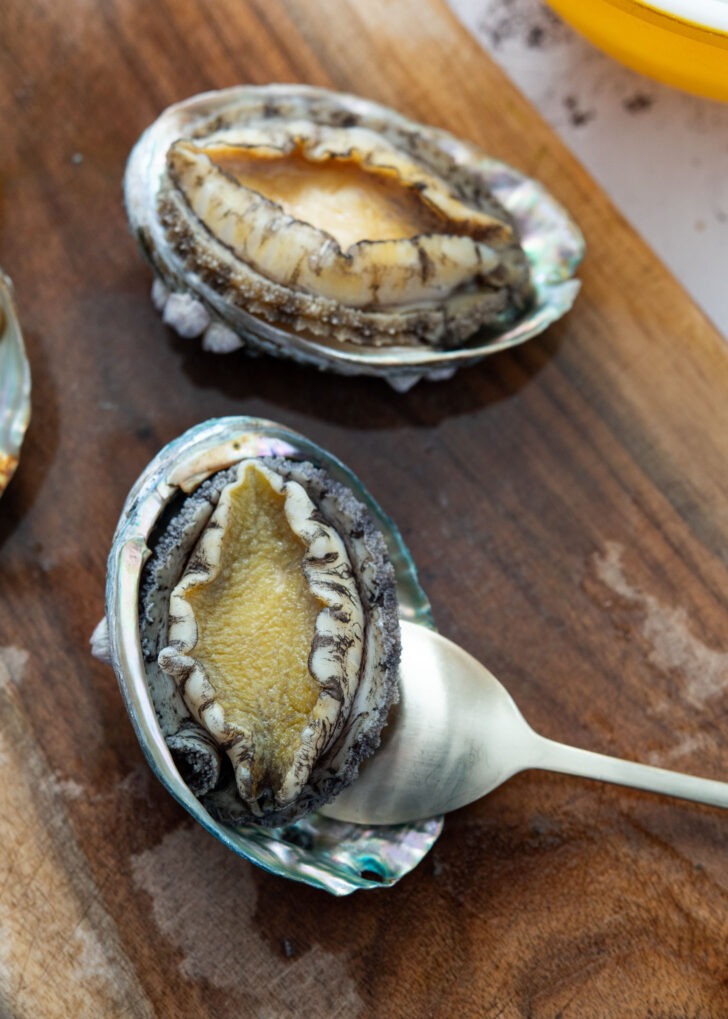
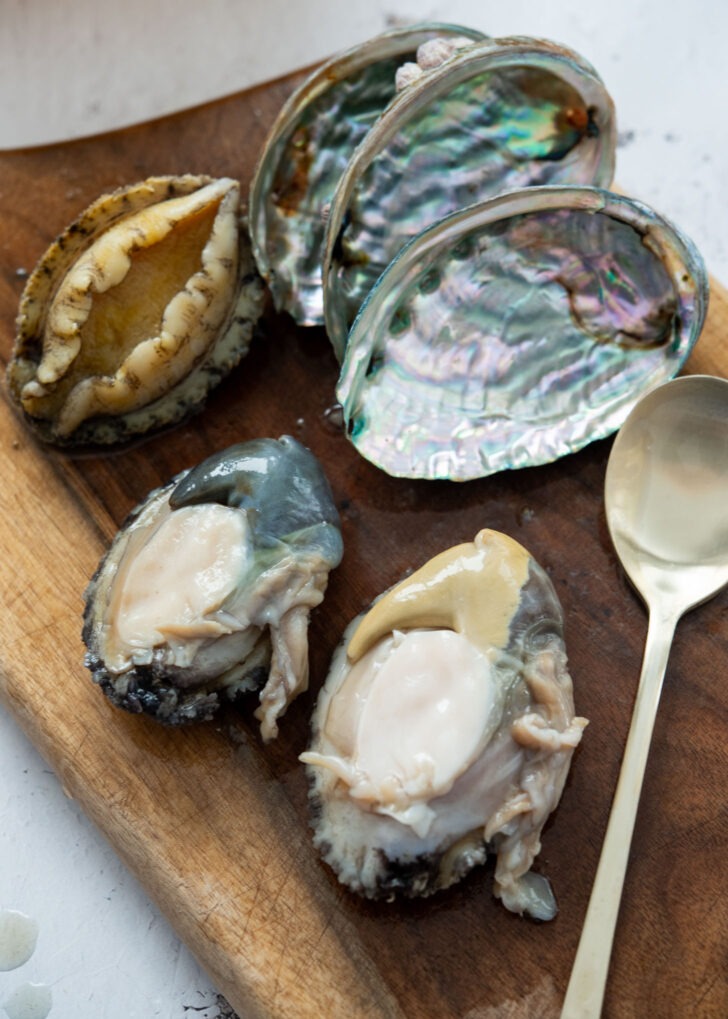
Next, slide a spoon or small knife under the flesh to separate it from the shell. It should release easily with gentle pressure.
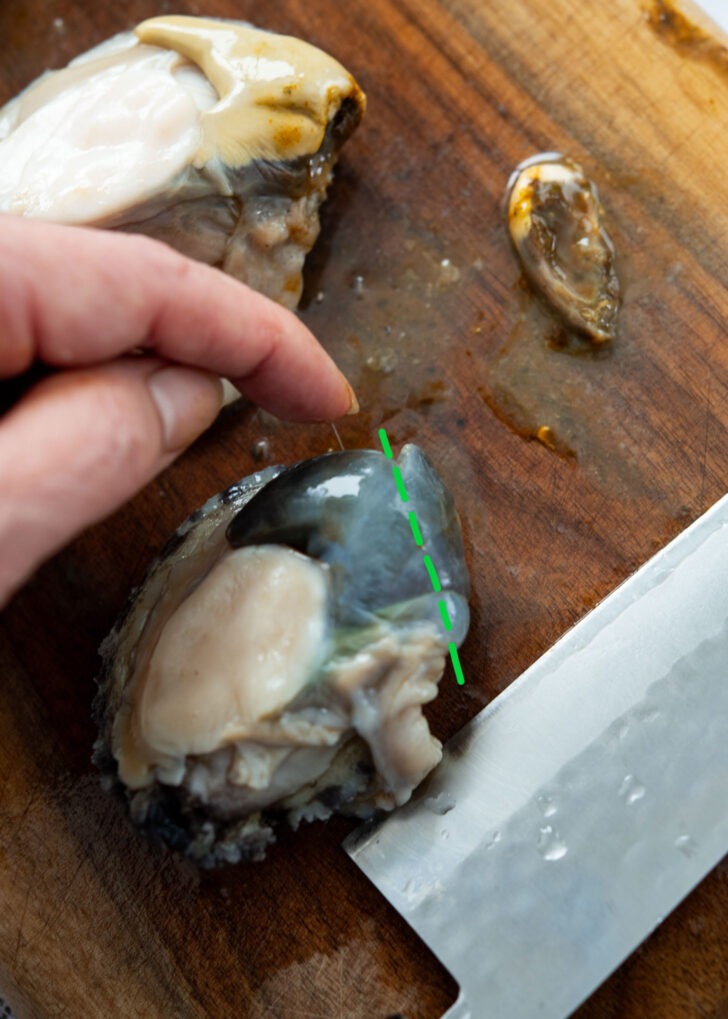
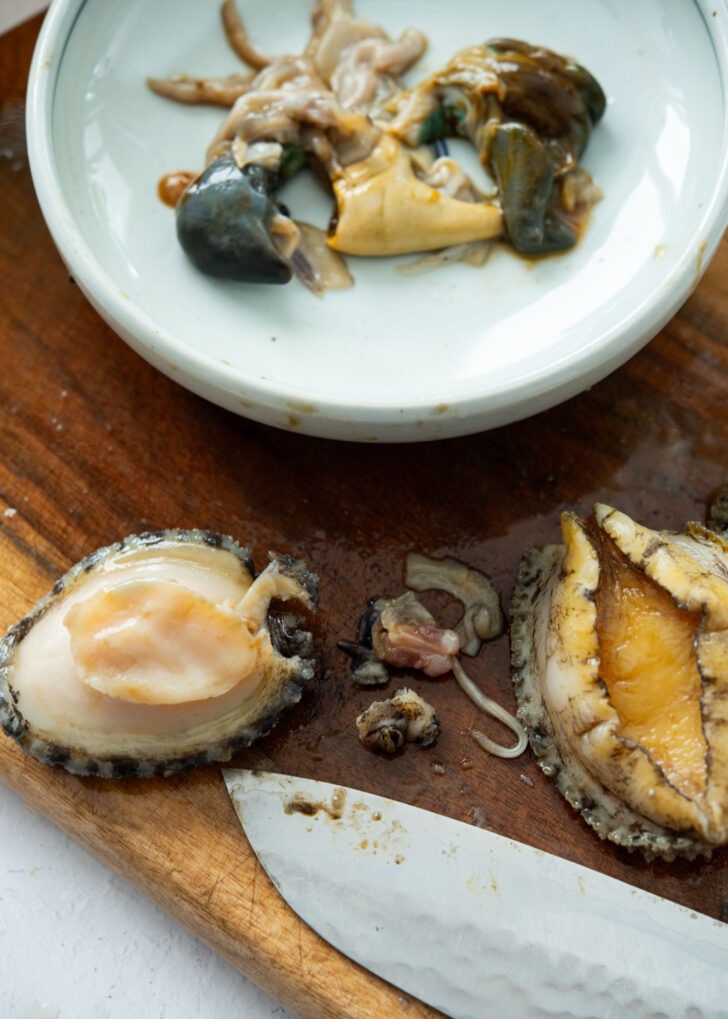
Trim off the pointy dark edges, keep the innards, and remove the mouth area at the front. In Korean cooking, the innards are essential for jeonbokjuk. They add deep flavor and give the porridge its natural green color.
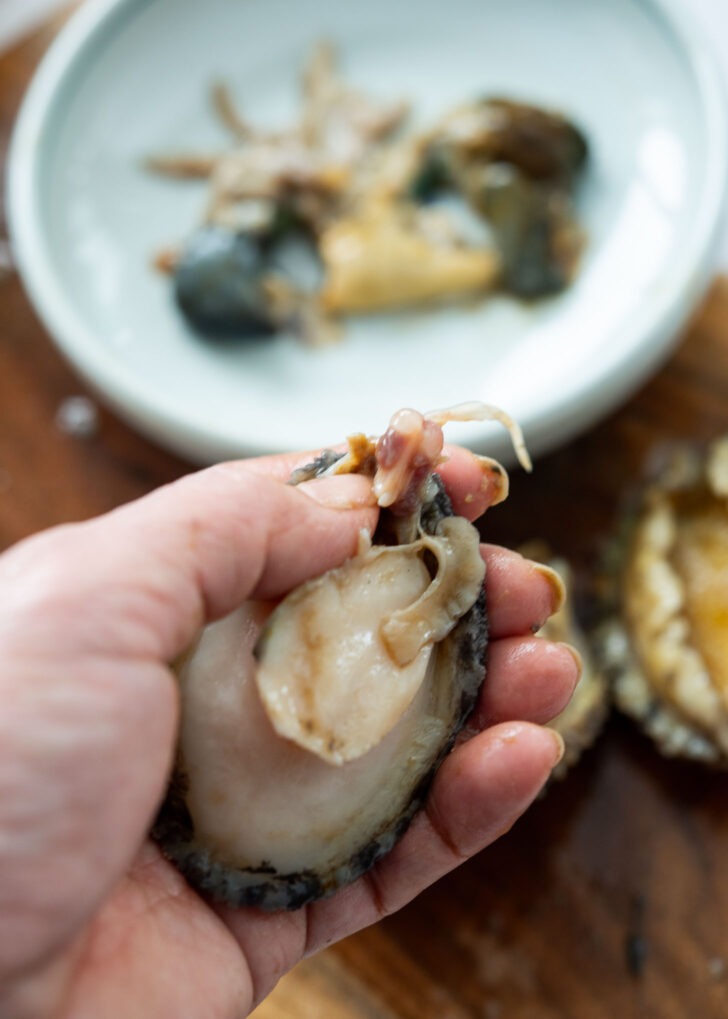
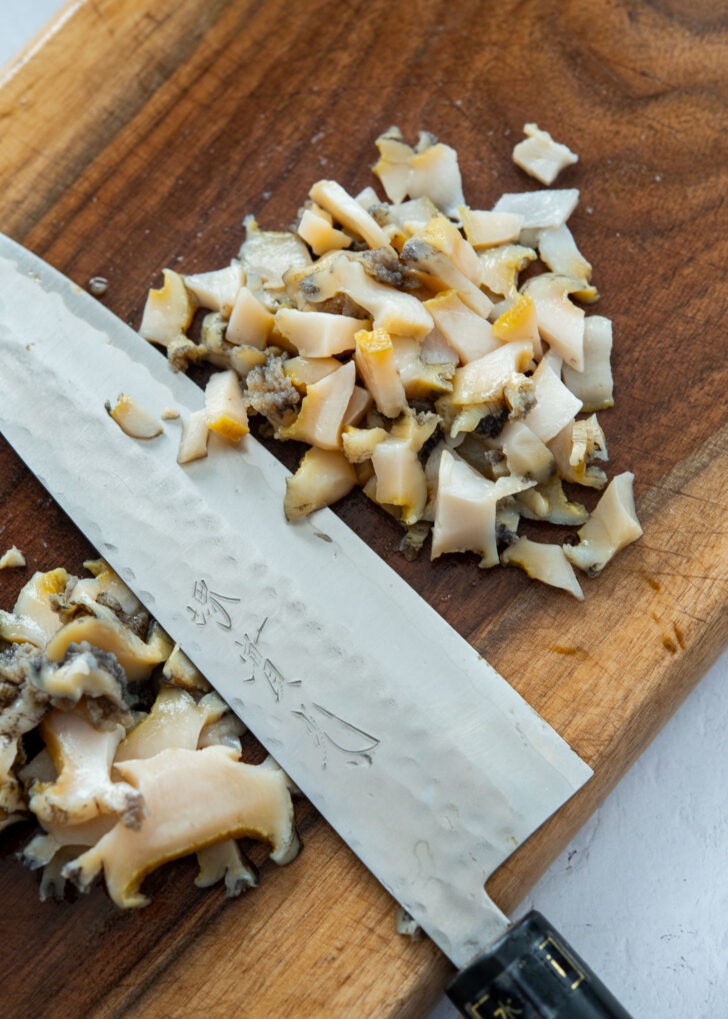
Give everything a final rinse, then slice the abalone thinly or dice into small pieces so it cooks quickly and stays tender.
If this is your first time, don’t worry. It’s easier than it looks. You can also watch the full step-by-step in my recipe video below in the recipe card.
The Secret to That Deep Green Flavor (Abalone Innards)
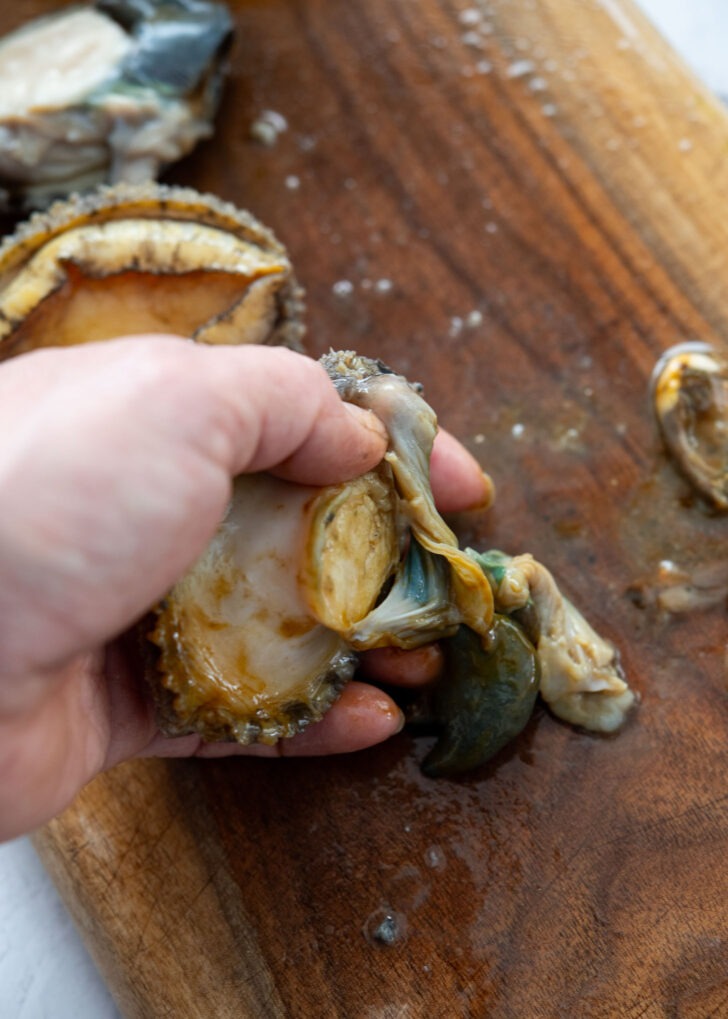
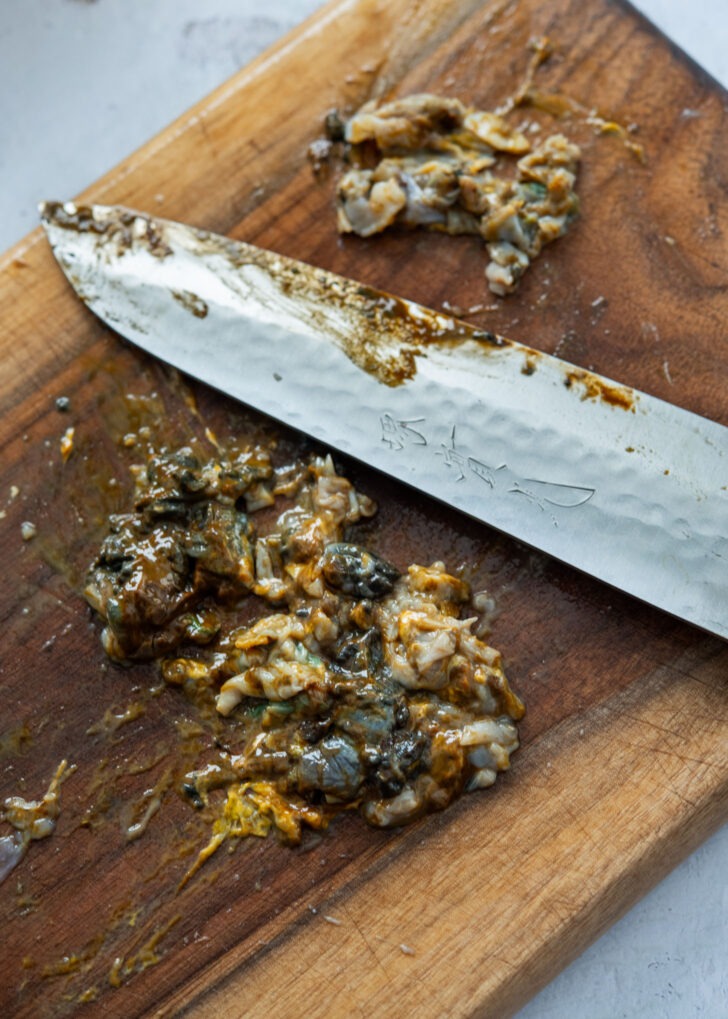
If you’ve ever noticed the green color in jeonbokjuk, it comes from the abalone innards. This is what gives the porridge its signature green color and deep savory base.
In Korean cooking, we don’t discard this part. It’s considered the most flavorful portion of the abalone. Once cleaned, finely chop the innards and sauté them with a little sesame oil at the start of cooking. This step builds a rich base that you simply can’t get from the meat alone.
The flavor is not strong or fishy as some might expect. Instead, it adds a gentle ocean depth that makes the porridge taste fuller and more nourishing.
If this is your first time, don’t skip it. This one step is what makes jeonbokjuk taste like the real thing.
My Faster Jeonbokjuk Method Using Leftover Rice
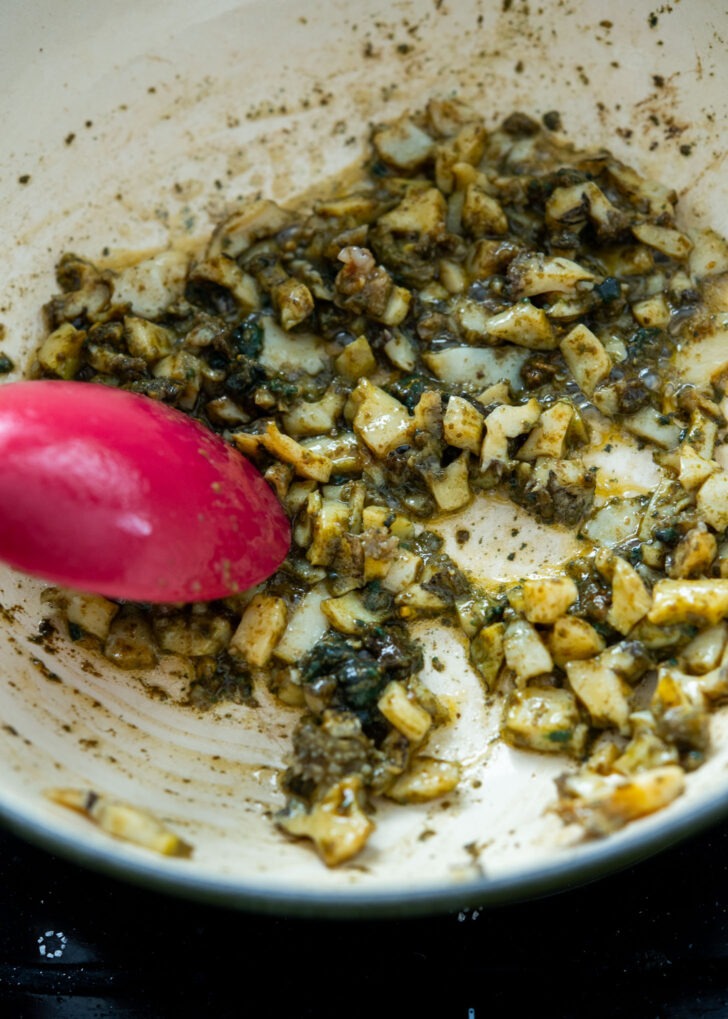
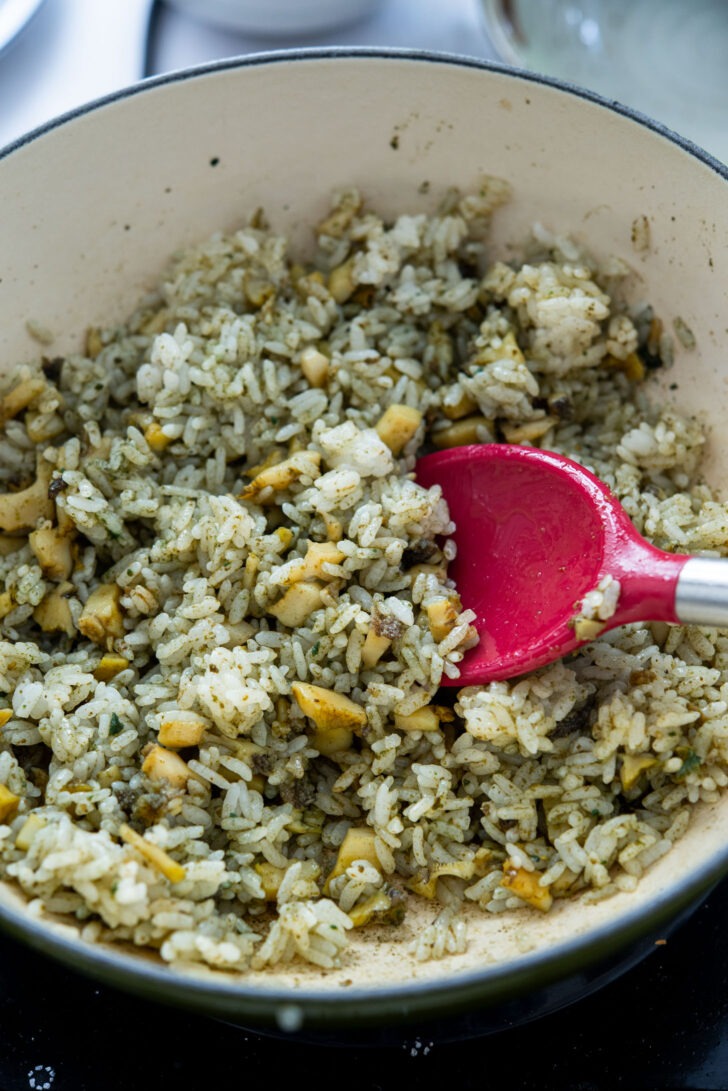
Start by sautéing the chopped abalone and innards in sesame oil over low heat. This builds a deep, savory base without burning the oil. Add the cooked rice and gently toss to coat. Break up the grains as you go so they absorb the flavor evenly.
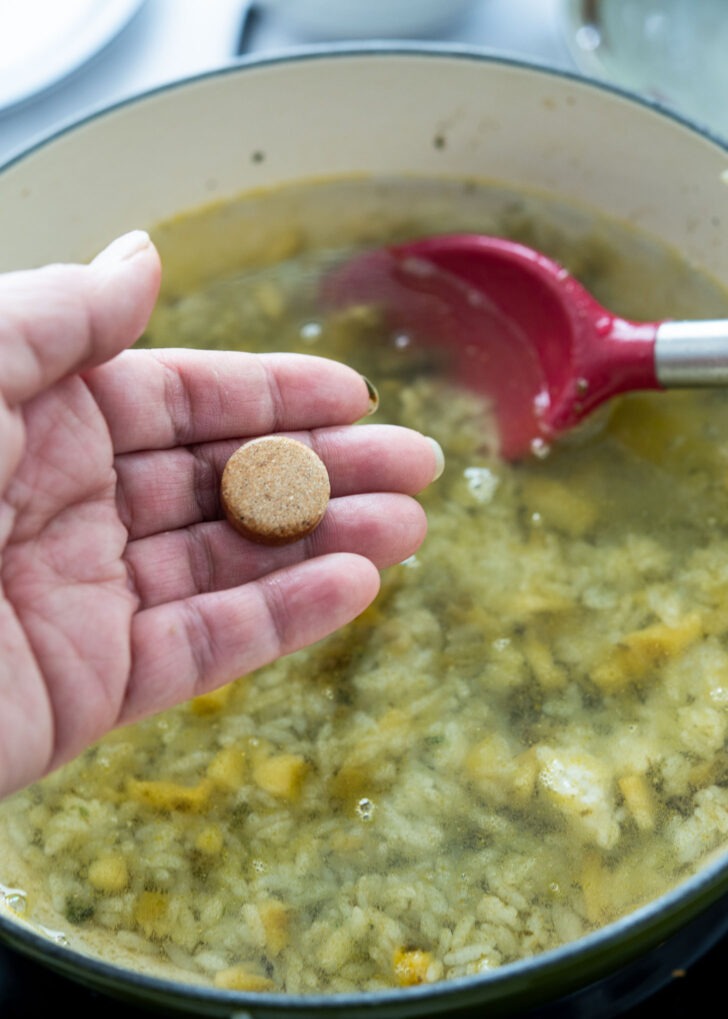
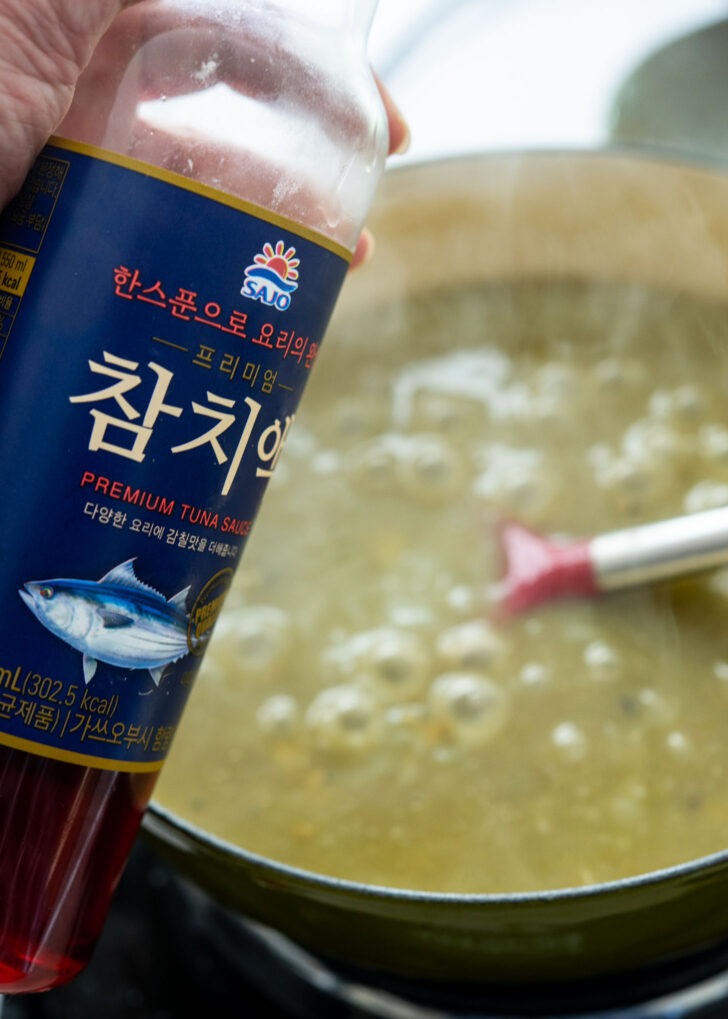
Pour in water or light broth, then add a stock coin and a splash of Korean tuna sauce, which adds a clean, savory depth often used in Korean home cooking. Let it simmer gently, stirring occasionally, until the rice softens further and the porridge thickens.
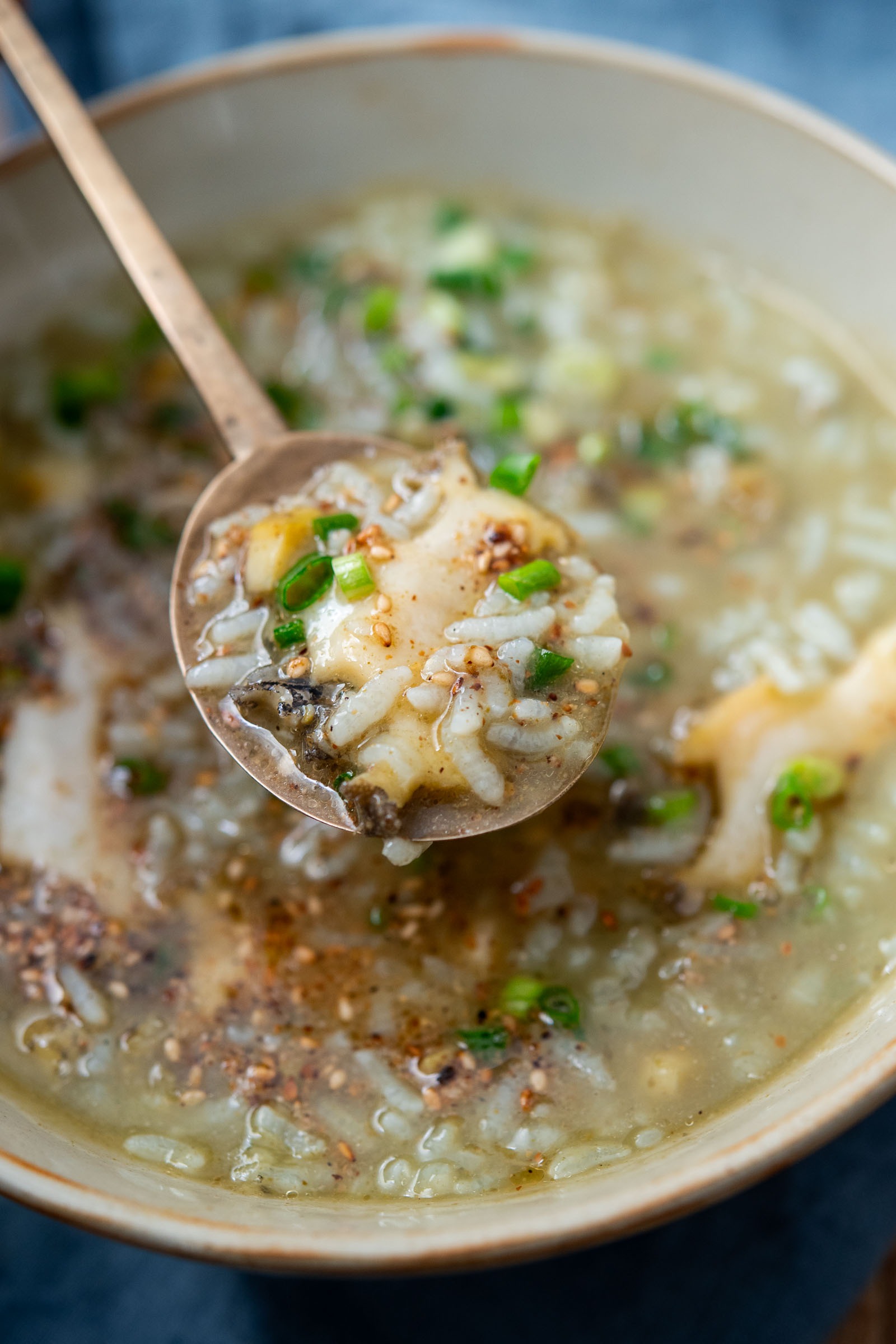
How to Get the Right Porridge Texture Every Time
The final texture should be soft and cohesive, with the rice gently broken down into a silky base. If it looks too thin, let it simmer a bit longer uncovered so the liquid reduces. If it becomes too thick, simply add a little more broth or water to loosen it.
Break up the rice grains as it cooks to help create that creamy consistency. Stir occasionally so the bottom doesn’t stick and the porridge cooks evenly. The final texture should feel soft and cohesive, with small bits of rice suspended in a silky base.
What to Serve with Jeonbokjuk
Jeonbokjuk is often served simply, with a few small sides on the table.
A bowl of napa cabbage kimchi adds a bright contrast to the mild, savory porridge. Cubed radish kimchi is another classic pairing that brings a clean, refreshing bite.
You can finish the porridge with a drizzle of sesame oil or a light seasoning of soy sauce, depending on your taste. It’s a humble meal, often enjoyed for breakfast, but incredibly satisfying when everything comes together.
For a different take on Korean porridge, I often make my pumpkin porridge, which leans naturally sweet and creamy.
Love this recipe? Rate it and share your experience in the comments below! On Instagram? Tag me to showcase your creation. For more delicious recipes, subscribe to our newsletter!
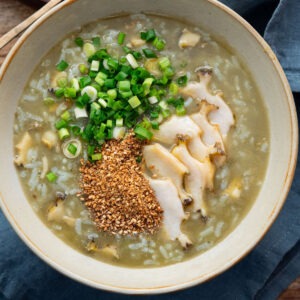
Jeonbokjuk (Korean Abalone Porridge, Quick Method)
Recipe Video
Ingredients
- 3 about 10 oz (300 g) fresh abalone in shells
- 1 tbsp (15 ml) sesame oil
- 2 cups (about 400 g) leftover white rice, short grain rice preferred
- 3 cups (720 ml) water
- 1 anchovy stock coin
- 1 tbsp (15 ml) Korean tuna saue
- pinch salt, to taste
- 1 green onion, finely chopped
- 2 tbsp (about 18 g toasted sesame seeds, crushed
Instructions
- Prepare the abalone: Remove the abalone from the shells. Trim off the dark edges and discard the mouth area. Separate the innards from the flesh and place in another bowl. Rinse well and dice the flesh. Finely chop the innards and set aside. (See post above for detailed cleaning steps.)
- Build the base: Heat sesame oil in a pot over low heat. Add the chopped abalone and innards, and sauté briefly until fragrant.
- Add rice: Add the cooked rice and stir to coat evenly. Break up any clumps. Pour in water.
- Simmer and Adjust consistency: Pour in water or light broth. Add the stock coin and tuna sauce. Bring to a gentle simmer and cook, stirring occasionally, until the rice softens and the porridge thickens. Add more water if needed to reach your preferred texture. Season lightly with salt to taste.
- Serve: Ladle into bowls and top with green onion and crushed sesame seeds. Finish with a drizzle of sesame oil if desired.