

Gochujang Jjigae (Spicy Pork and Zucchini Stew)
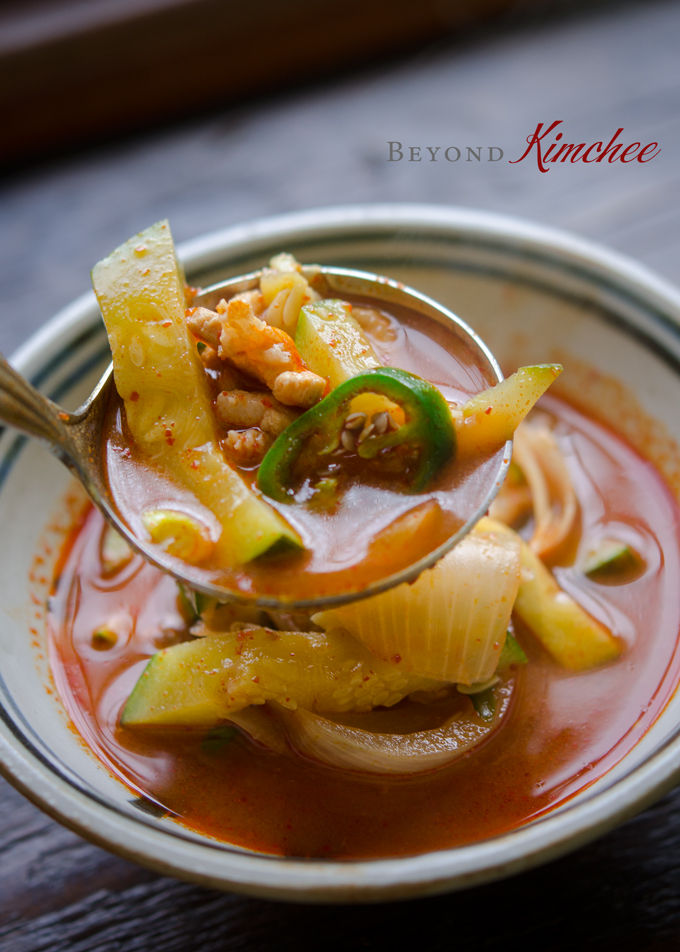
Gochujang jjigae is a spicy Korean stew made with pork belly, summer zucchini, and a rich gochujang broth. It cooks in about 25 minutes and makes an easy weeknight dinner when you want something hearty with minimal fuss. Serve with rice and a couple of banchan for a comforting Korean meal.
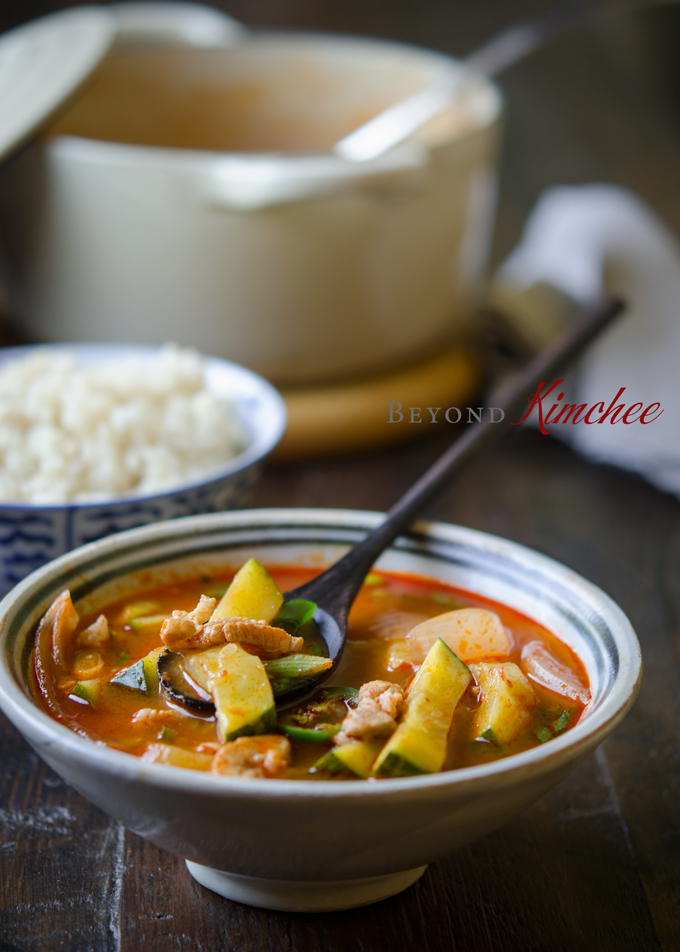
Gochujang jjigae (고추장찌개) is one of those Korean stews that looks simple but hits you with big, bold flavor — spicy, hearty, and deeply satisfying with a bowl of rice. I didn’t grow up eating this exact version, but I fell in love with it on a summer trip to Gwangju in Jeolla province I had many years ago.
We ducked into a tiny back-alley restaurant run by an older lady, the kind of place where you don’t ask for a menu because there isn’t one. She brought out a bubbling pot of gochujang jjigae made with pork and peak-season Korean zucchini (hobak) — a local specialty I had somehow never tried.
Get new recipes via email:
One spoonful in, and I knew I’d be recreating this at home the moment I returned. It was rich, a little smoky, deeply spicy, and so good we polished off our rice like there was no tomorrow.
Every summer when Korean zucchini shows up in abundance, this stew is the first thing that pops into my head. It’s a simple, homestyle jjigae, but the combination of pork, zucchini, and gochujang has a way of turning an ordinary night into something warm and memorable.
If you already love Korean staples like kimchi jjigae, this gochujang jjigae hits a completely different note; spicy, porky, and full of summer zucchini.
Ingredients You’ll Need
This stew uses everyday Korean pantry staples, but each one brings something important to the pot.
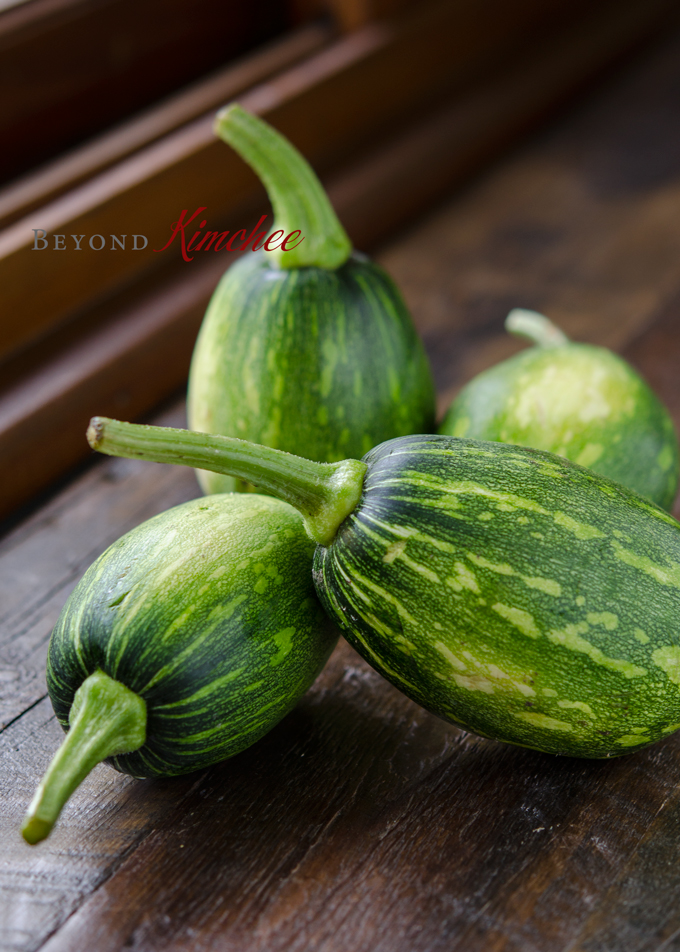
Korean zucchini (aehobak): Aehobak has a naturally sweet, gentle flavor and stays tender without falling apart. It’s rounder and deeper green than American zucchini, but honestly any zucchini or summer squash works. In Gwangju, they pile it in generously, so don’t be shy here.
Pork belly: I use pork belly for its rich flavor and melt-in-your-mouth texture. The fat renders into the broth and gives the gochujang base that deep, satisfying taste Jeolla-style jjigae is known for. If you prefer a leaner option, pork shoulder works too—just simmer a touch longer.
Gochujang + gochugaru: The heart of the stew. Gochujang brings savory depth and a little sweetness, while gochugaru layers in heat that feels warm, not sharp. Together they build that classic Korean “red stew” flavor.
Aromatics: Onion and garlic form the base of the broth. They soften into the stew and round out the heat so it tastes balanced, not one-note.
Seasoning: A splash of Korean soup soy sauce (guk ganjang) adds clean saltiness, and a bit of Korean fish sauce brings quiet umami in the background. You won’t taste it outright—it just makes everything taste a little fuller and more comforting.
How to Make Gochujang Jjigae with Zucchini
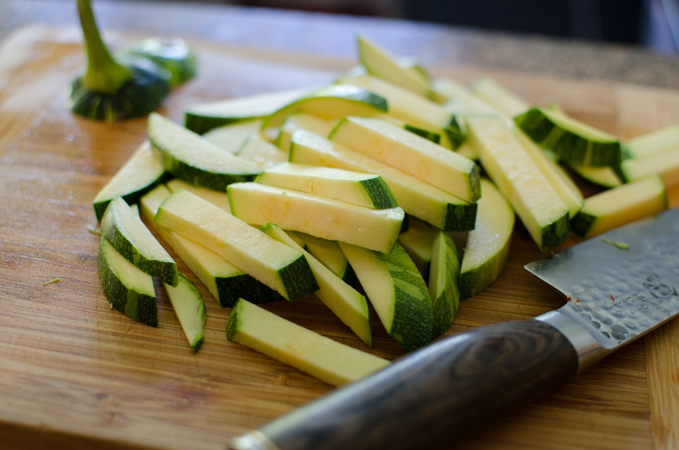
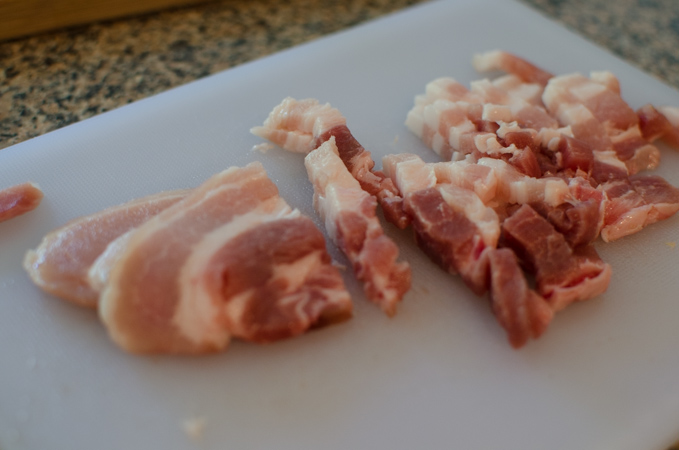
Start with sturdy cuts. Cut the zucchini into thick sticks. Gochujang jjigae simmers boldly, and thin slices melt away before you even ladle it out. Do the same with the pork belly: cut it about the same thickness as the zucchini. The pieces stay tender, flavorful, and hold up beautifully in the pot.
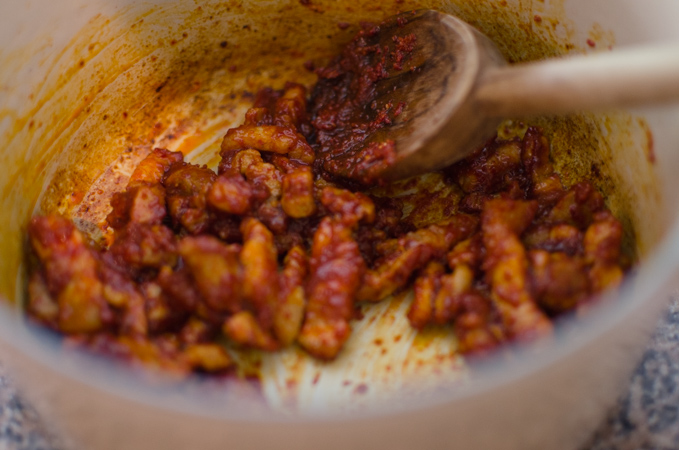
Build the base with pork + chili paste. I always sauté the pork belly with a spoonful of gochujang and a sprinkle of gochugaru. The fat melts, the chili paste caramelizes. This step is what gives the stew its depth before any liquid even touches the pot.
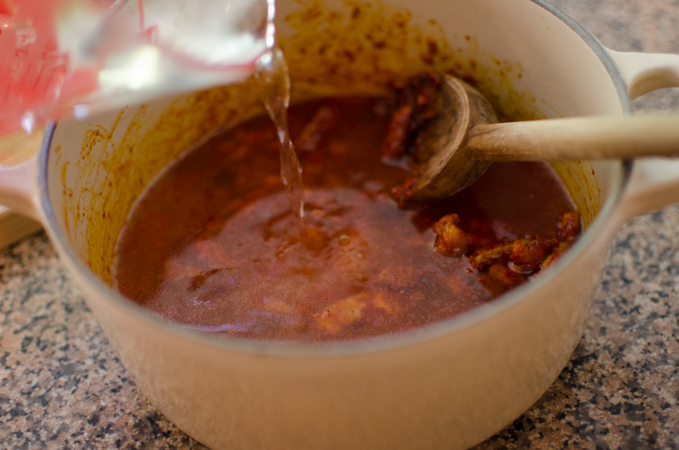
Add liquid and aromatics. Once the paste has coated the pork, pour in water (or kelp stock if you want extra umami) and add the onion. The onion sweetens the broth as it softens, so let it simmer until it loses its bite.
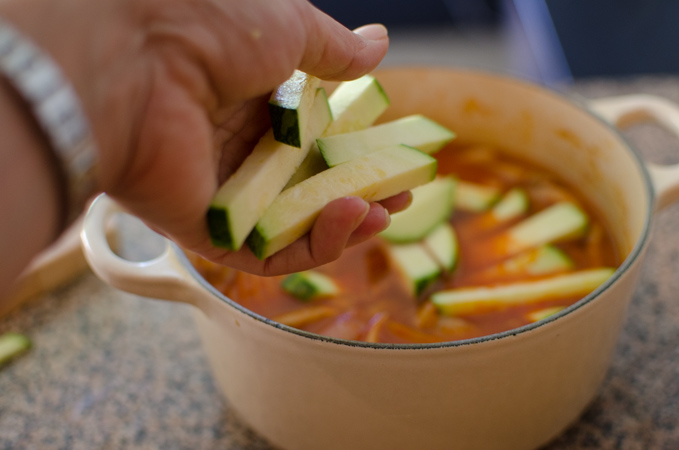
Zucchini goes in when the broth is ready. Drop in the zucchini and garlic when the onion has started to slump. The zucchini softens quickly, so don’t add it too early.
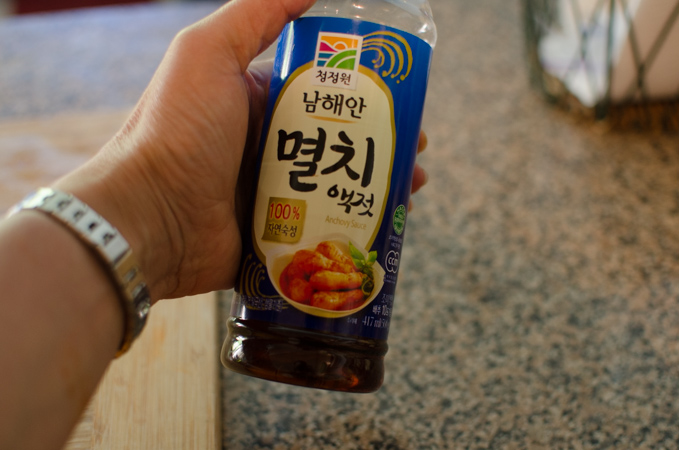
Season the Korean way. A small splash of fish sauce (Korean anchovy sauce) gives that unmistakable Korean stew flavor without overpowering the vegetables.
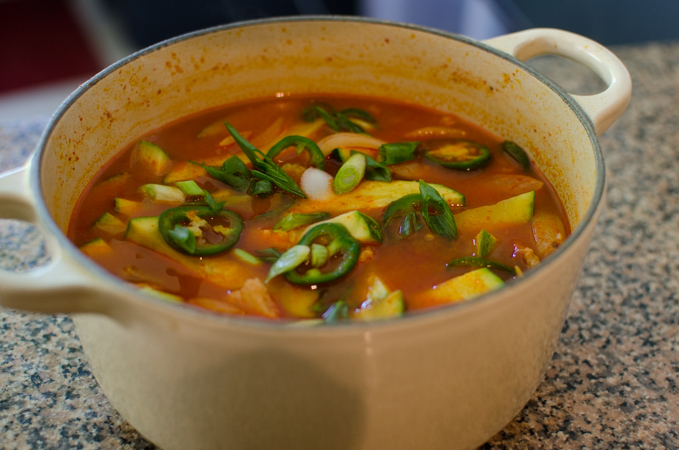
Finish with fresh heat. Right before serving, stir in sliced green chiles and green onions to give the stew a fresh finish. They brighten the stew and bring that little spark of freshness.
Ladle it into bowls and serve it bubbling hot with freshly steamed rice and a couple of banchan on the side. That’s the Korean way, and it turns into the kind of comforting meal that disappears faster than you expect.
If you enjoy these deep and homey flavors, you’ll probably fall for my doenjang jjigae. It has that same quietly rich broth I grew up on. And on days when you want something softer and cozier, sundubu jjigae is always a good idea.
Looking for more cozy soups? My full Korean soups and stews collection is right here when you need it.
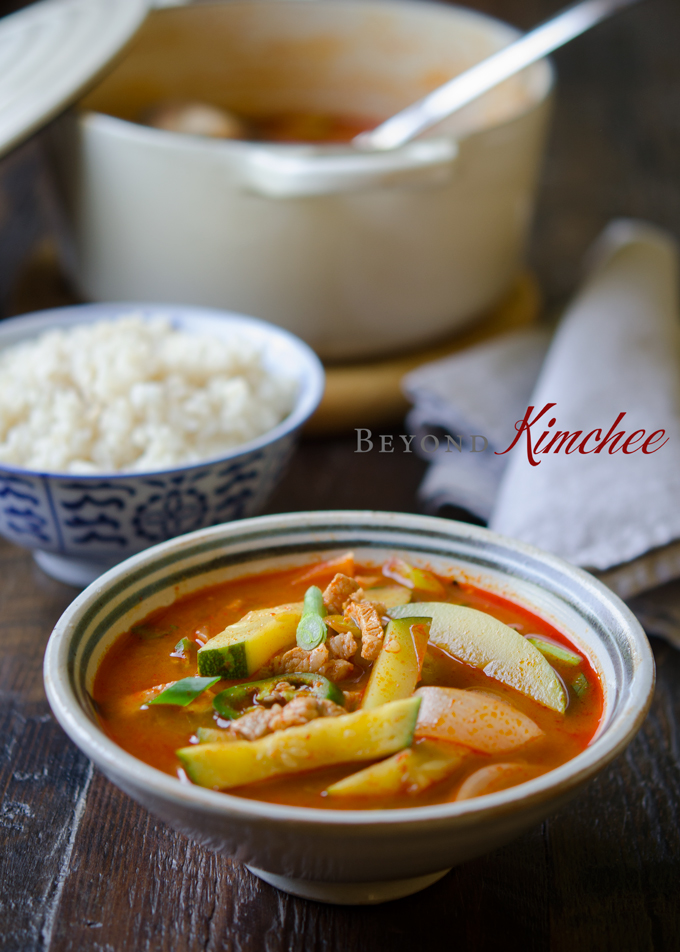
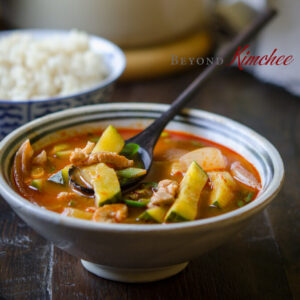
Gochujang Jjigae (Spicy Pork and Zucchini Stew)
Ingredients
- 1 (about 250–300 g) large zucchini, sliced into ½-inch sticks
- 1/4 lb (110 g) pork belly, thinly sliced into strips
- 1 small onion, sliced
- 1-2 tbsp (20–40 g) Korean chili paste (gochujang)
- 2 tbsp (12–14 g) Korean chili flakes (gochugaru)
- 1 tbsp (15 ml) Korean soup soy sauce (gukganjang)
- 1 tbsp (15 ml) canola or grape seed oil
- 3-4 cup (720–960 ml) water
- 2 cloves garlic minced
- Korean anchovy sauce , or fish sauce to taste
- 1 jalopeño, sliced, optional
- 1-2 green onion , chopped
Instructions
- In a small bowl, combine the chili paste, chili flakes, and soup soy sauce. Add the pork belly slices and toss with seasoning paste.
- Heat oil in a small pot over medium heat. Add the seasoned pork belly and saute for 1 minute. Add the water and onion (water should barely cover everything in the pot), and bring it to boil. Lower the heat a little and continue to cook until the onion is soft.
- Add the zucchini sticks, garlic, and continue to cook for 2-3 minutes or until the zucchinis are almost tender.
- Season with anchovy sauce to your desired taste. Add the jalapeño and green onion and let it simmer for 1 minute. Remove the stew from heat and serve hot with rice.
Notes
- You can substitute zucchini with other types of squash or pumpkin if summer zucchini isn’t available.
- Instead of pork belly, try using other proteins like canned tuna, beef, or chicken.
- To make this dish vegetarian, use potatoes and/or mushrooms instead of pork. Adding cubes of tofu makes the stew hearty and satisfying.
Just made this with tofu… it’s spicy and super tasty 😋
I am glad you were able to tolerate the heat from this gochujang jjigae to enjoy the taste. Thanks for your comment as always!
I made this and it was quickly finished! Just wondering if an egg could be added at the end?
Typically, egg is not added to this stew but it’s a personal preference, and I don’t see why not. I am glad that you liked this recipe. Thank you.
Thanks for the recipe.
Hi Holly! Was wondering if I could use leaner cuts of pork? LIke pork tenderloin? Would leaner meat change the the dish? Thank you!
You can use the tenderloin although tenderloin is not ideal for soups and stew since the cut is very tender. How about pork shoulder or leg part? Fat makes better in flavor but if that is the main concern, you can go with leaner cut.
HAPPY NEW YEAR, HOLLY. I HAVE LEARNED SO MUCH ABOUT KOREAN FOOD FROM YOUR BLOG. THANK YOU SO MUCH.
CAROLINE
Thank you Caroline, I am so happy to hear that my blog and the recipes were helpful to you. Happy new year to you, too!
Loving all the delicious flavours and spices going on in this stew. Think it would make a delicious dinner for tonight Thanks for the recipe!
It is quite flavorful and tasty stew. Hope you like it.
YUM. This looks warm spicy and hearty – a perfect winter soup!