
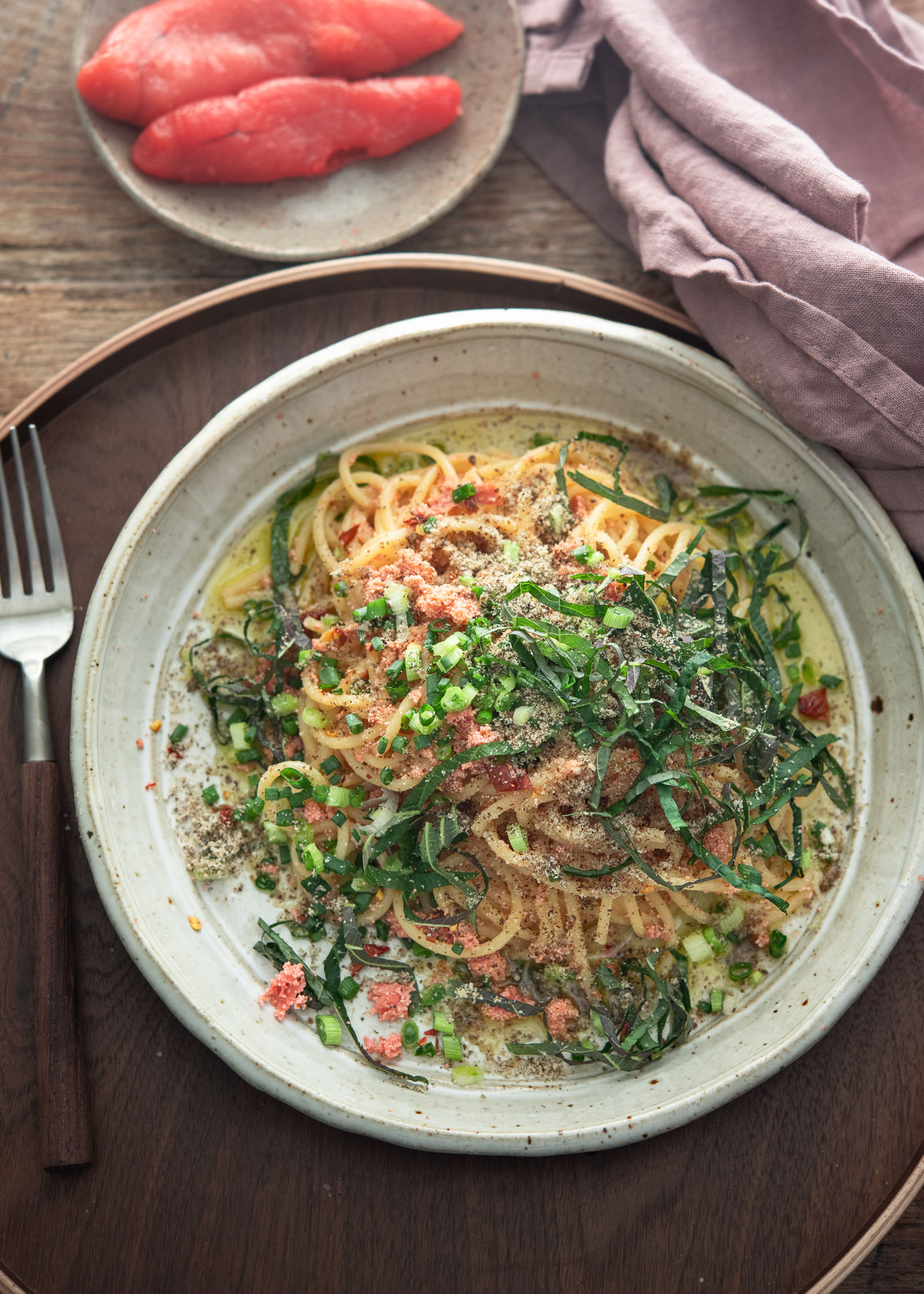
Mentaiko Pasta (Korean Myeongran Pasta)
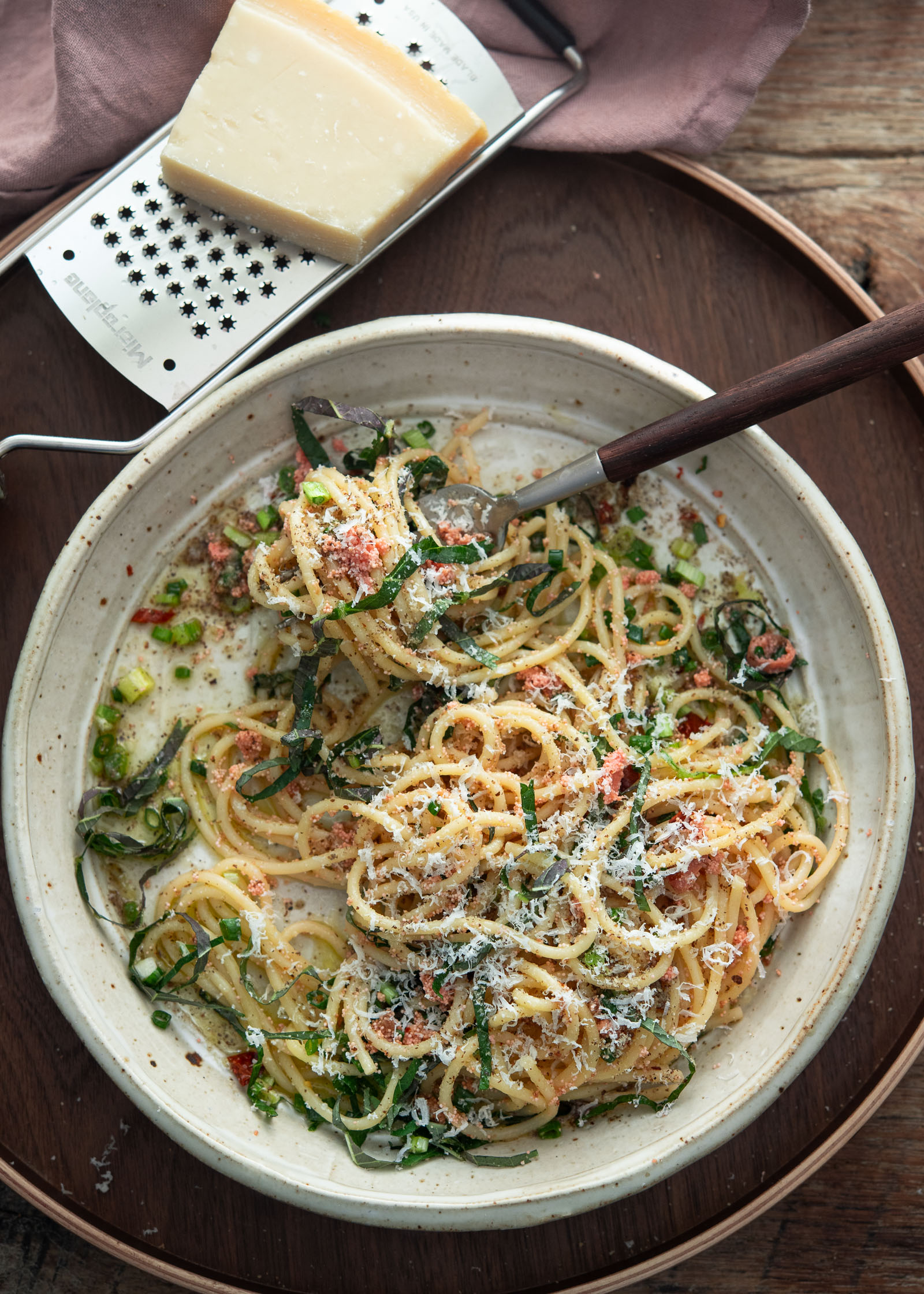
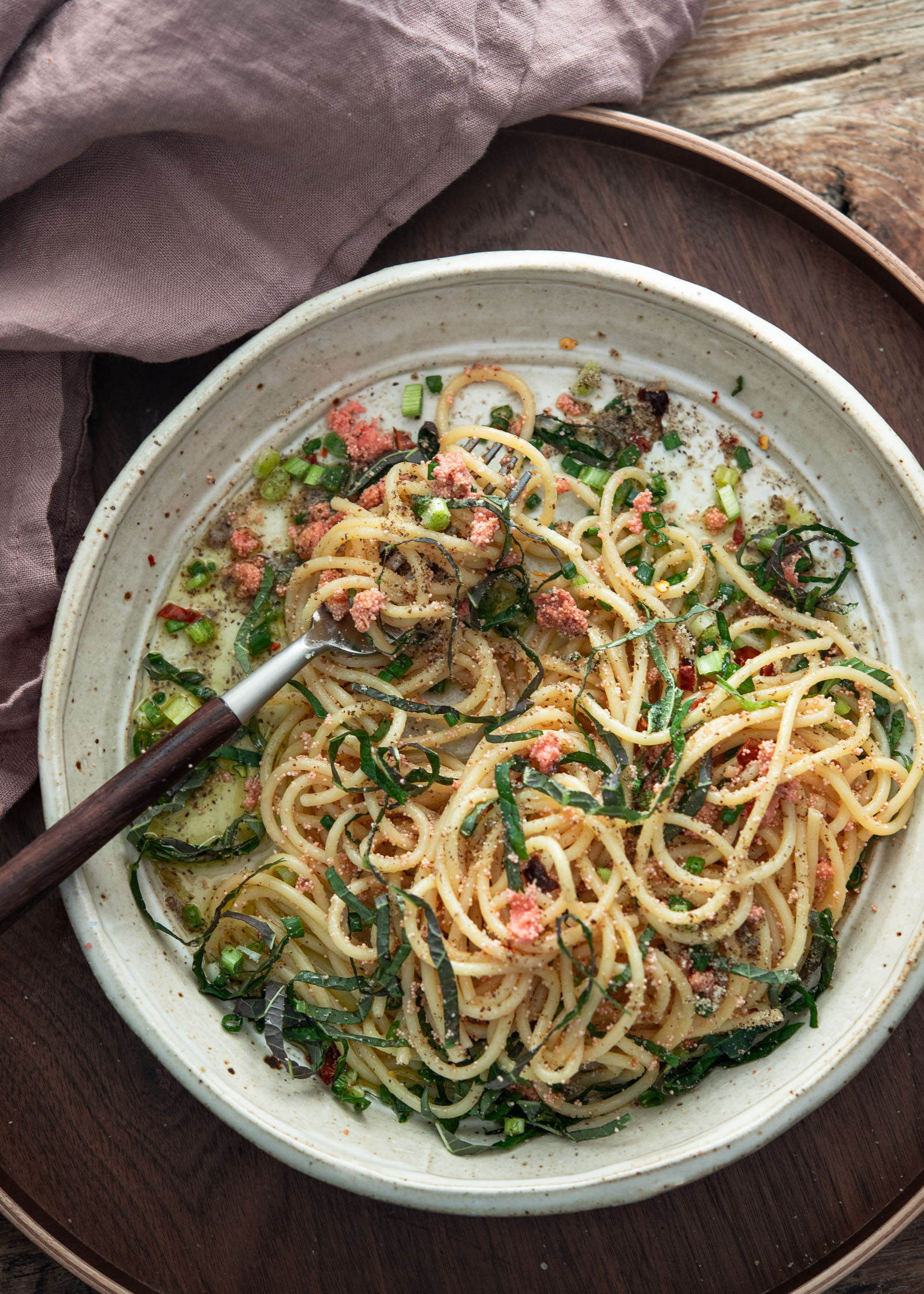
This Korean-style mentaiko pasta keeps things light with a simple garlic oil base instead of cream. Made with salty myeongran (pollock roe), spaghetti, and finished with fresh perilla and green onion, it’s a quick, savory pasta you can pull together in about 15 minutes. Great for a quick weeknight dinner.
Get new recipes via email:
There’s a trendy spot in Seongsu right now known for Korean fusion plates, and this mentaiko pasta stopped me mid-bite. This is the kind of pasta I keep ordering in Seoul these days. It’s also called myeongran pasta (명란파스타), made with Korean pollock roe.
Unlike the creamy Japanese version, this one keeps it light with a simple garlic oil base. Clean, savory, and quietly addictive.
Korean fusion pasta has been having a moment lately. I’ve been making versions like my doenjang-based pasta with a savory soybean paste sauce, and this myeongran version fits right into that same space.
I knew I had to recreate it at home.
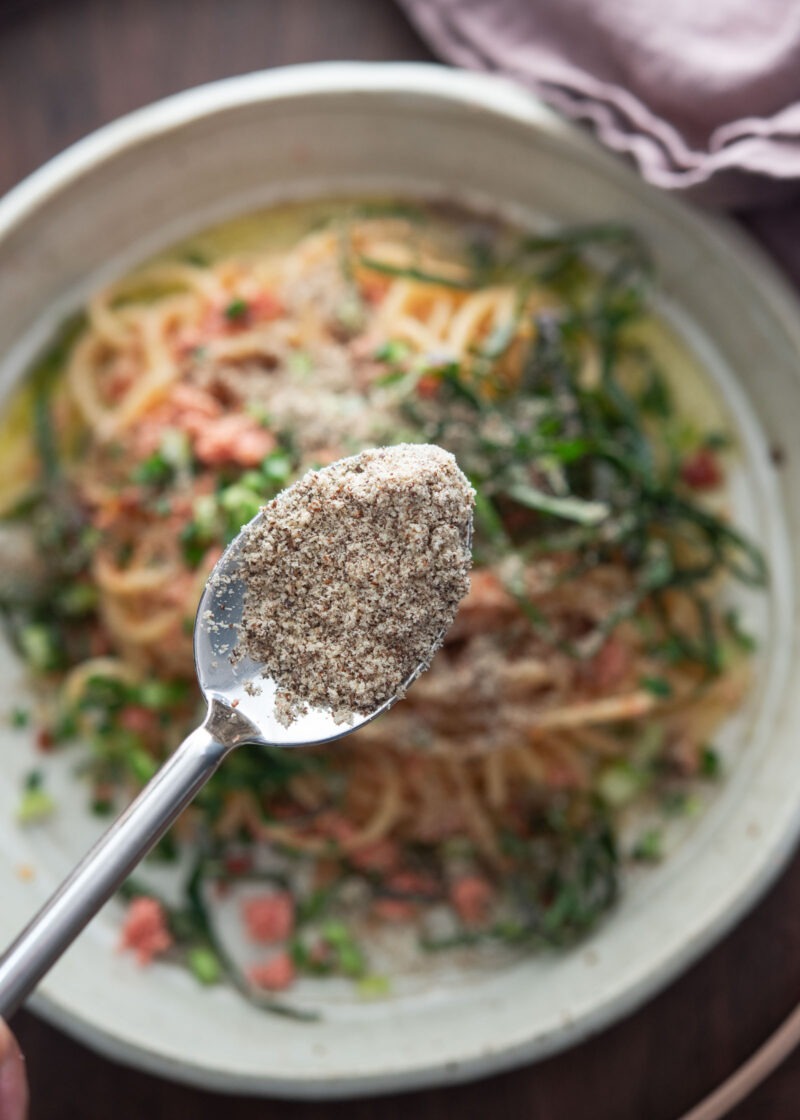
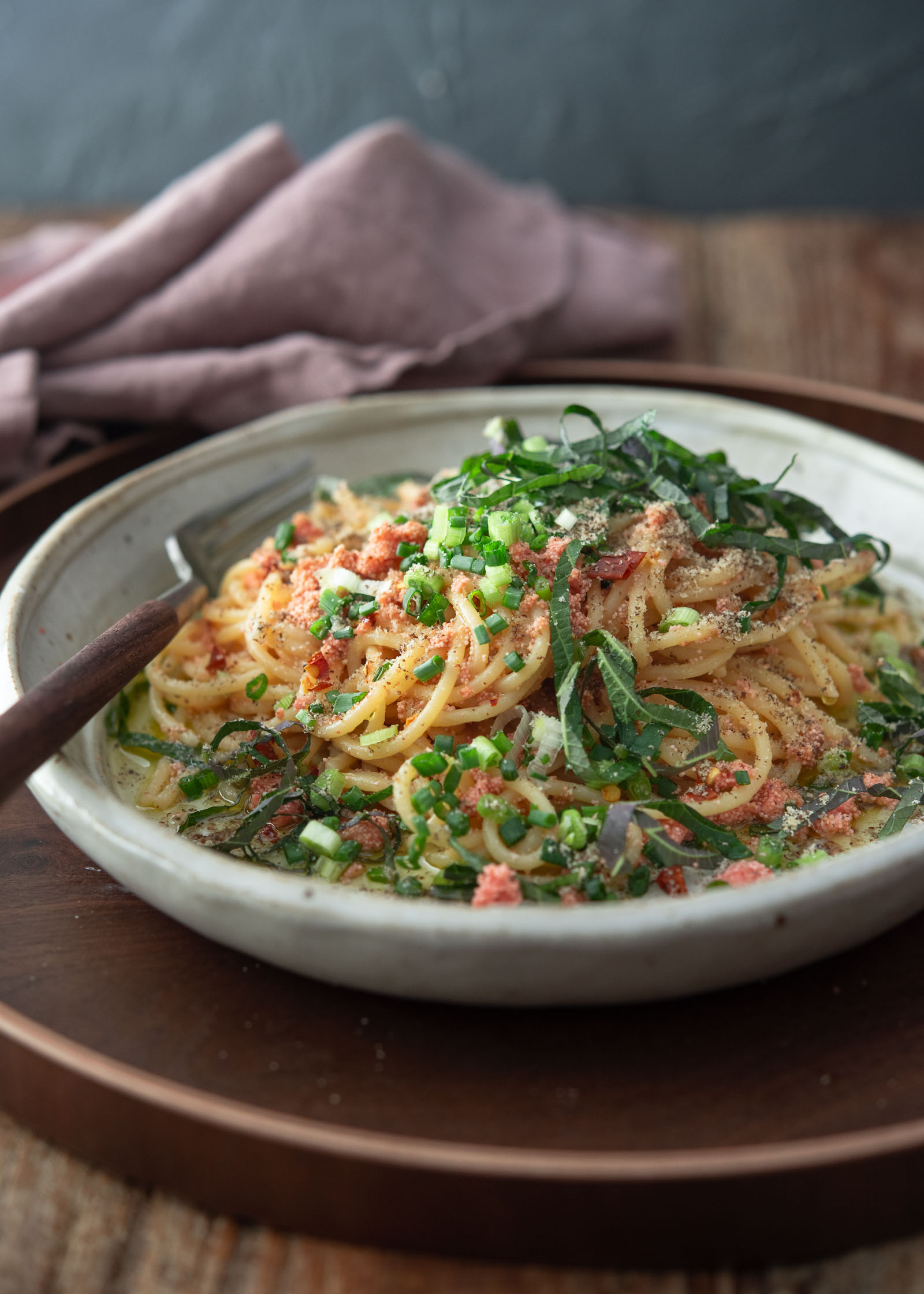
This version lets the myeongran do the work. It melts gently into warm pasta, coating each strand with deep umami. I finish it with fresh perilla leaves and a sprinkle of ground perilla seeds, which adds a nutty, almost toasty edge you don’t get from typical mentaiko pasta.
It comes together in the time it takes to boil pasta. No heavy sauce, just a handful of ingredients and a very satisfying bowl.
Mentaiko vs Myeongran
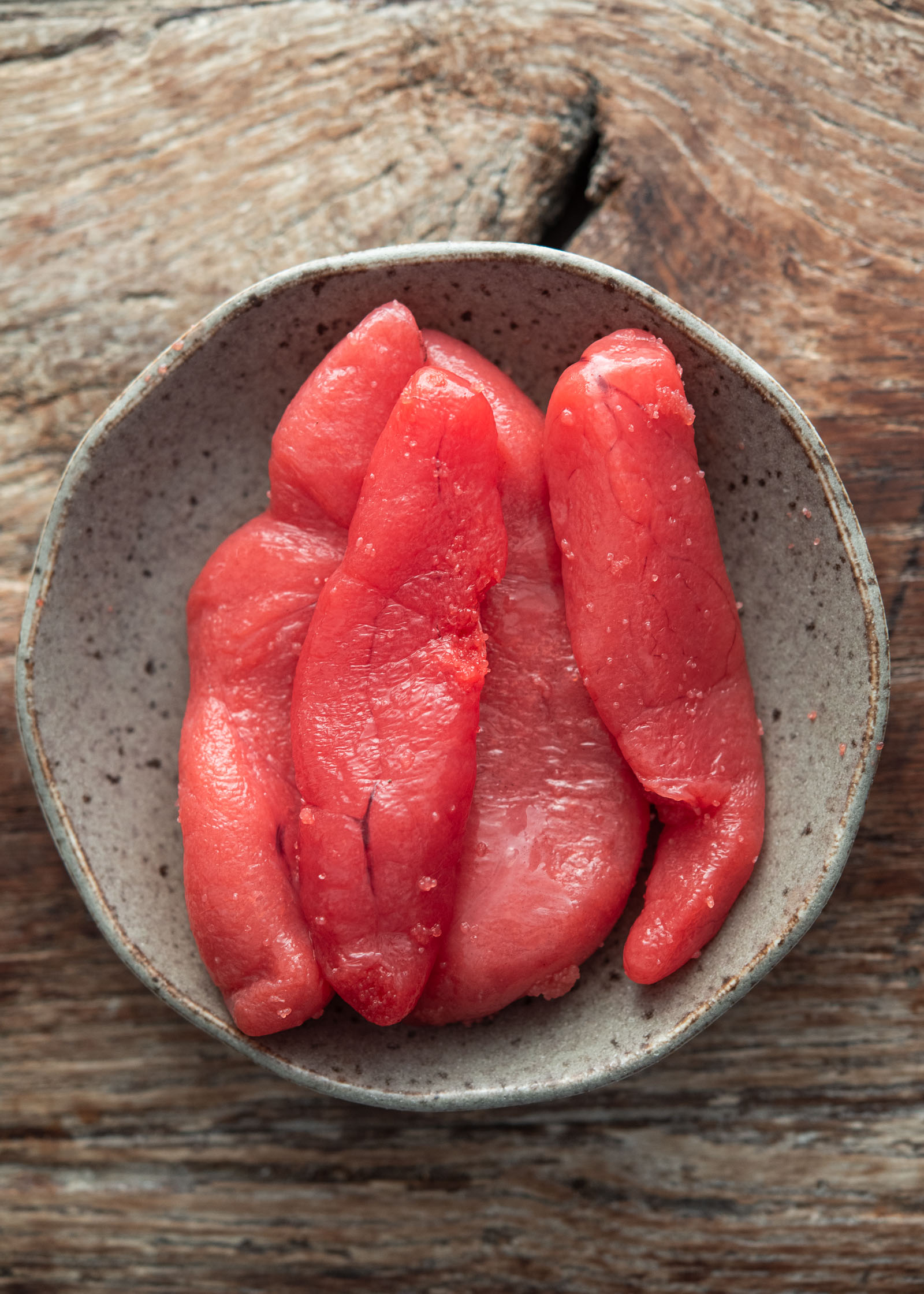
Mentaiko and myeongran come from the same ingredient, pollock roe, but they don’t taste exactly the same on the plate.
In Korea, myeongran is usually salted and lightly fermented, which gives it a deeper, more savory flavor. It’s a bit saltier and has a stronger umami punch. When warmed gently, the grains soften but still keep a slight texture, so you get that pleasant pop instead of a smooth paste.
Mentaiko, the Japanese version, is often seasoned with chili and sometimes a touch sweeter. It blends more easily into sauces, especially in creamy pasta, where the flavor becomes mellow and rounded.
When I tested this pasta, I found that myeongran works especially well in an oil-based sauce. The flavor stays clear and defined instead of getting lost in cream. It coats the noodles lightly while still letting the roe stand out.
If you only have mentaiko, you can absolutely use it here. Just taste before adding extra salt, since the seasoning level can vary quite a bit. I didn’t need to add any extra salt.
How to Handle Myeongran for the Best Texture
Myeongran is delicate. Cook it too long and it turns dry and grainy.
I like to open half of the sac and scrape out the roe, then finely chop the rest. You get a bit of both. Some melts into the pasta, while a few small clusters stay intact and give a gentle, slightly chewy bite.
Add it at the very end with the heat lowered. The residual heat is enough to warm it through without fully cooking it. That’s what keeps the texture soft with a slight pop.
If you prefer a more blended sauce, let it cook a little longer in the pan. The flavor will mellow, and the texture becomes more paste-like.
How to Make Korean Mentaiko Pasta with Garlic Oil
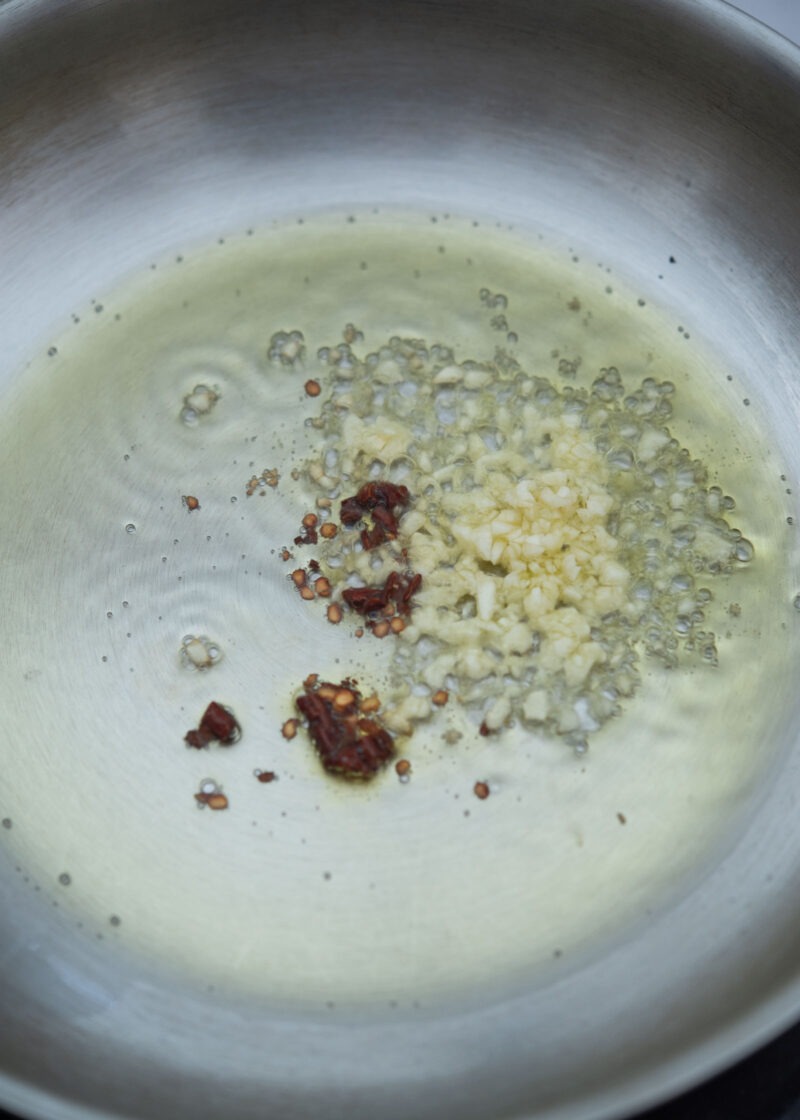
Start by gently infusing olive oil with garlic and dried chili over low heat. Keep the heat controlled so the garlic softens and turns fragrant without browning. This step sets the flavor base, so keep the heat low and steady.
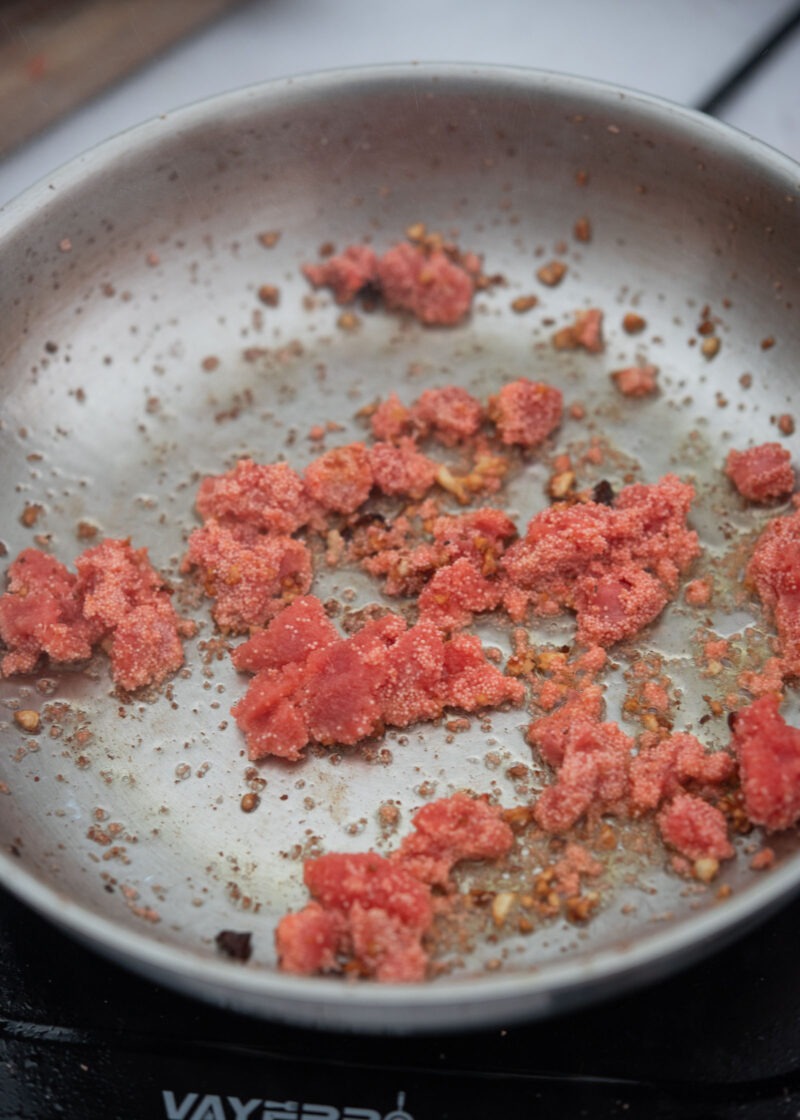
Add the mentaiko and warm it through briefly. It only needs a minute or two. As soon as the color turns slightly lighter, it’s ready. Overcooking will dry it out and take away that soft, delicate texture.
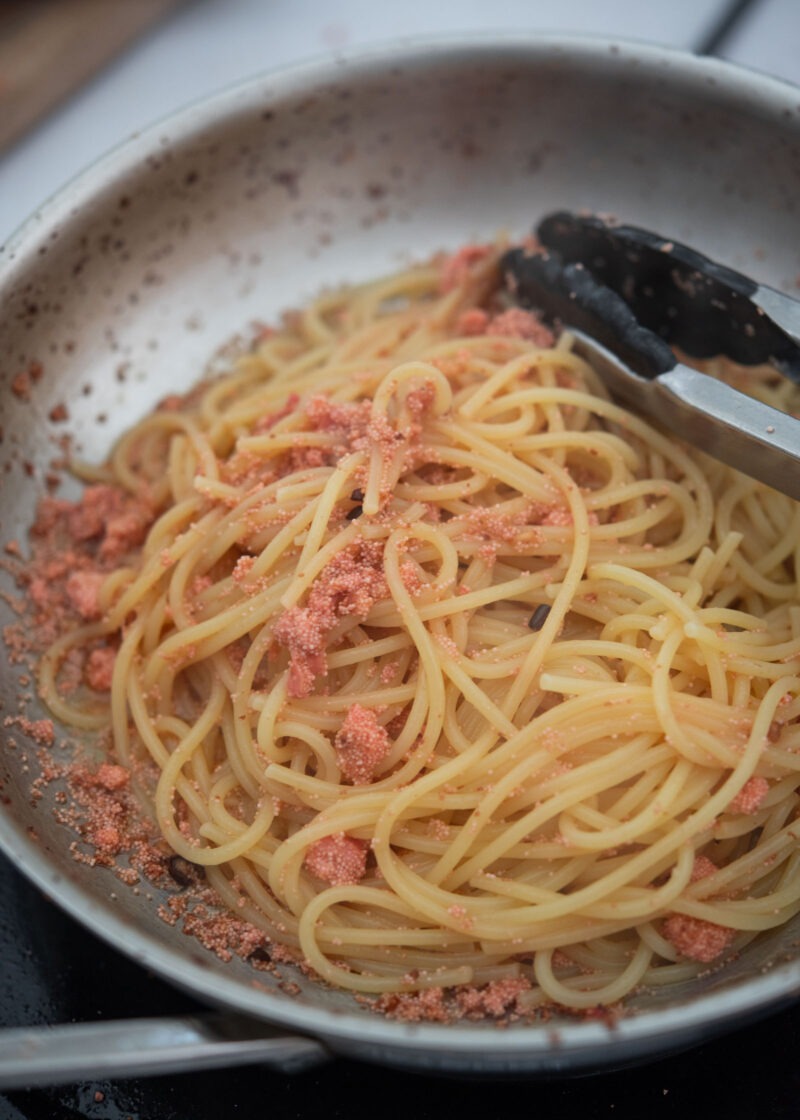
Add the cooked spaghetti along with a splash of pasta water to loosen the sauce. Toss gently so the roe coats each strand without breaking down completely. I like to finish with a light drizzle of extra virgin olive oil for a glossy finish.
Plate right away and add your garnishes while the pasta is still warm and silky.
Hyegyoung’s Tip: Timing matters here. The sauce comes together quickly, so have your pasta nearly done before you start the pan. You want the pasta and sauce to come together at the right moment.
The Finishing Touch That Makes This Pasta Feel Korean
Garnish plays a big role in Korean myeongran pasta, adding contrast and balance.
- Perilla leaves (kkaennip): a fresh, slightly minty herb that gives this pasta a distinctly Korean flavor. I use it often, like in my Korean perilla leaf kimchi, where it really shines
- Green onion: adds a clean, savory bite that balances the richness of the roe
- Ground perilla seeds (deulkkae-garu): nutty and aromatic. Optional, but it adds a subtle depth that makes a noticeable difference. If you enjoy that nutty perilla flavor, I use it in my perilla oil buckwheat noodles (makguksu) where it really stands out.
You can also branch out with other toppings like crumbled roasted seaweed, crisp bacon, cherry tomatoes, sautéed zucchini, and grated parmesan cheese. Keep it simple or dress it up. This is a flexible dish that takes well to small variations.
If you enjoy this kind of noodle dish, I have more in my Korean noodle recipes collection, from light cold noodles to comforting bowls.
Mentaiko Pasta with Korean Myeongran (Garlic Oil)
Ingredients
- 7 oz (200 g) spaghetti
- 2 tbsp (30 ml) extra virgin olive oil, plus more
- 1 tbsp (15 ml) perilla oil (deul-gireum), or substitute olive oil
- 3 cloves garlic, minced
- 1 small dried chili,
crumbled (optional)
- 5⅓ oz (150g) Korean pollock roe (myeongran)
Toppings
- 2 green onion, finely chopped
- 3-4 perilla leaves, thinly sliced
- 2 tbsp (12 g) ground perilla seeds, optional
- grated parmesan cheese, optional
Instructions
- Cook the pasta: Bring a pot of salted water to a boil. Cook the spaghetti until just al dente according to package directions. Reserve about ½ cup (120 ml) pasta water before draining.
- Start the sauce toward the end: When the pasta is almost done, heat the olive oil and perilla oil in a large pan over low heat. Add the garlic and dried chili. Let it gently infuse until fragrant. Keep the heat low so the garlic softens without browning.
- Warm the myeongran: Add the myeongran and stir briefly. Cook for about 1–2 minutes, just until it turns slightly lighter in color. Avoid overcooking so it stays soft and delicate.
- Toss with pasta: Add the drained spaghetti to the pan along with a splash of reserved pasta water. Toss gently to coat the noodles evenly. Add more pasta water as needed to loosen the sauce.
- Finish and serve: Transfer to serving plates. Drizzle with a little extra olive oil if desired, then top with green onion, perilla leaves, ground perilla seeds, and parmesan. Serve immediately.