

Kongnamul Bap (Korean Soybean Sprout Rice)
Kongnamul bap is a Korean soybean sprout rice bowl made with seasoned ground beef and a splash of tuna sauce, all cooked together on the stovetop or in a rice cooker. Serve with yangnyeomjang for a simple, savory lunch or dinner.
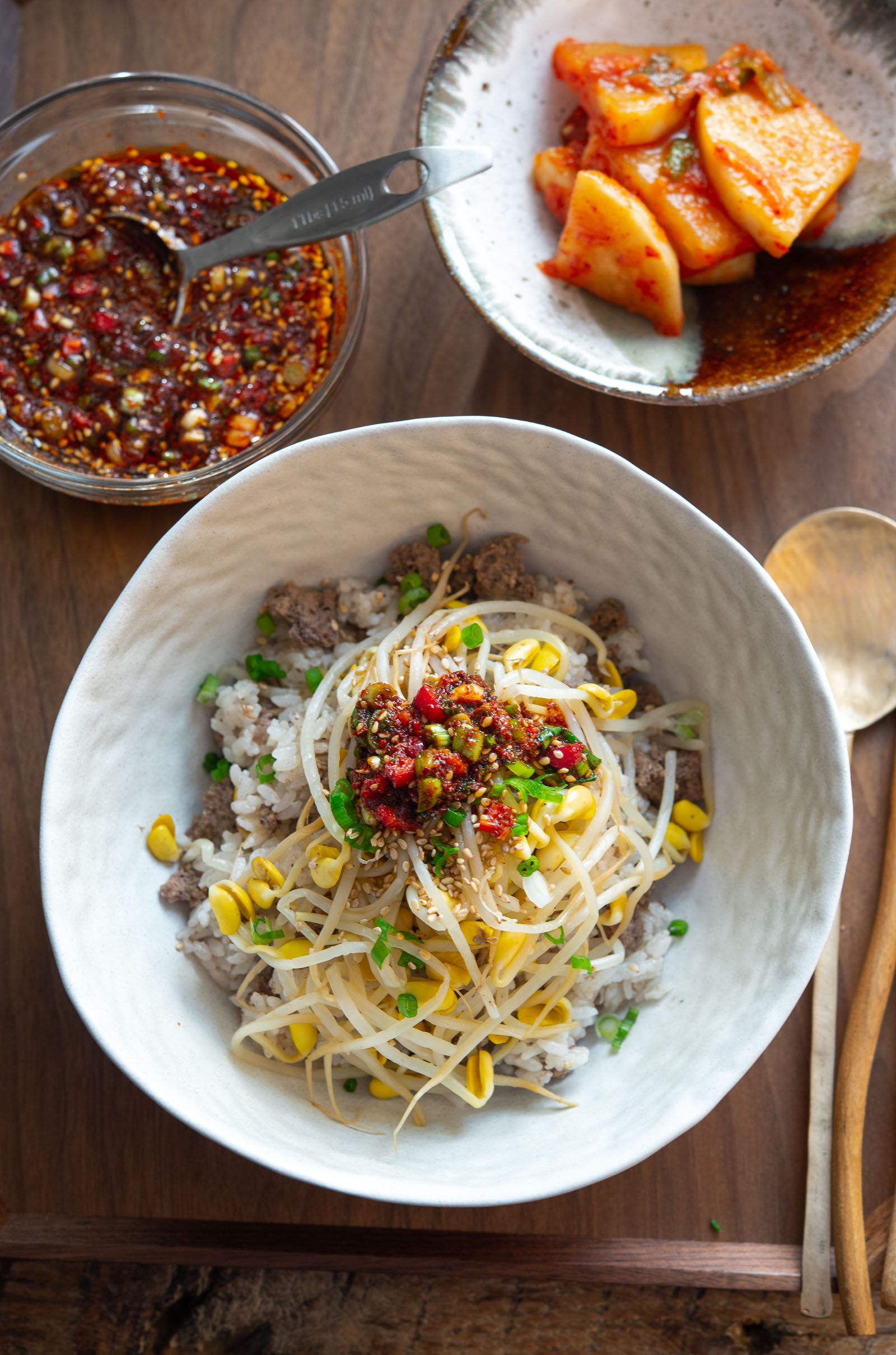
Have a packet of soybean sprouts in the fridge and no dinner plan? This is a good place to start. Kongnamul bap (콩나물밥) is one of those underrated Korean dishes I recommend to anyone, even if you’re just getting comfortable in the kitchen.
It’s easy on the grocery budget and asks very little of the cook. No fancy equipment, no elaborate preparations. My version has a small flavor boost that makes this humble meal even more savory.
My Flavor Boost for Kongnamul Bap
If you enjoy bibimbap, give this simpler rice bowl a try. Instead of preparing several toppings separately, I cook the rice, seasoned beef, and soybean sprouts together in one pot.
My little flavor boost is Korean tuna sauce (chamchi aek). I add it to the cooking water so the rice absorbs that extra savory flavor as it cooks. The yangnyeomjang goes on at the table, but the rice is already savory before you add it.
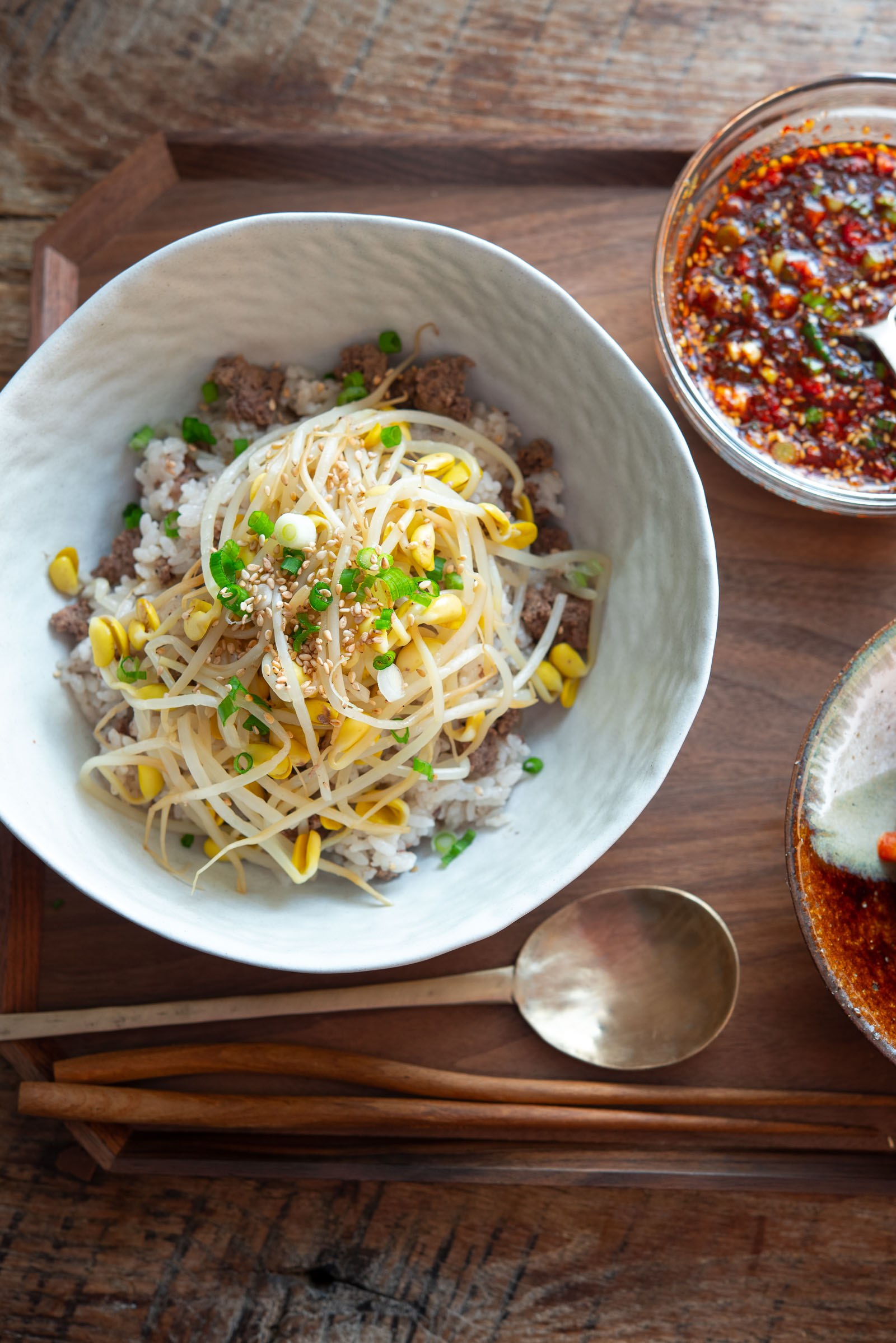
I keep the sprouts on top during cooking, then lift most of them out before mixing the beef through the rice. Arranging them back on each bowl takes an extra moment, but it lets those pretty yellow soybean heads show.
Ingredients That Make a Difference
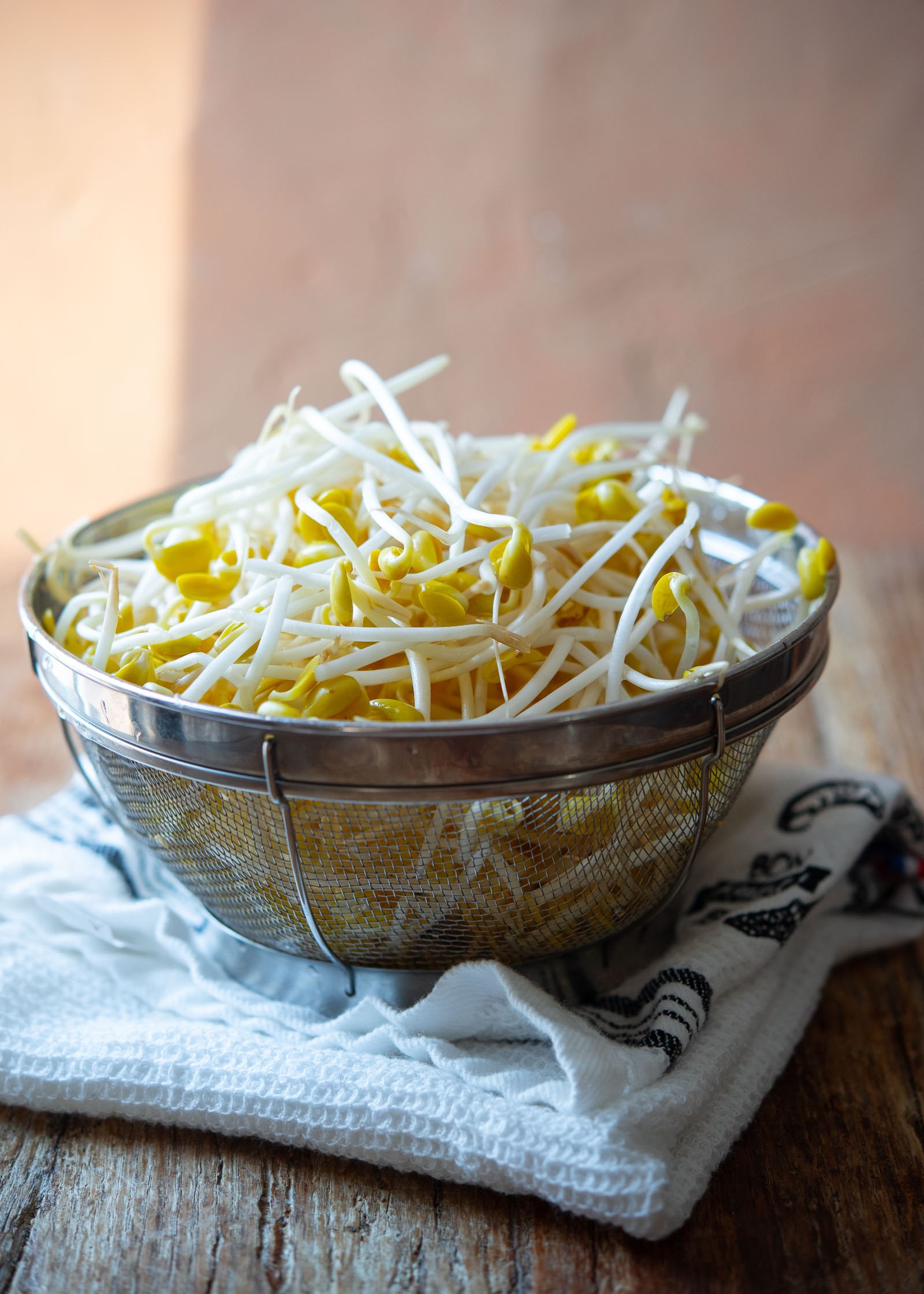
Soybean sprouts (kongnamul): Look for sprouts with large yellow heads, rather than the smaller mung bean sprouts. Those soybean heads give this rice bowl its characteristic nutty flavor. Rinse well and discard any discolored beans.
Rice: Korean short-grain white rice gives this bowl its familiar tender, slightly sticky texture. Use the measured cooking liquid in the recipe card.
Ground beef: I use 90–93% lean ground beef to keep the rice from becoming greasy. It mixes easily through the rice after cooking.
Korean tuna sauce (chamchi aek): A little in the cooking water adds savory depth. This is a bottled Korean liquid seasoning, separate from canned tuna or its juices.
Yangnyeomjang: A soy sauce-based seasoning made with everyday Korean staples like gochugaru, sesame oil, and green onion.
How to Make Kongnamul Bap on the Stovetop
Prepare and layer
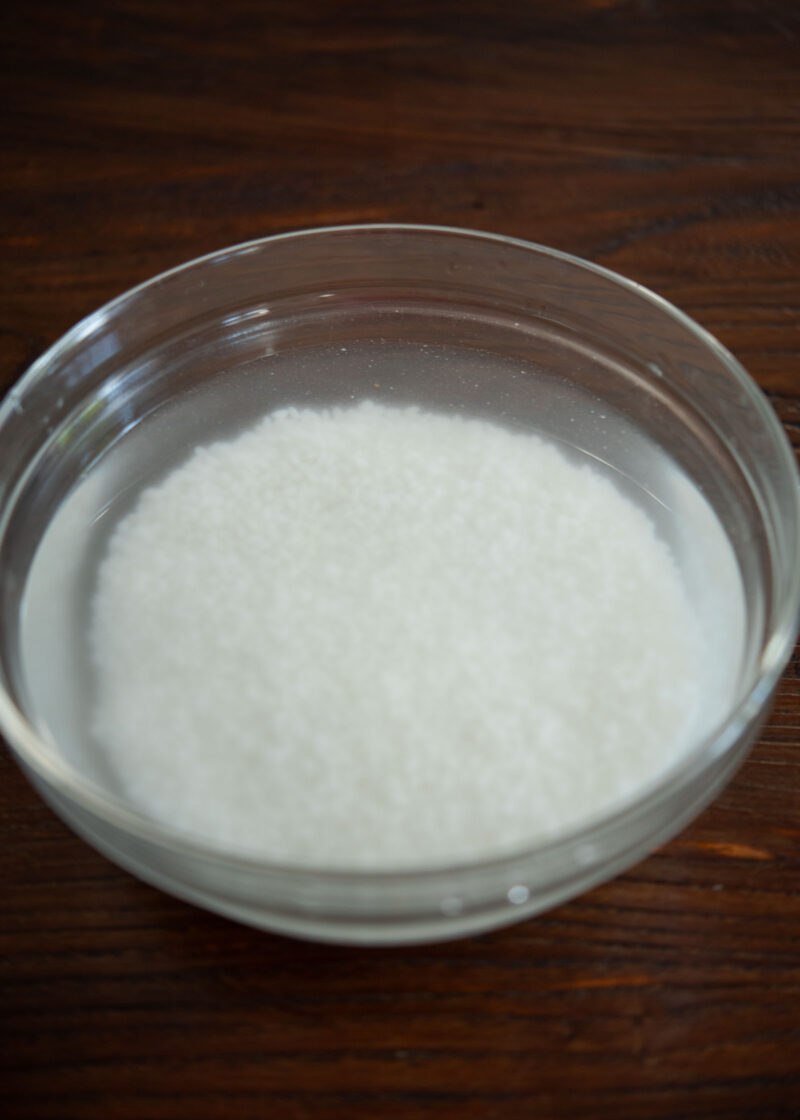
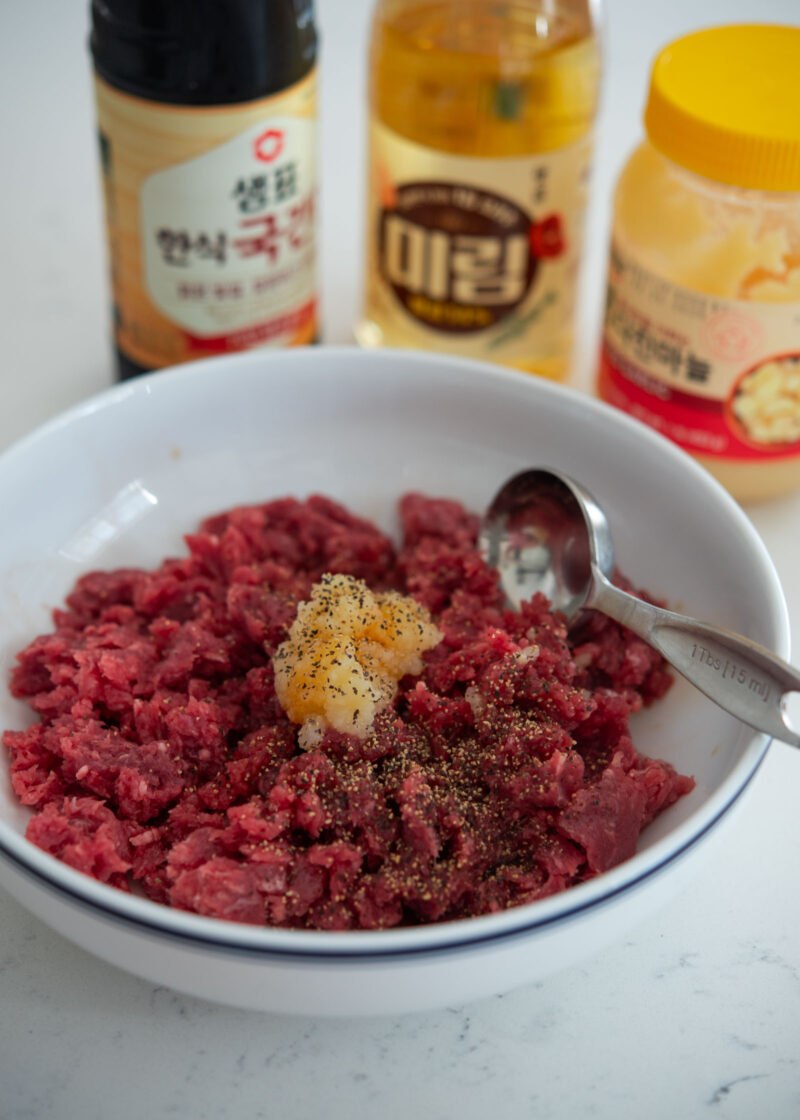
I give the rice a short, 10-minute soak in cold water, then drain it. Meanwhile, season the ground beef with minced garlic, soup soy sauce, sweet rice wine, and pepper.
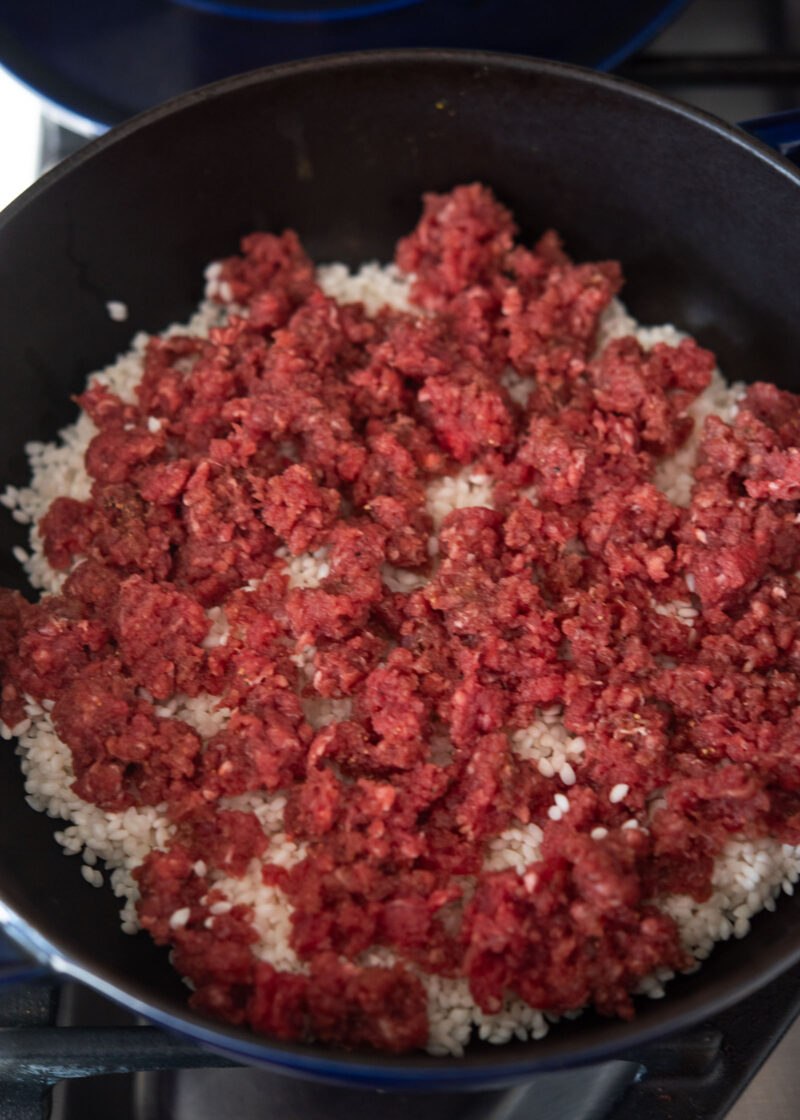
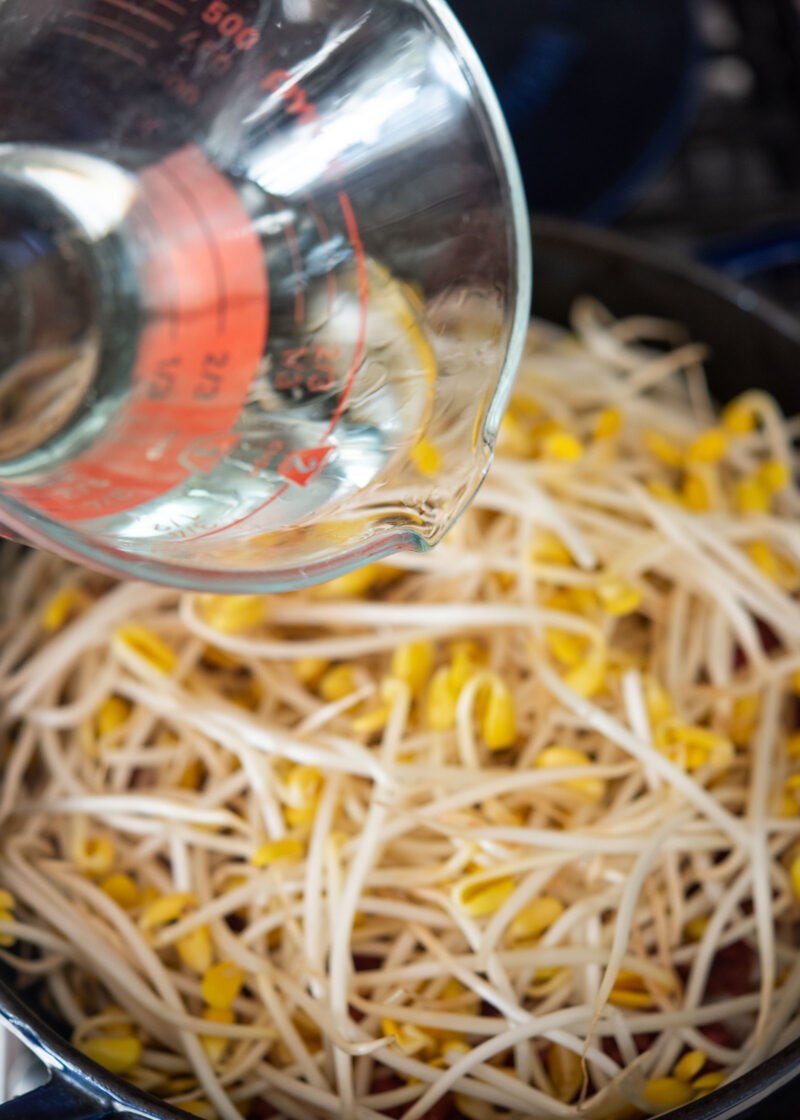
Spread the drained rice in the pot, followed by the seasoned beef, then the soybean sprouts. Keep the sprouts on top rather than mixing everything together. Stir the tuna sauce into the measured fresh water and pour it over the layers.
Hyegyoung’s note: Soybean sprouts release plenty of moisture as they cook, so I use less water than I would for plain stovetop rice. Too much liquid can leave the rice soggy. The amount in the recipe card accounts for the short soak and the moisture from the sprouts. If you enjoy vegetables cooked right into your rice, try my Korean radish rice (mubap), too.
Cook, then let the rice rest
Listen for the bubbling, then lower the heat in stages as directed in the recipe card. This lets the rice finish cooking gently without scorching the bottom.
Once the heat is off, leave the pot covered for another 5 minutes. In Korean cooking, we call this tteum deurigi (뜸 들이기): letting the rice rest in the trapped heat and steam so the moisture distributes more evenly and the grains finish cooking.
Keep the lid closed during this rest. Opening it releases the heat and steam that are still doing their work.
Finish without burying the sprouts
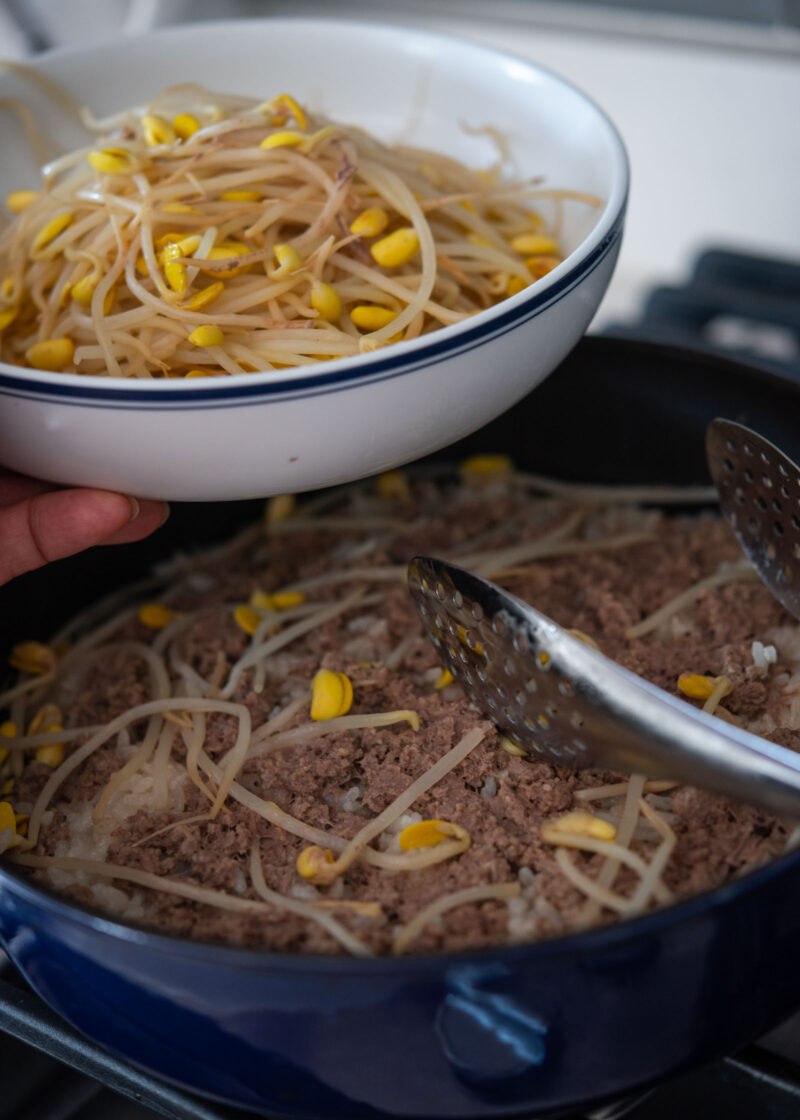
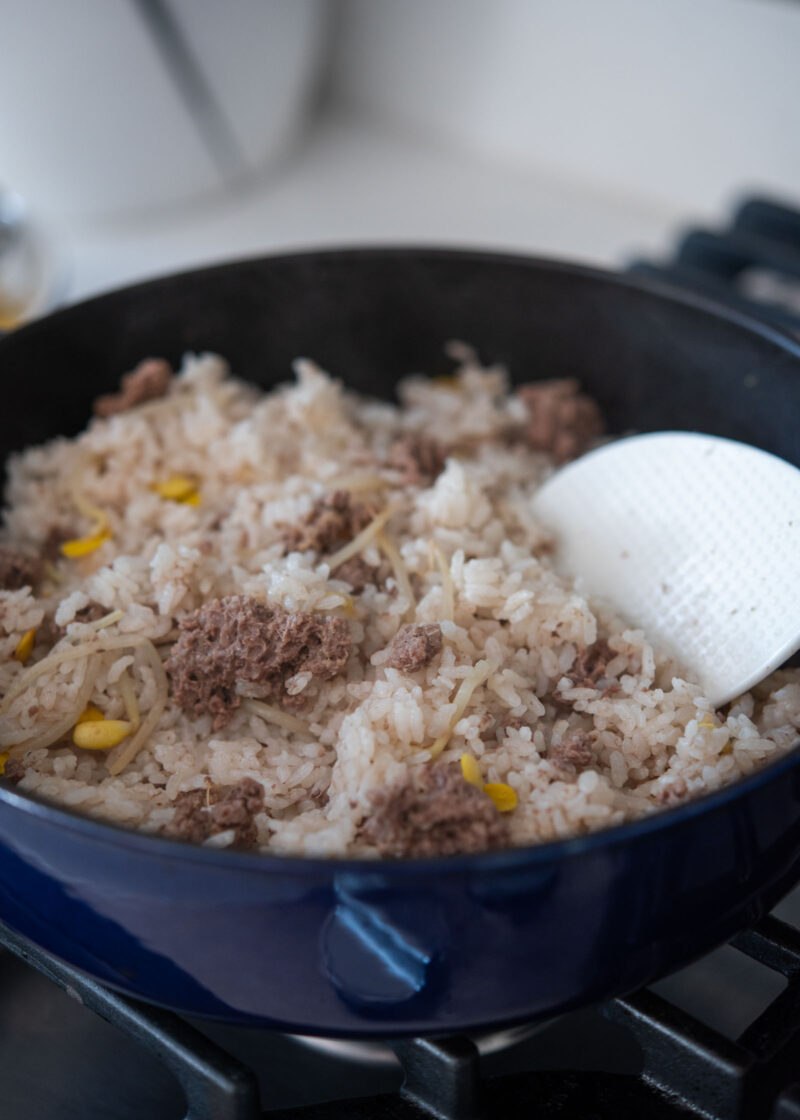
Lift most of the cooked sprouts into a separate bowl, then gently mix the beef through the rice, breaking up any larger clumps.
I spoon the beef and rice into individual bowls and arrange the sprouts on top. It’s a small extra step for a neater presentation, with those yellow soybean heads visible instead of tucked away in the rice.
Prefer using a rice cooker? See the recipe card notes for that method.
Bring It Together with Yangnyeomjang
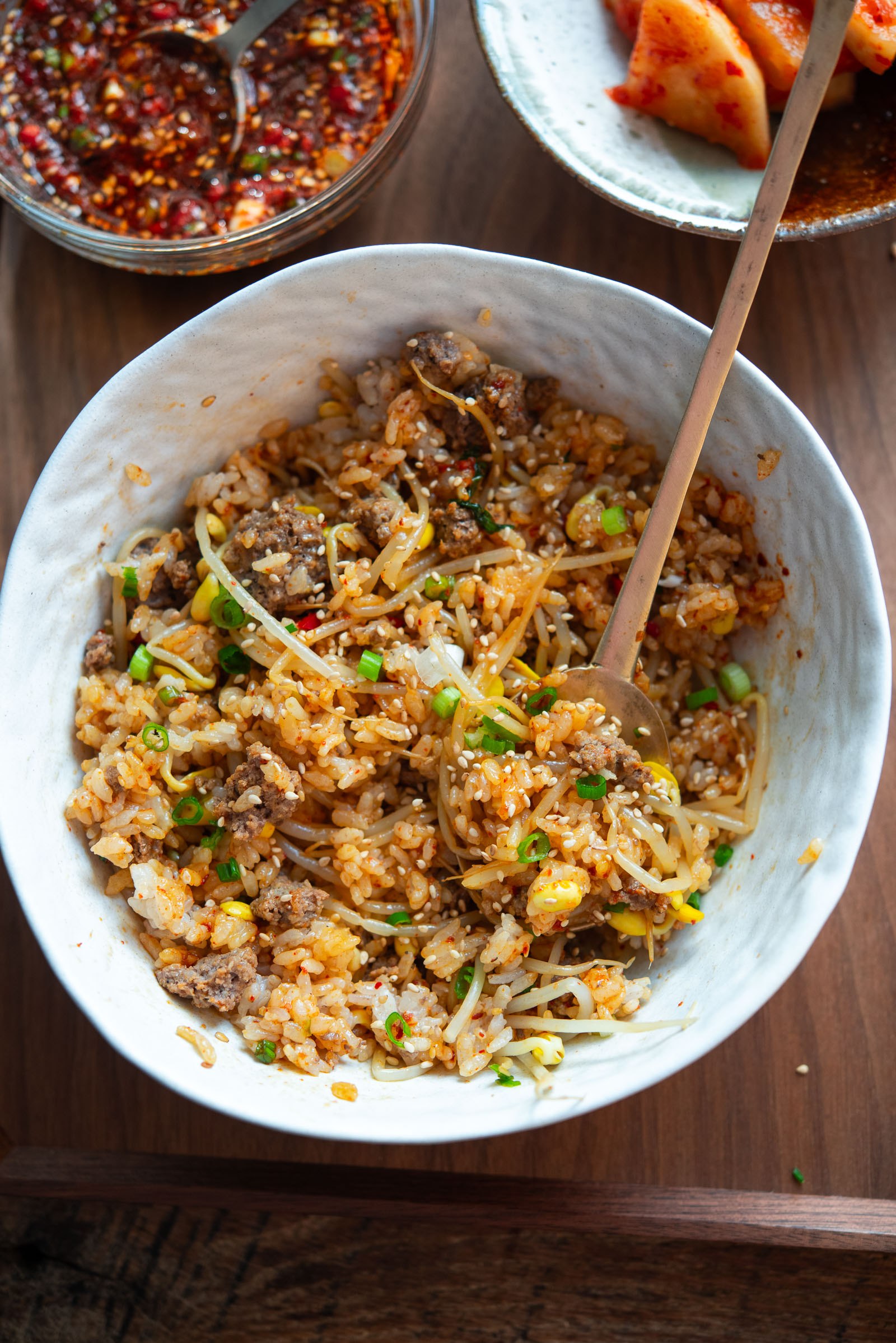
Spoon a little yangnyeomjang over the sprouts, then mix it through the rice and beef before taking a bite. Start with a small amount and add more to taste. The rice already has savory flavor from the tuna sauce, so you may need less than you think.
A side of kimchi is all you need to round out the meal. Crunchy radish kimchi, like the one pictured here, is a lovely match.
For more everyday meal ideas, browse my Korean rice dishes, from simple rice bowls to family favorites.
Love this recipe? Rate it and share your experience in the comments below! On Instagram? Tag me to showcase your creation. For more delicious recipes, subscribe to our newsletter!

Kongnamul Bap (Soybean Sprout Rice with Beef)
Ingredients
- 1½ cups (about 300 g) short-grain white rice, rinsed
- 1 lb (450 g) soybean sprouts
- 1 cup + 5 tbsp (315 ml) water
- 1 tbsp (15 ml) Korean tuna sauce
For ground beef
- 12 oz (340 g) ground beef, 90–93% lean preferred
- 1½ tbsp (23 ml) Korean soup soy sauce
- 1 tbsp (9 g) minced garlic
- 1 tbsp (15 ml) Korean sweet rice wine (mirim)
- a few dashes black pepper
Yangnyeomjang sauce
- 5 tbsp (75 ml) soy sauce
- 1 tbsp (15 ml) water
- 1½ tbsp (9 g) gochugaru (Korean chili flakes)
- 1 tbsp (15 ml) Korean tuna sauce
- 1½ tbsp (23 ml) Korean plum extract, or 2 tsp sugar
- 2 tbsp (30 ml) sesame oil
- 2 green onions, finely chopped
- 1 fresh chili pepper, finely chopped, optional
- 2 tbsp (18 g) toasted sesame seeds
Instructions
- Prepare the rice and sprouts: Soak the rinsed rice in cold water for 10 minutes, then drain well. Rinse the soybean sprouts and discard any discolored beans. Drain.
- Season the beef: Mix the ground beef with the minced garlic, soup soy sauce, sweet rice wine, and black pepper.
- Layer the ingredients: Spread the drained rice evenly in a heavy-bottomed pot with a tight-fitting lid. Distribute the seasoned beef over the rice in small pieces, then place the soybean sprouts on top. Do not stir.
- Add the cooking liquid: Mix the water with the Korean tuna sauce and pour over the layered ingredients.
- Cook the rice: Cover and bring to a boil over medium-high heat. When you hear bubbling, reduce the heat to medium-low and cook for 5 minutes. Reduce the heat to low and cook for another 5–7 minutes. Turn off the heat and let rest, covered, for 5 minutes. Keep the lid closed throughout cooking and resting.
- Make the sauce: While the rice cooks, stir together all the yangnyeomjang ingredients in a small bowl.
- Mix and serve: Transfer most of the cooked sprouts to a separate bowl. Gently mix the rice and beef, breaking up any large clumps of beef. Divide among serving bowls and arrange the sprouts on top. Serve with yangnyeomjang on the side, adding a little at a time and mixing to taste.
Darling!
You are the best: you bring this yummie recipes and they immediately become an object of desire from must-do-soon recipe list.
Simply mouthwatering!!!
Wonderful guest post and endlessly proud of you!
Have a fantastic week, dear friend!
@Ivy
Thanks, Ivy.
I have lots of recipe ideas and tips, and happy to share with people who loves Korean food.
Great work. Beautiful blog with simple yet fascinating korean recipes. Your tips are valueable for me and your step by step pictures are simply captivating. I love korean food. Thumbs up !
I like this!
Yes, Bee is sweet!
@LimeCake
Yes, it does. I can't imagine this world without rice!
i love simple dishes like this. rice makes everything delicious!