

Yakgwa (Traditional Korean Honey Cookies)
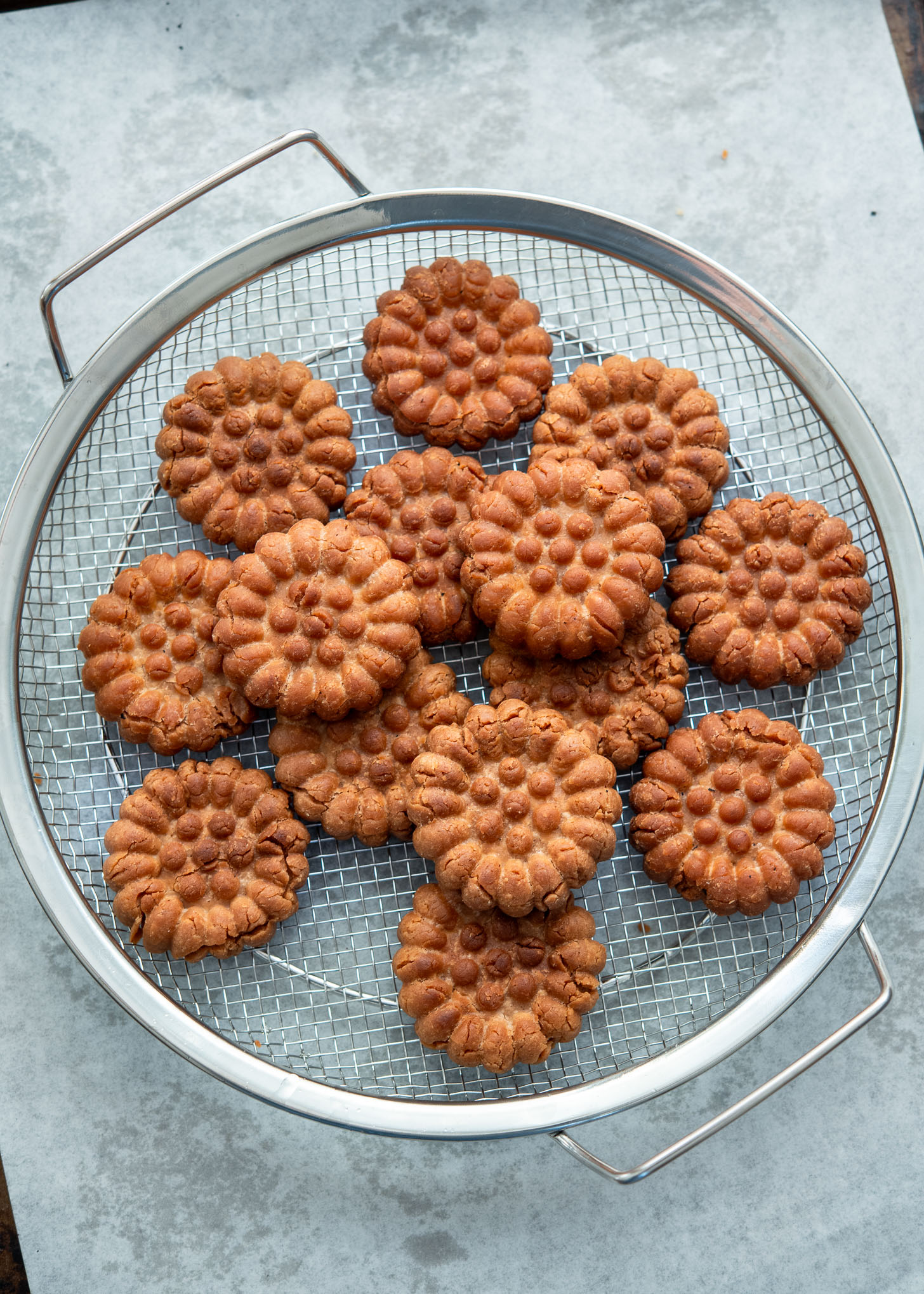
Slow-fried dough and a ginger-honey soak create this chewy Korean honey cookie. Traditional yakgwa is a long process, but mostly hands-off and perfect for holiday sweets.
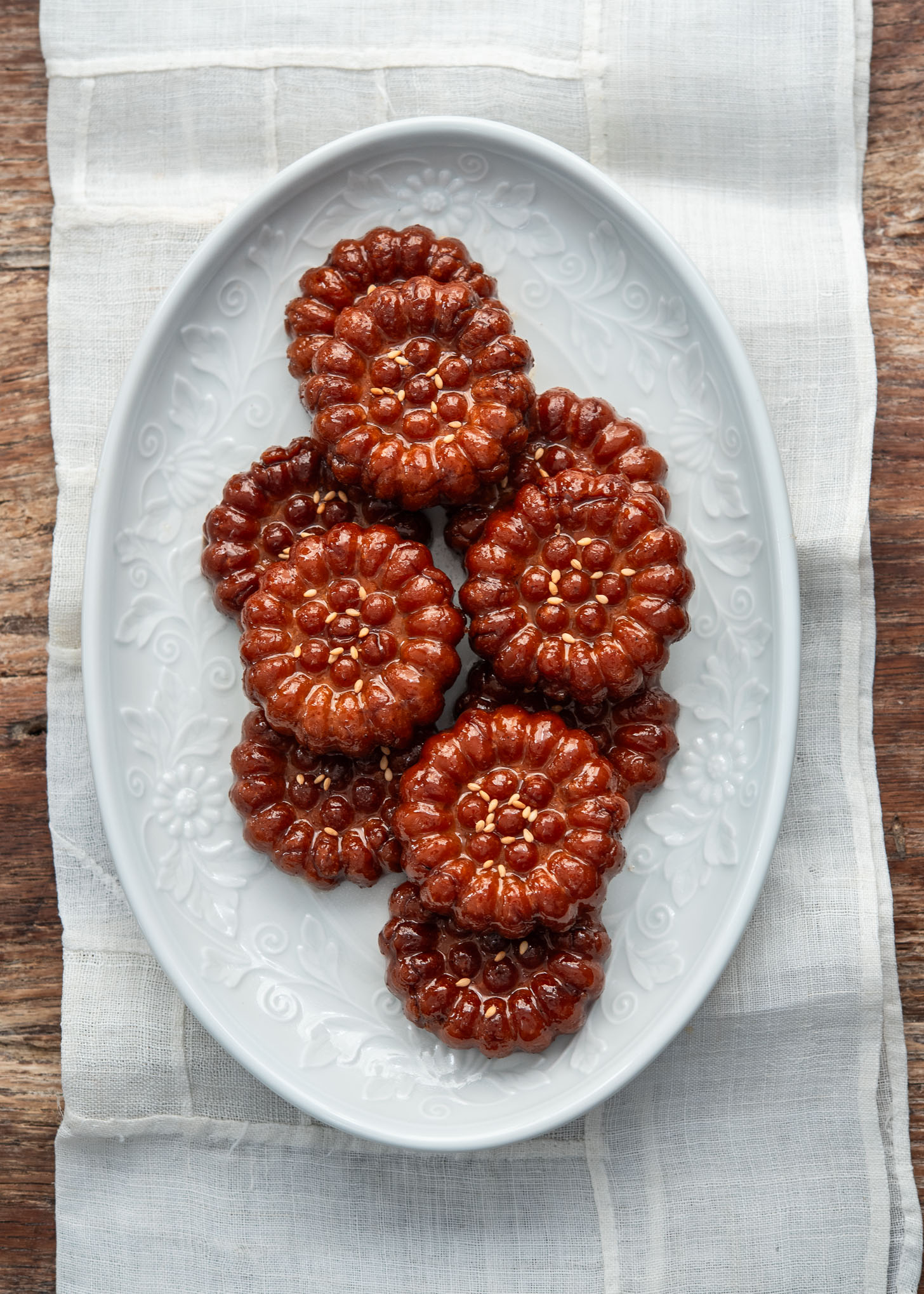
When I moved back to Seoul a few years ago, I was surprised to see yakgwa (약과) suddenly everywhere. Dessert shops, cafés, gift boxes—you name it. I loved watching this old-school treat make such a big comeback.
Yakgwa follows me through so many memories from holidays to family gatherings to my mom and aunts shaping each piece while I “helped” at the speed of a distracted toddler. It takes a little time to make, but the ginger-honey aroma and that chewy-crisp bite always remind me why it’s worth it.
Get new recipes via email:
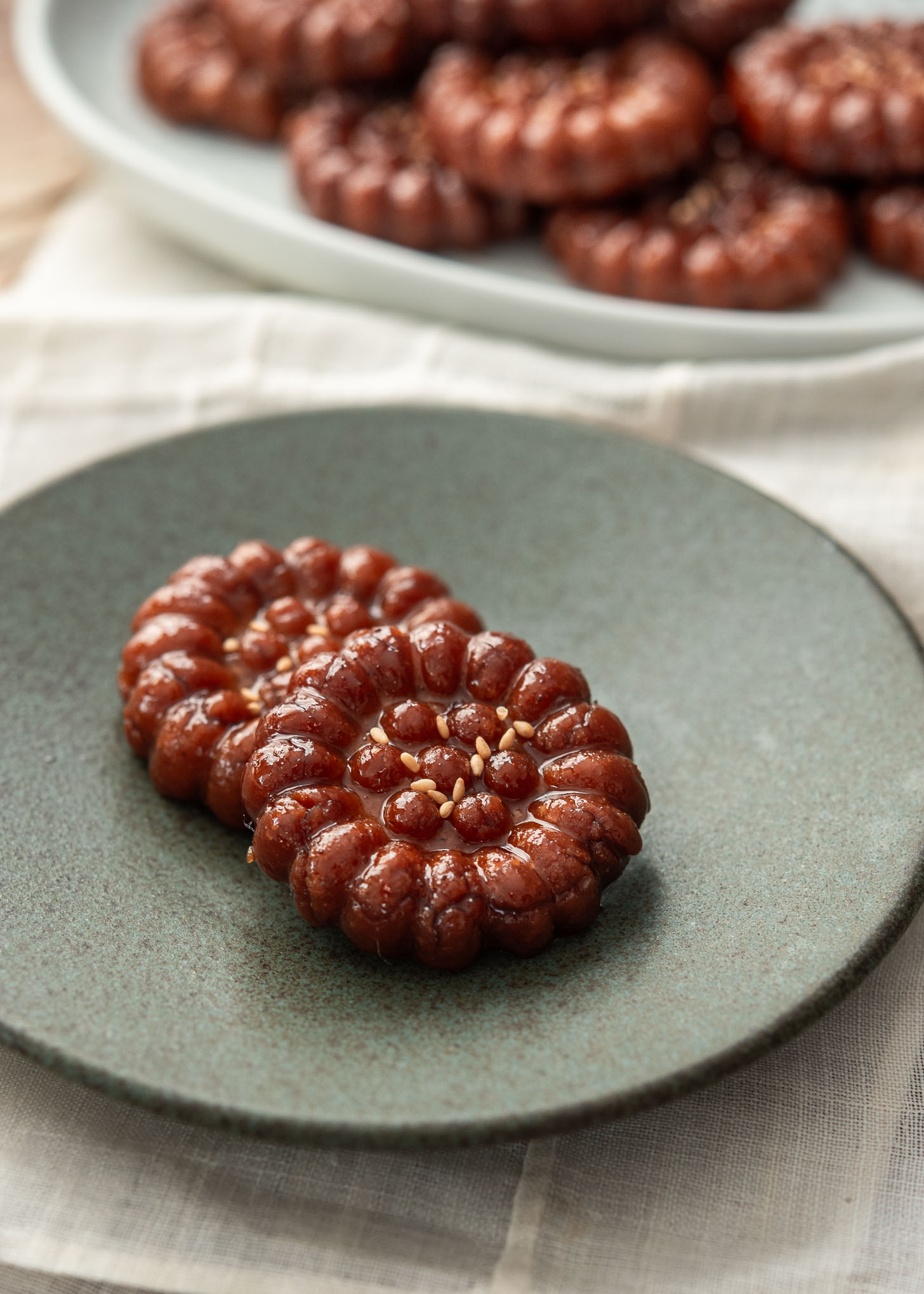
And look at them. They’re golden, glossy, and completely soaked in gingery syrup. Soft in the center, lightly crisp on the edges, and the kind of treat you plan to share but somehow don’t. The recipe spans two days, although most of the time is just passive soaking. The actual work is simple, especially if you use a mold.
One tiny warning before you fall in love: they’re deep-fried, not baked. Which probably explains why they taste so good.
If you like old-style Korean sweets, you might enjoy my yakshik too—it has that same ginger-spice warmth but in a rice cake form
The Best Mold for Shaping Yakgwa
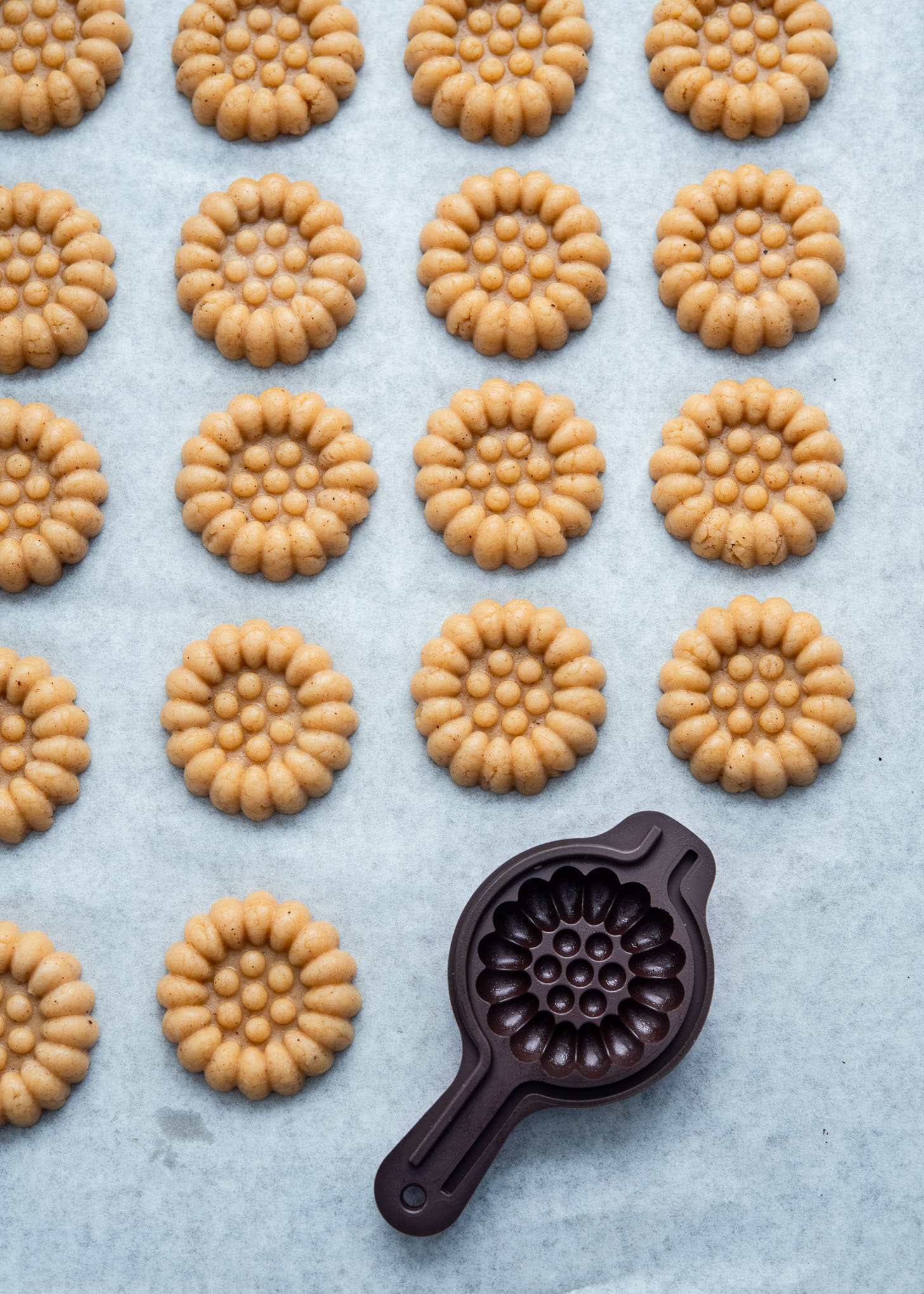
Shaping yakgwa is much easier when you have the right mold. Traditional molds are carved from wood, and while they’re beautiful, I’ve always struggled to pop the dough out cleanly. The dough sticks, the pattern smudges, and the process slows to a crawl.
A silicone yakgwa mold is a game-changer. It has the same classic flower pattern, but the flexible material lets you release the shaped dough in seconds. If you’re making a bigger batch, this saves a surprising amount of time (and frustration).
If you don’t have a mold, don’t panic. You can slice the dough into simple squares or triangles. Many home cooks in Korea actually prefer this rustic version because it’s quicker and still tastes exactly the same.
Why Yakgwa Dough Uses Oil Instead of Butter
If you want that soft, syrup-soaked texture, oil makes all the difference. Oil coats the flour and keeps the dough tender, so your yakgwa fries up light and absorbs syrup easily. That’s what gives it that soft, slightly layered bite.
Butter works against you here. It adds structure, which makes the cookie firmer and less able to soak up the syrup. I always use a neutral oil. It gives you a softer crumb and that classic glossy finish without weighing the cookie down.
Essential Ingredients for Korean Honey Cookies
Flours: I use a mix of all-purpose flour and sweet rice flour. Yakgwa has no leavener, so using only all-purpose flour makes the cookies hard. Sweet rice flour adds the chewiness and tenderness that give yakgwa its signature texture.
Sesame Oil: Toasted Korean sesame oil gives yakgwa its signature nutty aroma. Rubbing it into the flour coats the grains and keeps the dough tender, helping create the delicate, crumbly texture yakgwa is known for.
Rice syrup (jocheong): This thick, glossy syrup is made by reducing rice and malt. It gives yakgwa that subtle malty sweetness you can’t replace with corn syrup. Every Korean grocery store sells it, and it’s easy to find online.
Honey + sugar: These build the syrup glaze and deepen the flavor. Honey also helps give that classic shine.
Ginger + Cinnamon: Fresh ginger slices give the syrup a clean, warm fragrance, and a pinch of ground cinnamon adds that classic old-Korea flavor. You can use ginger powder if needed, but fresh ginger tast
Yakgwa: Step-by-Step Method for Traditional Korean Honey Cookies
To make the cookie dough
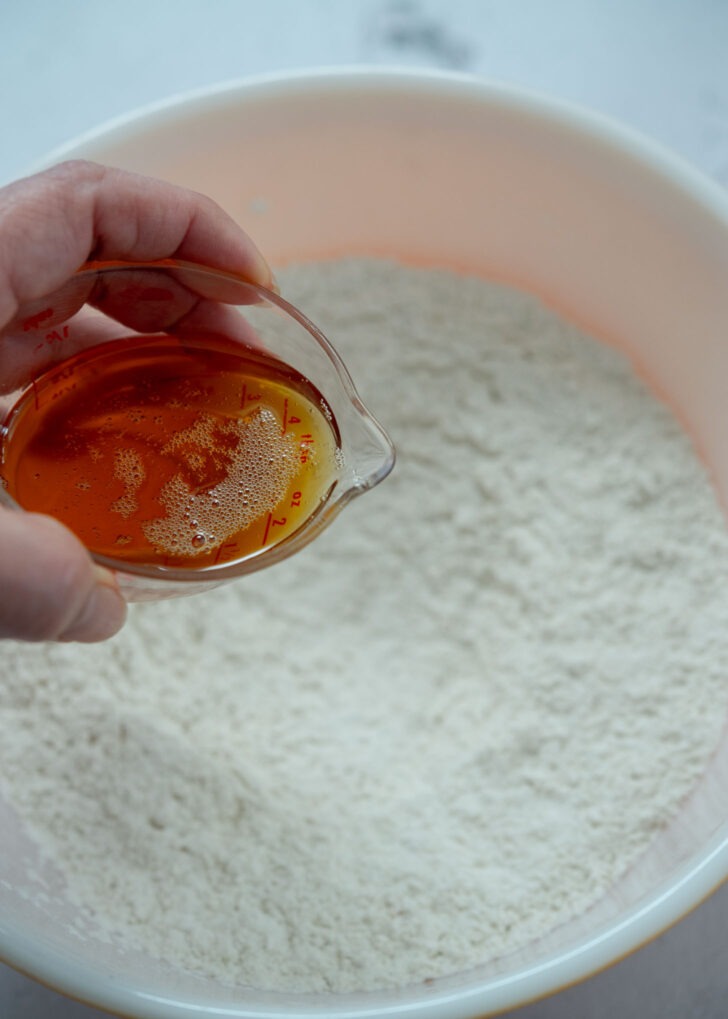
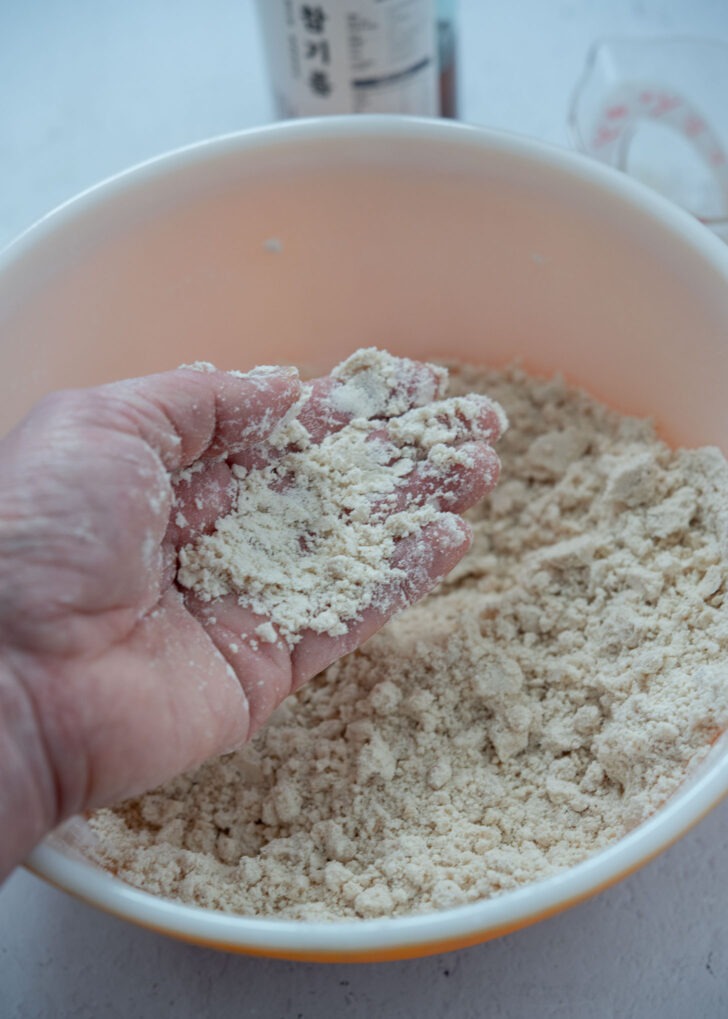
Whisk the flours and cinnamon in a bowl. Drizzle in the sesame oil a little at a time and rub the mixture with your fingertips until it turns into fine, sandy crumbs.
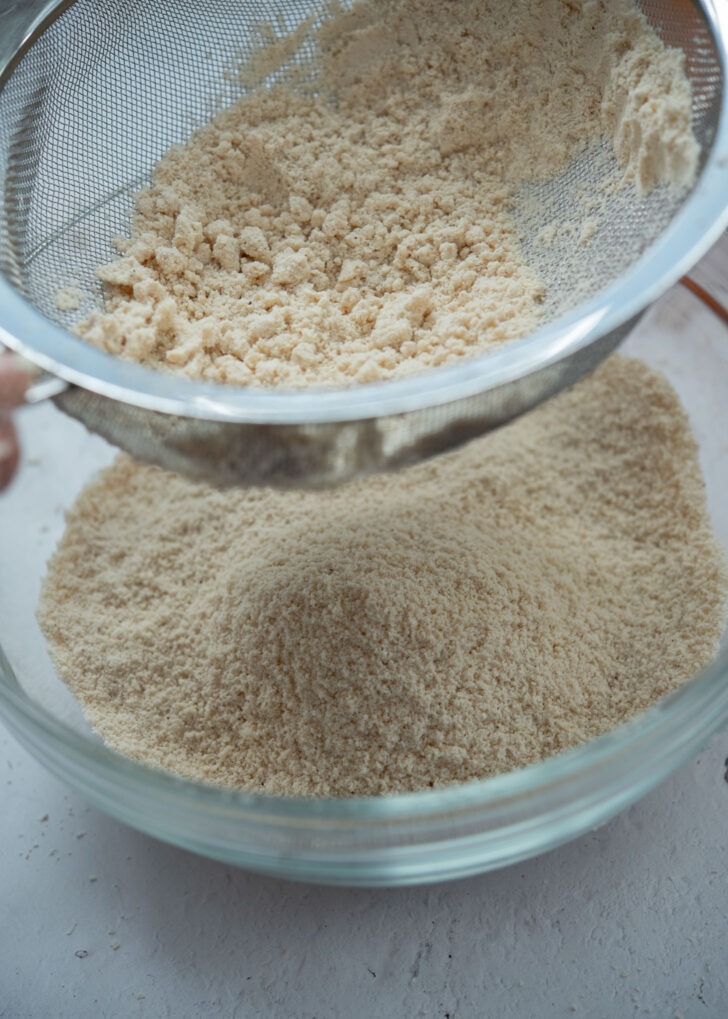
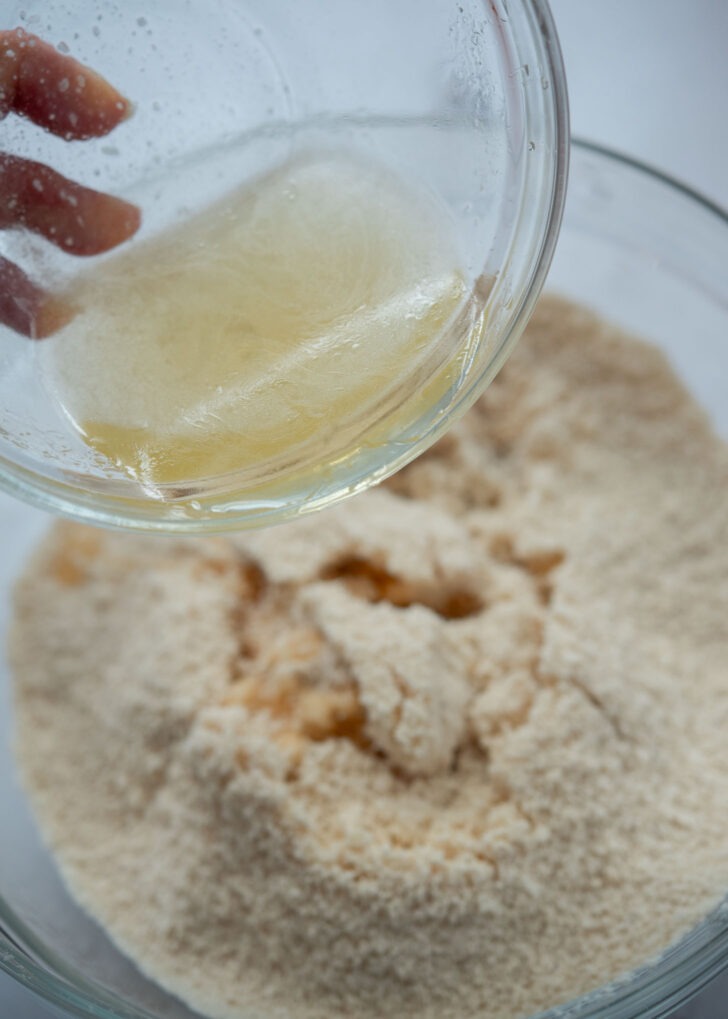
Sift the mixture through a sieve to keep the texture light. In a separate bowl, mix the hot water, honey, sugar, and salt, then add it to the flour mixture.
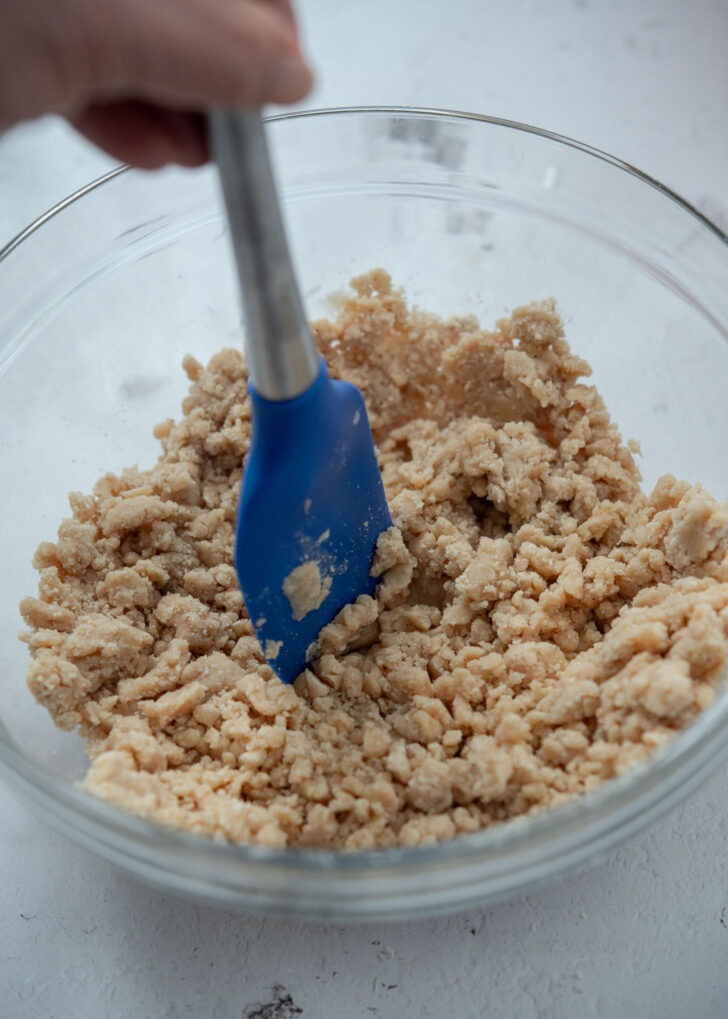
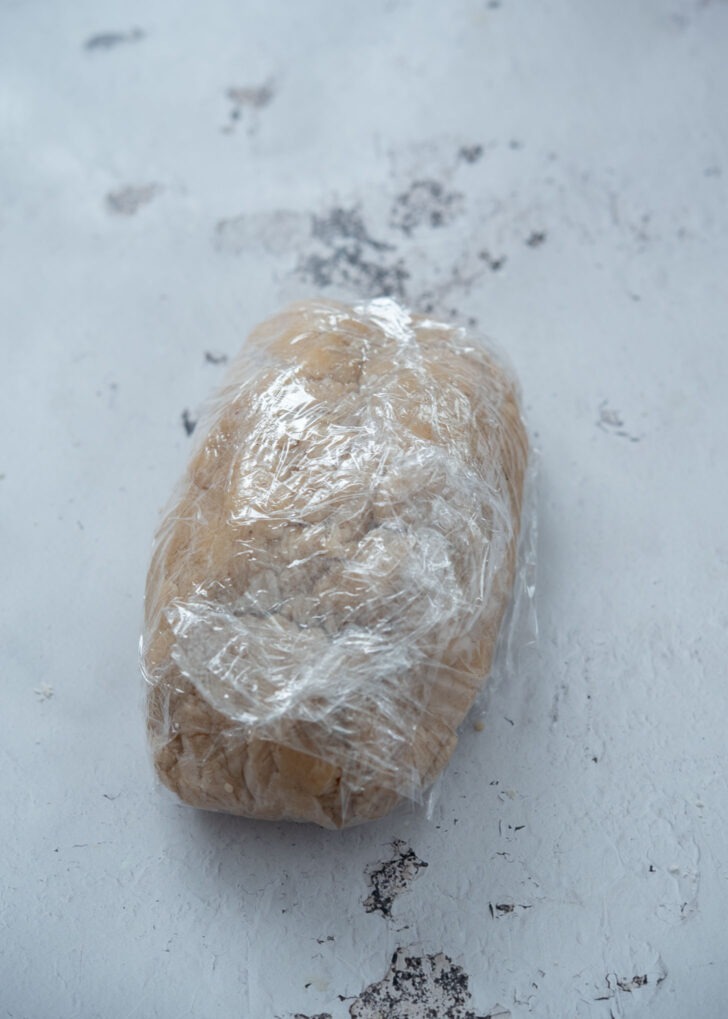
Use a spatula to bring the dough together with gentle cutting motions. Don’t mash or knead — keeping the gluten relaxed is the secret to tender yakgwa. Wrap the dough and chill it for about an hour.
To make the ginger honey syrup
This syrup is called jipcheong (집청). It’s a simple blend of Korean rice syrup (jocheong), honey, cinnamon, ginger, and water, simmered until thick and drippy.
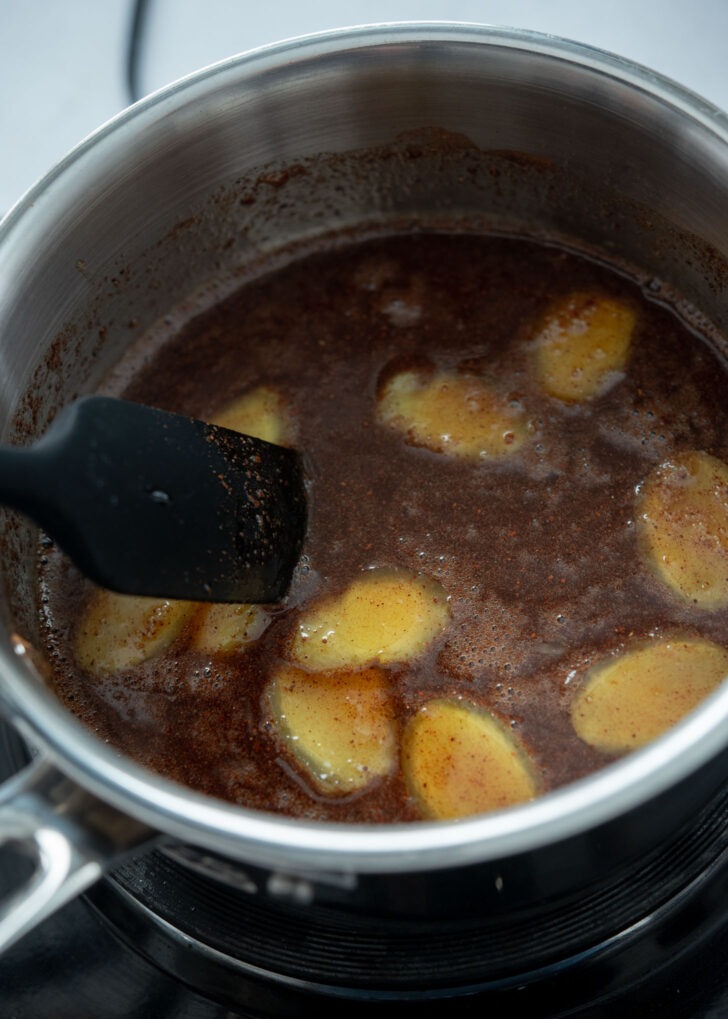
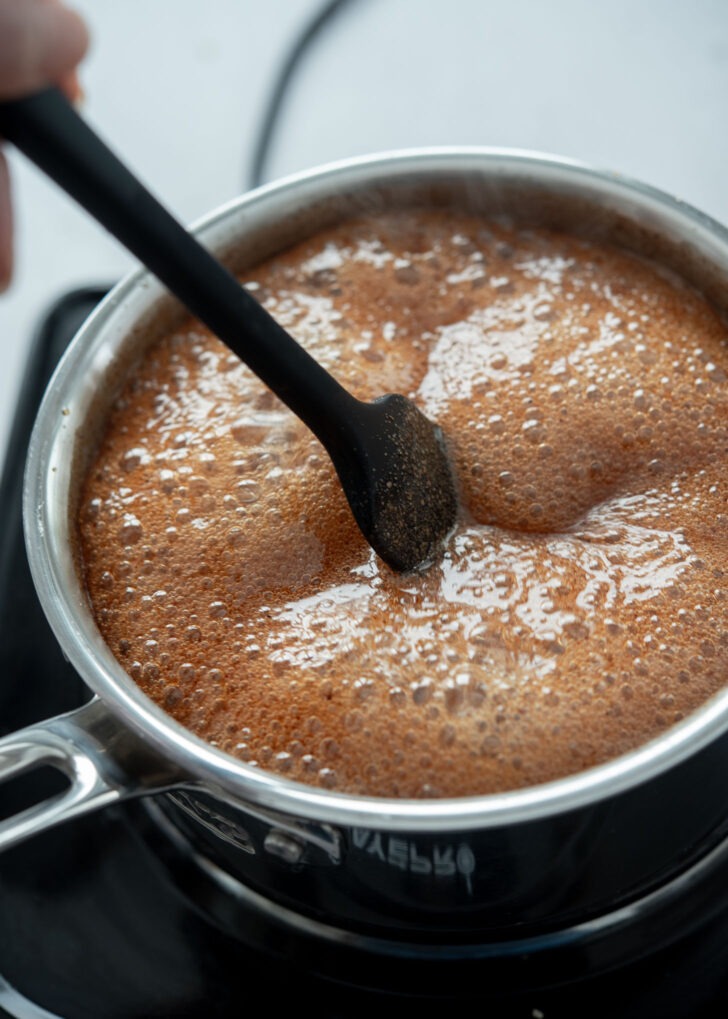
Combine everything in a saucepan and bring it to a boil. Lower the heat and let it simmer until the syrup falls in slow droplets. The video in the recipe card shows the exact consistency. Let the syrup cool completely.
Tip: Use a deep pan. Jocheong foams up as it boils and loves to surprise you.
To shape the cookies
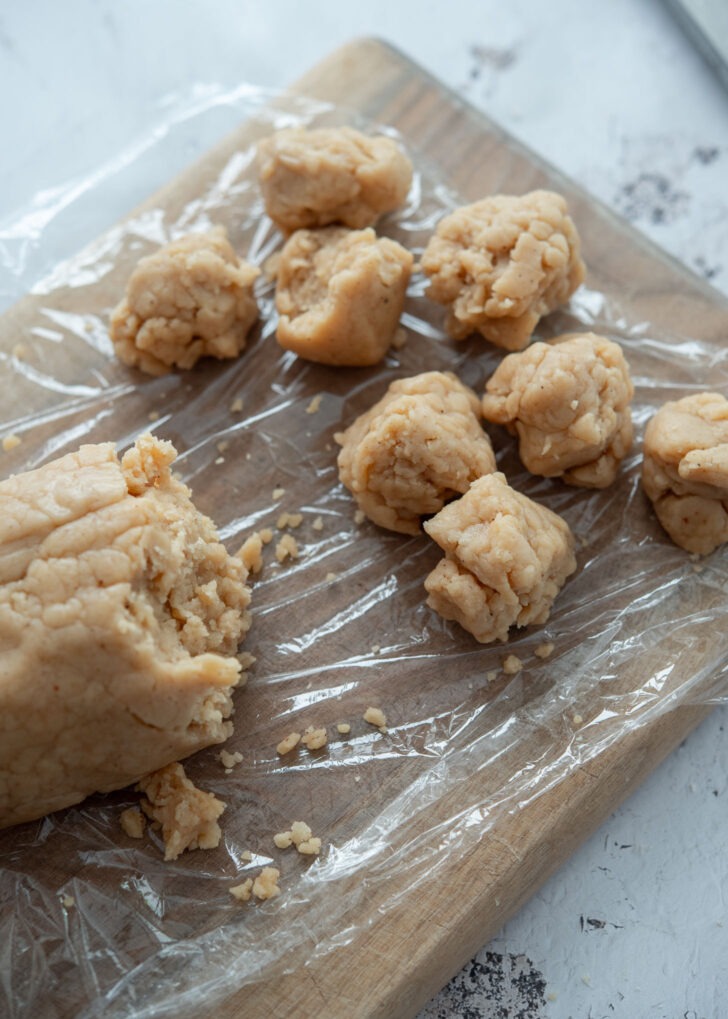
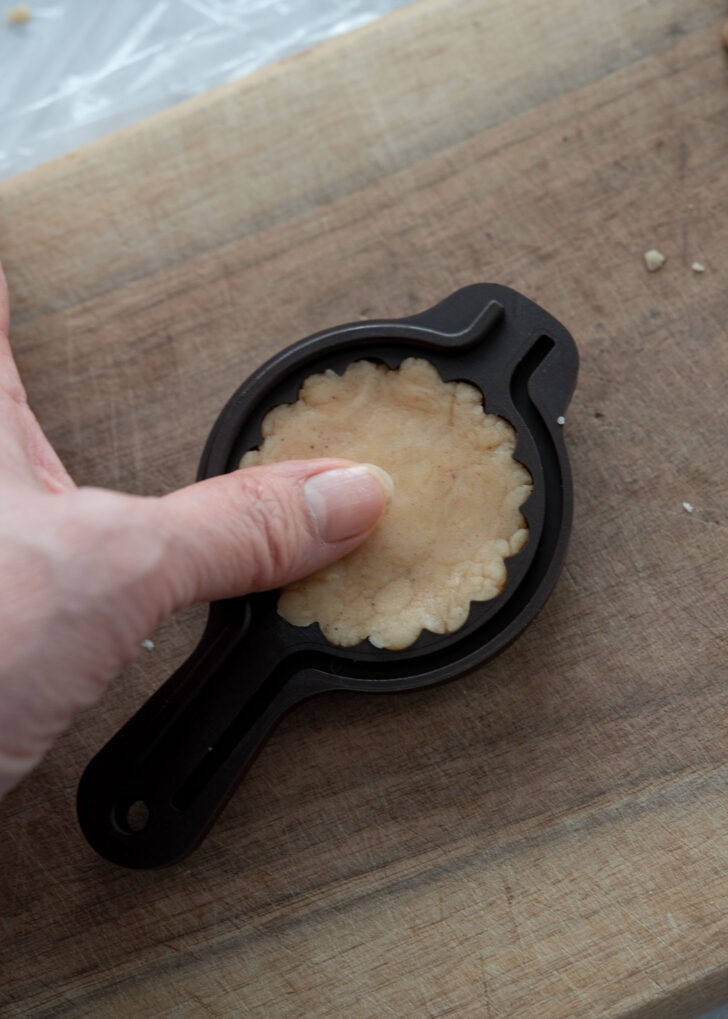
Portion the dough into 24–25 g pieces. Press each piece gently into the mold and smooth the surface.
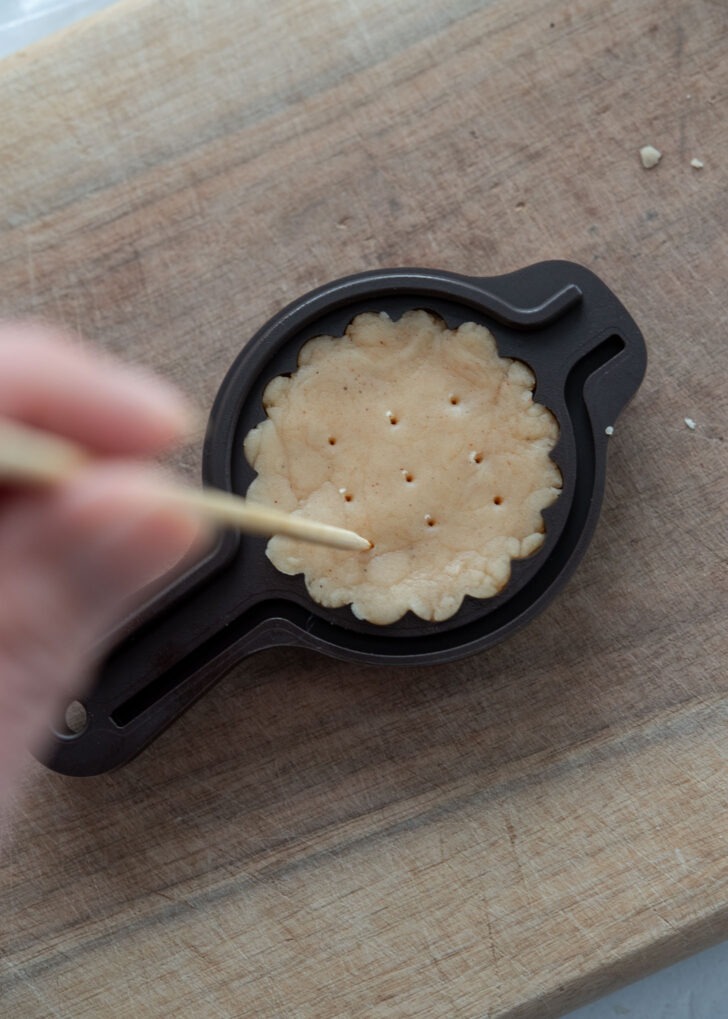
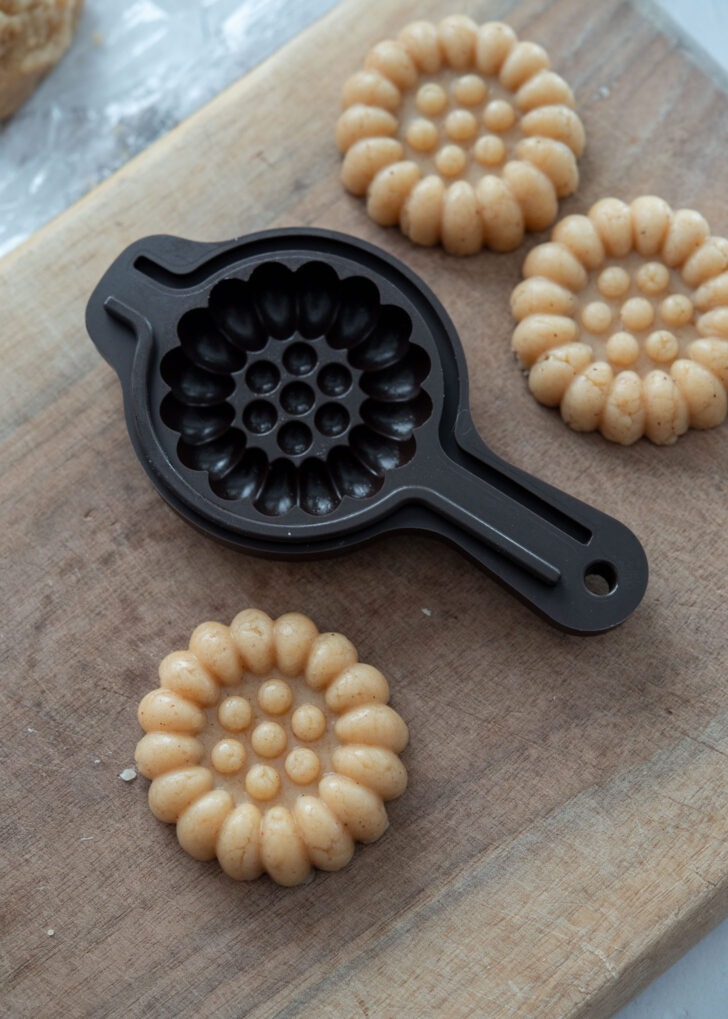
Use a toothpick to poke small holes in the back. This helps the oil reach the center so the cookies fry evenly and hold their shape. Pop the patterned dough out of the mold.
To fry and soak the yakgwa
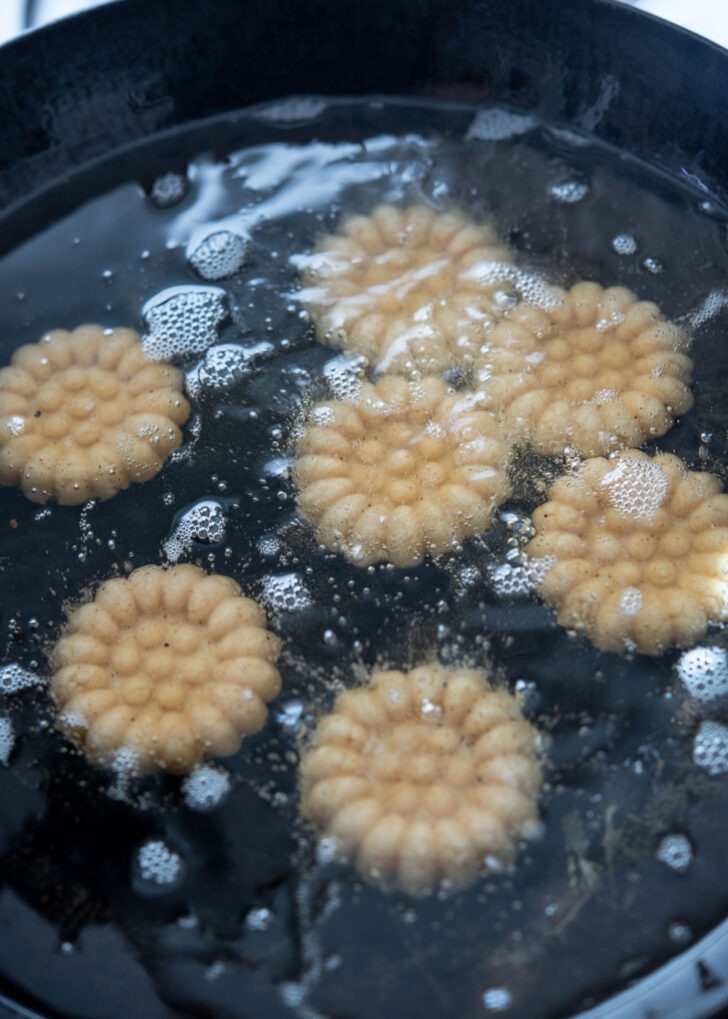
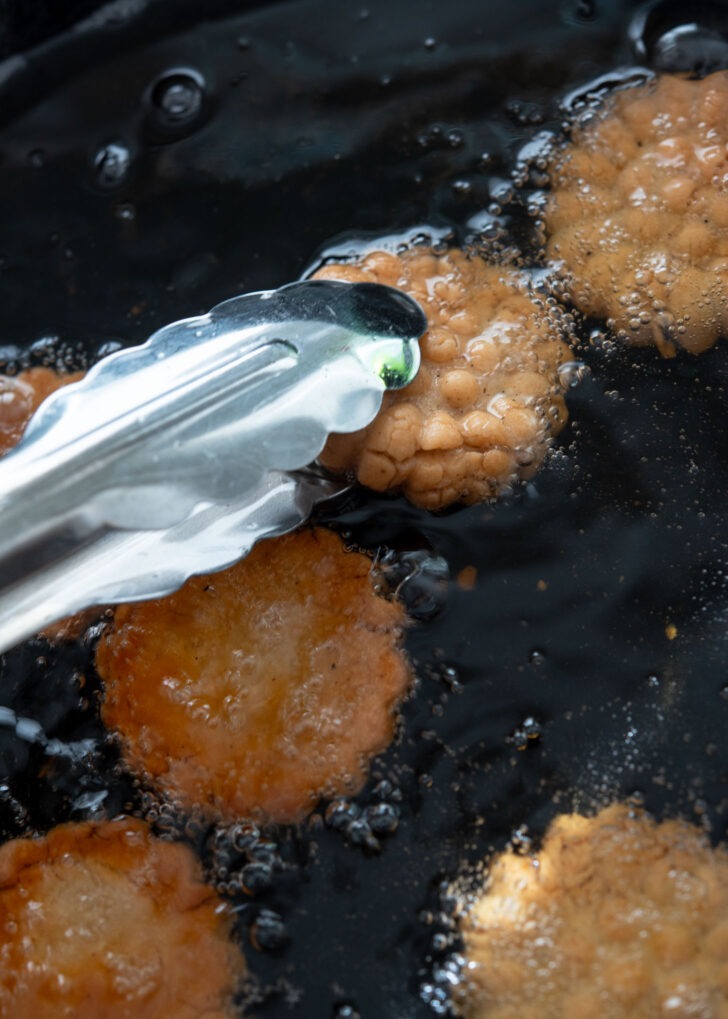
Fry the cookies in low-temperature oil (around 130°C, 265°F). Traditional yakgwa cooks low and slow — about 5 minutes per side. If your cookies brown too quickly, your oil is too hot.
Keep the Heat Low to Prevent Burning
Fry on medium-low heat from the start. If the oil is too hot, the outside browns too fast while the inside stays undercooked. Look for small, steady bubbles, not aggressive sizzling. The dough should rise slowly and turn light golden. This slow fry gives you an even texture and helps the cookie absorb syrup properly.
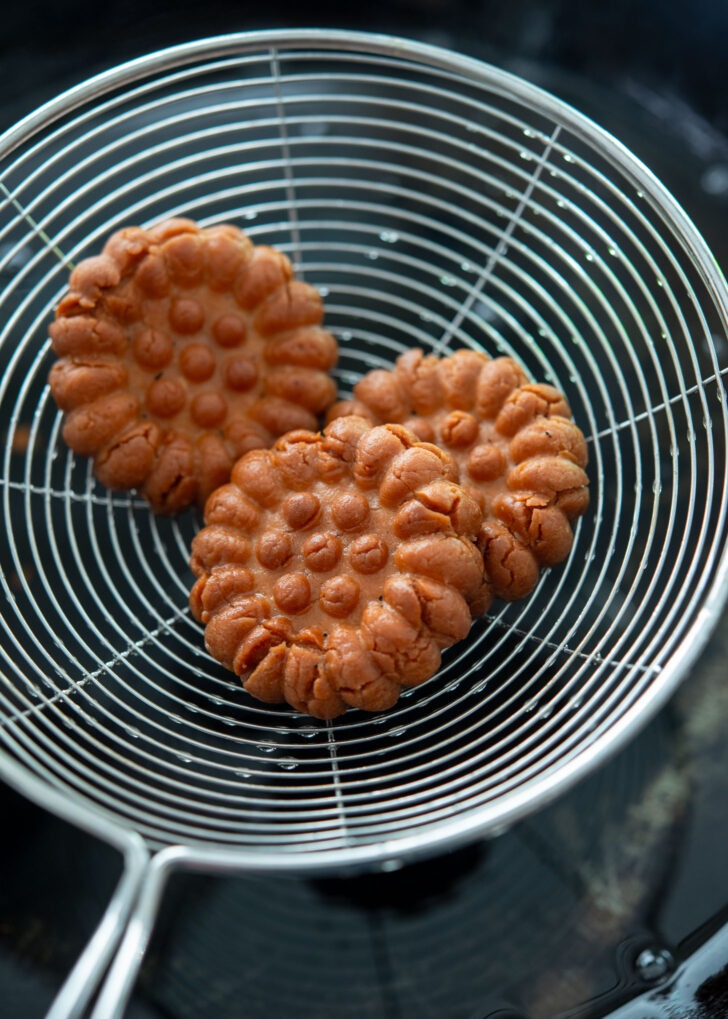
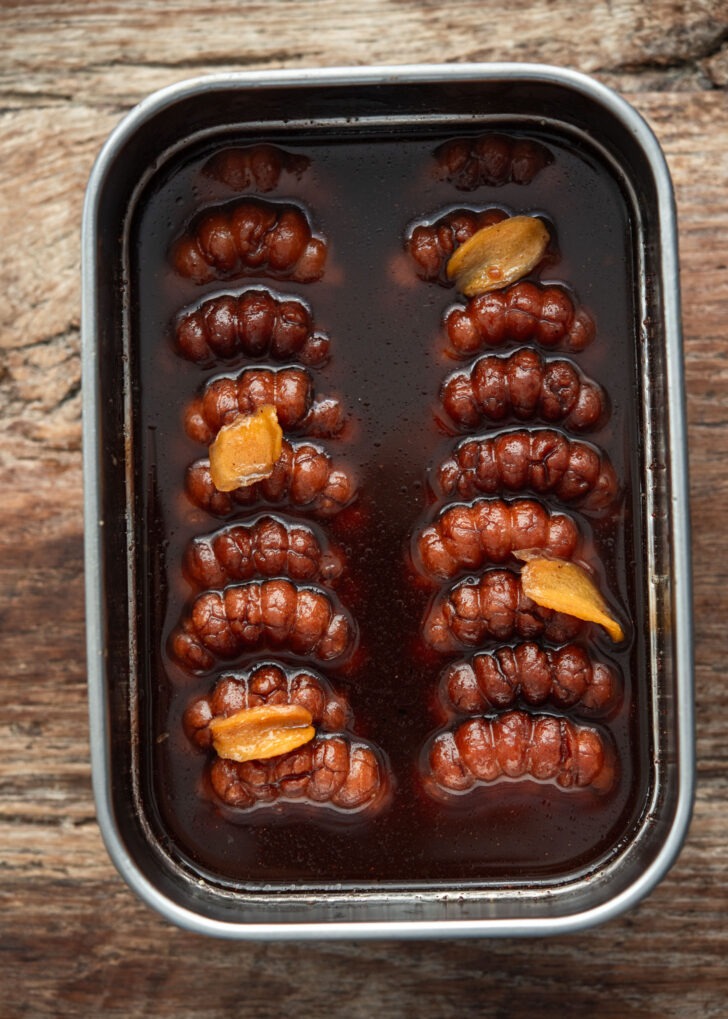
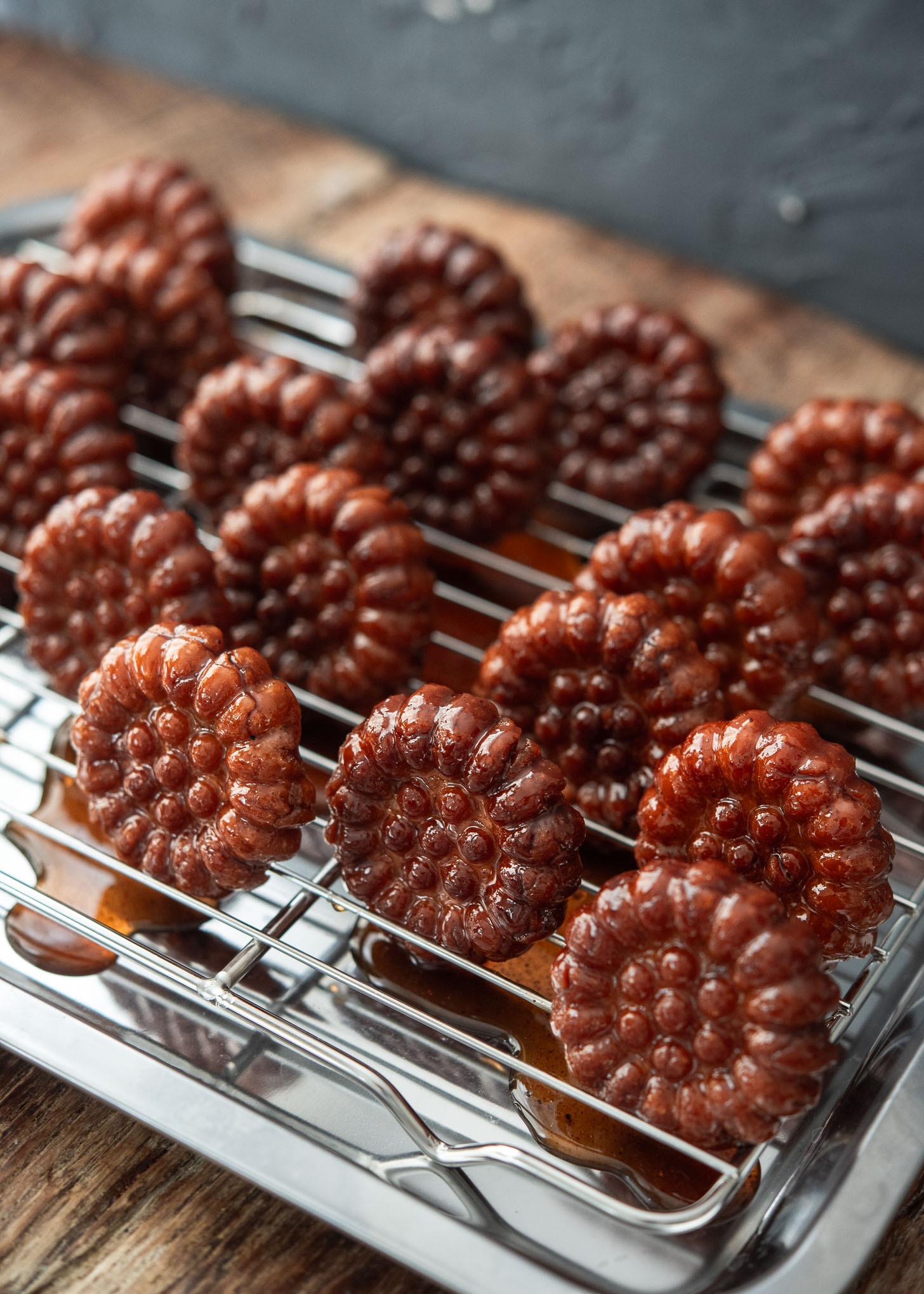
Drain the fried cookies and stand them slightly upright in a snug container. Pour the cooled ginger-honey syrup over them. The syrup should cover most of the cookies; use a smaller container if needed. Cover and soak for 24–48 hours. This long soaking time is what gives yakgwa its chewy, sticky, fully infused texture.
Tip: If the syrup doesn’t fully cover the cookies, turn them every few hours for even soaking.
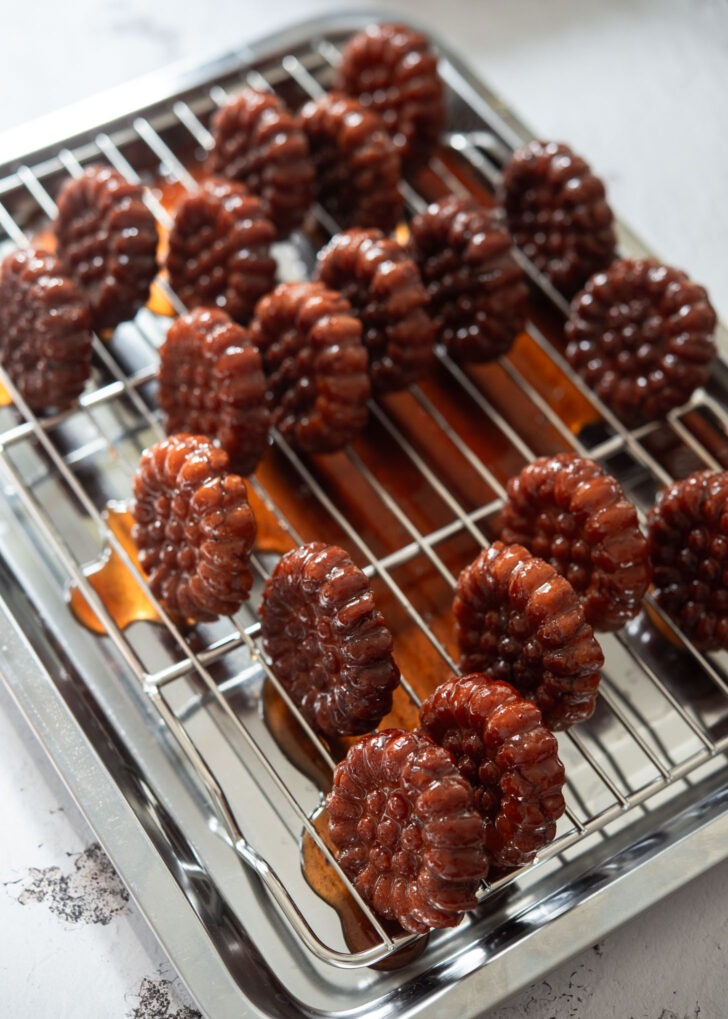
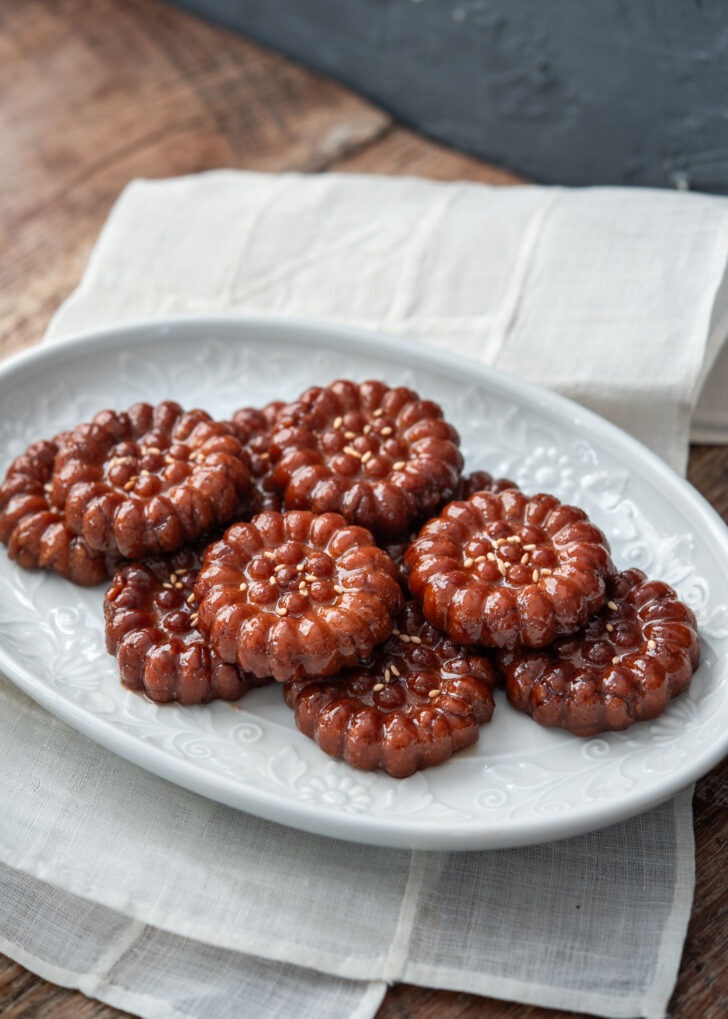
After soaking, place the cookies on a rack to drip off excess syrup and let the surface dry slightly — 3 to 4 hours. The yakgwa should feel lightly tacky, not wet. Add a sprinkle of sesame seeds if you like.
How Yakgwa Should Feel When It’s Done Right
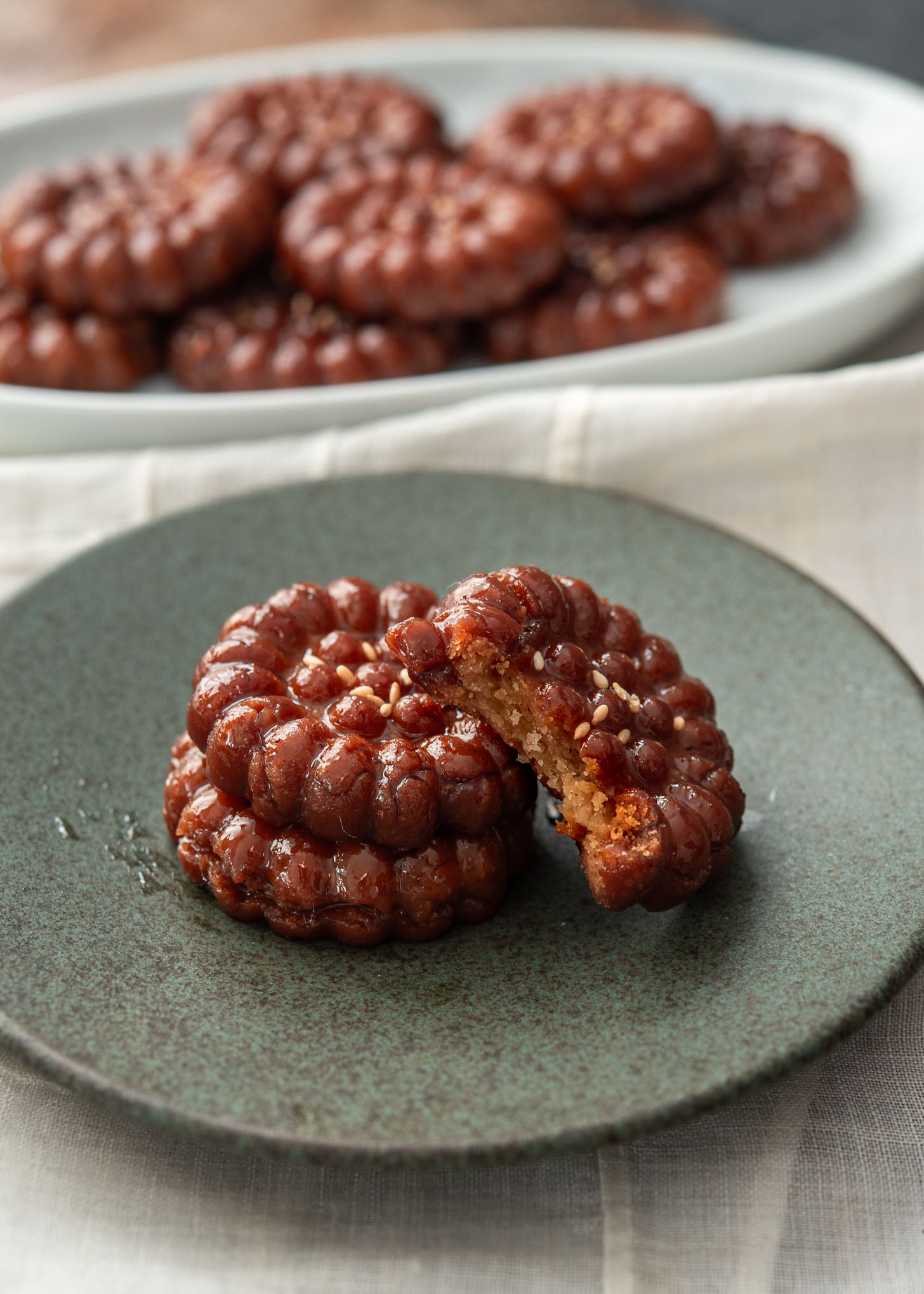
When you bite into it, the outside should feel lightly firm, not hard. The inside should be soft and slightly layered, almost tender and airy. It shouldn’t feel greasy or dry. The syrup should be absorbed, giving it a gentle chew with a light sheen, not dripping. If it feels dense or overly crisp, it likely fried too hot or didn’t soak long enough.
Store and Serve Yakgwa (and When Koreans Enjoy It)
Yakgwa keeps well thanks to its honey-ginger syrup. Store it in an airtight container at room temperature for up to 5–7 days. It stays soft, and the flavor deepens over time. For longer storage, refrigerate up to 2 weeks and bring to room temperature before serving.
You can also freeze it. Freeze in a single layer, then transfer to a container. Thaw at room temperature. The texture comes back nicely without drying out.
In Korea, yakgwa is often served with tea or during holidays and special occasions. See my Korean holiday foods roundup to see what Koreans enjoy in holidays. I like it with sujeonggwa. The cinnamon and ginger balance the sweetness in a really nice way.
Love this recipe? Rate it and share your experience in the comments below! On Instagram? Tag me to showcase your creation. For more delicious recipes, subscribe to our newsletter!
Yakgwa (Korean Honey Cookies)
Recipe Video
Ingredients
For the dough
- 1¾ cup (210 g) all-purpose flour
- ½ cup (80 g) sweet rice flour (chapssalgaru)
- ½ tsp (1.5 g) ground cinnamon
- 4 tbsp (60 ml) toasted sesame oil
- ½ cup (120ml) hot water
- ¼ cup (60 ml) honey
- 4 tbsp (50 g) sugar
- ½ tsp (2 g) salt
- oil, for frying
For the syrup (jipcheong)
- 1½ cup (375 ml) Korean rice syrup (jocheong)
- ⅔ cup (160 ml) honey
- 1 oz (30 g) fresh ginger, thinly sliced
- 1 tsp (3 g) ground cinnamon
- ⅔ cup (150 ml) water
Equipment
- yakgwa mold (silicone) see note below
Instructions
- Make the dough: In a bowl, whisk the all-purpose flour, sweet rice flour, and cinnamon. Add the sesame oil gradually and mix with your fingers until the mixture looks sandy. Combine hot water, honey, sugar and salt in a separate bowl. Pour into the flour mixture and stir gently with a spatula until the dough comes together. Wrap and chill for 1 hour.
- Prepare the syrup: Place jocheong, honey, ginger slices, cinnamon, and water in a saucepan. Bring to a boil, lower the heat, and simmer until the syrup thickens and drips slowly from a spoon, about 8-10 minutes. Set aside to cool.
- Shape the cookies: Portion the dough into 24–25 g (about 0.85–0.9 oz) pieces. Press each piece into a yakgwa mold and smooth the top. Use a toothpick to poke a few holes in the back, then gently remove the shaped dough.
- Fry the yakgwa: Heat the oil to 130°C (265°F). Place the pieces in the oil with the patterned side facing up and fry slowly for about 5 minutes per side, until lightly golden. Adjust the heat if they brown too quickly. Transfer to a rack or tray to drain excess oil.
- Soak in syrup: Arrange the warm cookies upright in a small container. Pour the cooled syrup over them so most of the cookies are submerged. Cover and soak for 24–48 hours.
- Finish and serve: Lift the yakgwa from the syrup and place on a rack for 3–4 hours to allow excess syrup to drip and the surface to dry slightly. Sprinkle with sesame seeds before serving if desired.
I love specialty molds for cookies! I make an Iraqi Date filled butter cookie that I bake in tiny fluted pastry tins, but they are traditionally molded in hand-carved wood molds and you are right about those being frustrating!
If you’ve ever seen eastern Med SILICON molds, would appreciate any info you could pass along.
Those Iraqi cookies sound wonderful! I actually purchased my yakgwa mold in Korea. So far, I haven’t come across a silicone mold outside Korea that replicates the traditional Korean pattern. That said, any shallow silicone mold should work well for shaping the dough, though it won’t have the classic yakgwa design. If I ever find a good source for one, I’ll be sure to share it!
Hi Holly,
I just tried the recipe today and my dough really dry and i could not put it together so I add a bit more water and honey. Then i look at the video, to see what did I do wrong. Then i saw in the part you mix honey, hot water, and salt (before putting it to the dough) there is also one bowl looks like sugar? But i am not sure because I did not see any sugar in the recipe and the instructions. Can you let me know? Thank you
Yakgwa dough should lean a bit dry, but it shouldn’t crumble when you press it together or shape it. Did it fall apart even after molding?
And thank you for catching the sugar issue. The dough does need sugar. I’ve fixed the recipe card. I really appreciate you pointing that out!