

Easy Ground Beef Bibimbap (Korean Mixed Rice Bowl)
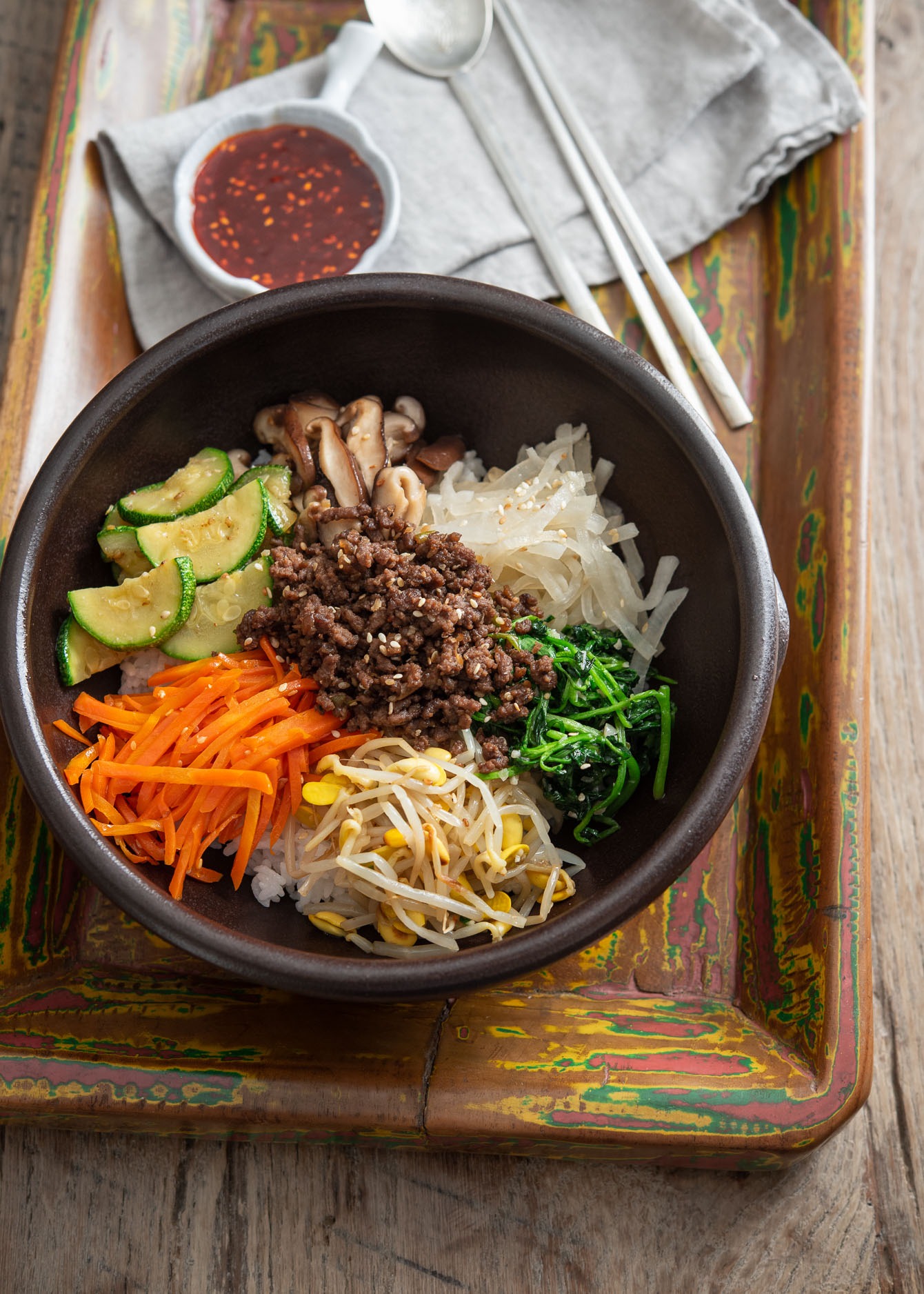
Make bibimbap at home with warm short-grain rice, savory ground beef, and colorful seasoned vegetables. This easy Korean rice bowl comes together in under an hour and tastes like the kind of bibimbap you get in a good Korean home, often better than what you’ll find at restaurants.
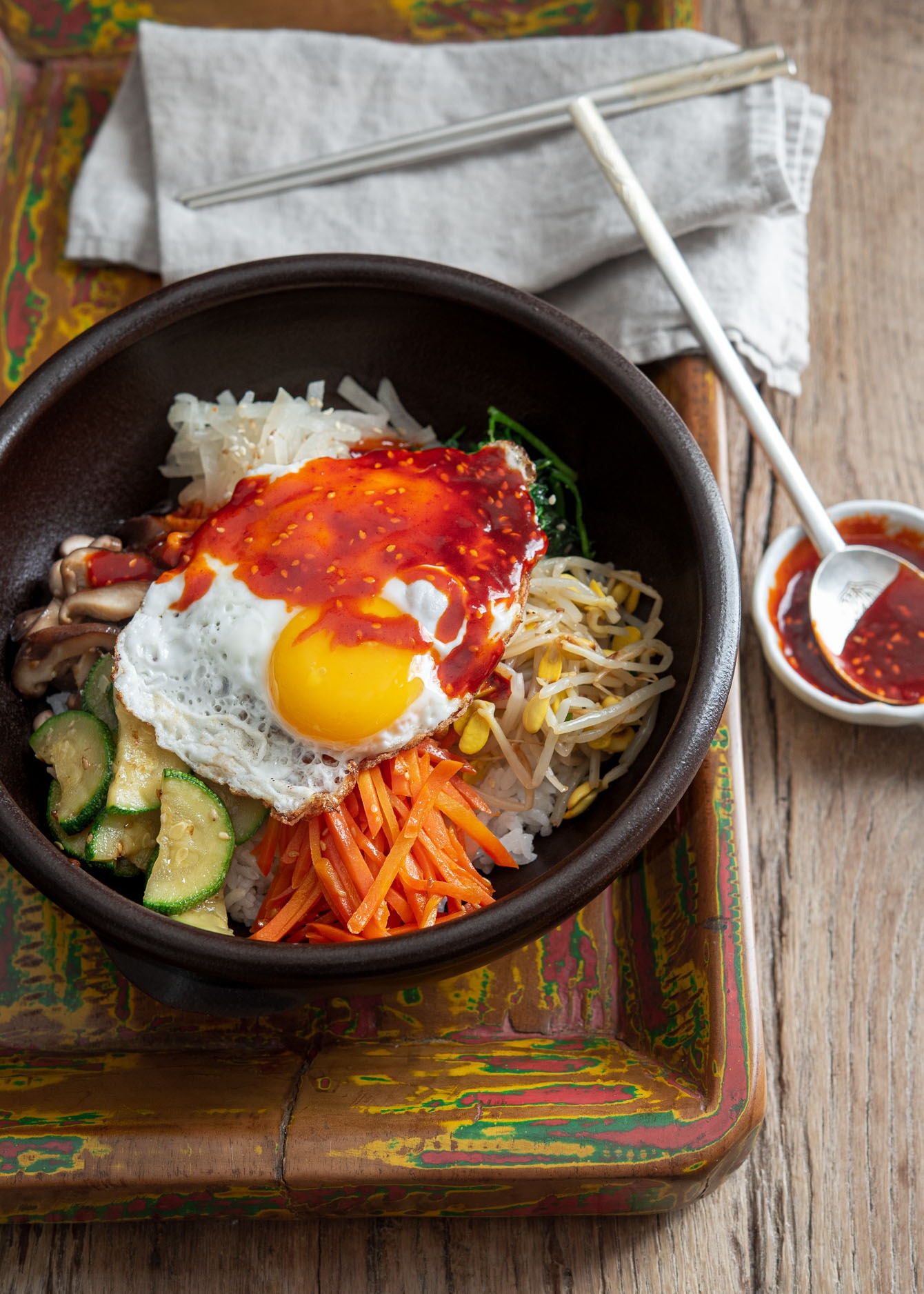
Bibimbap (비빔밥) is one of the Korean dishes I’ve made the most in my life. Growing up, we had some version of it almost every week—sometimes with leftover banchan, sometimes with bulgogi, and often with whatever vegetables needed to be used up.
This ground beef version was our go-to when we wanted bibimbap fast. It’s simple, colorful, and comes together with ingredients you probably already have.
Get new recipes via email:
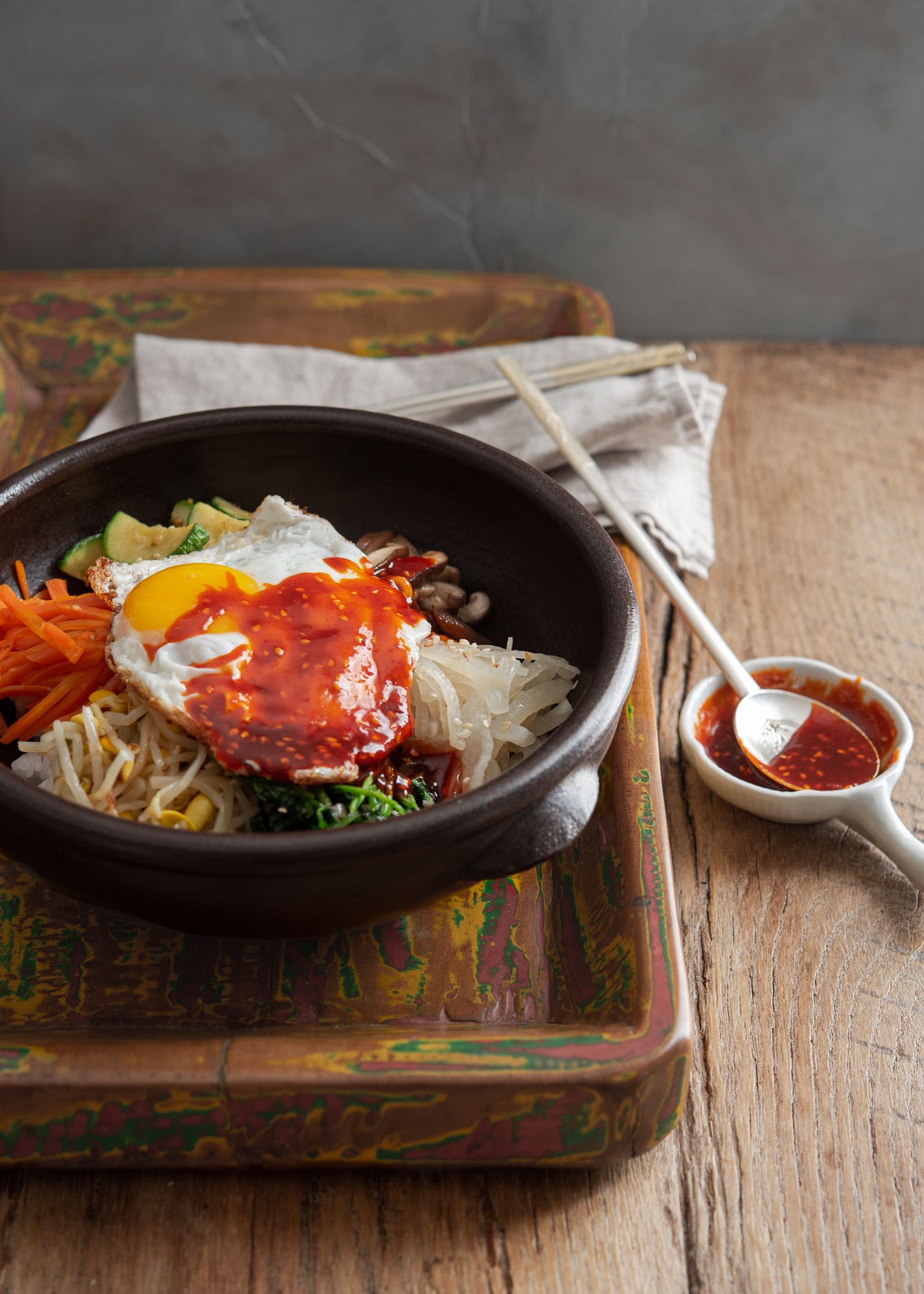
Warm rice, seasoned vegetables, a savory ground beef topping, and a spoonful of gochujang… it’s the kind of Korean comfort bowl that hits the spot without much effort.
Whether you’re cooking for one or feeding a crowd, this bibimbap stays easy, flexible, and ready in under an hour.
What You Need to Make Bibimbap
Rice
Bibimbap always starts with warm Korean short-grain rice. Its naturally sticky and glossy texture helps everything mix together the way it should. I often cook my rice on the stovetop for a shinier, slightly chewier base, but leftover rice works too—just break up any clumps before reheating.
Meat
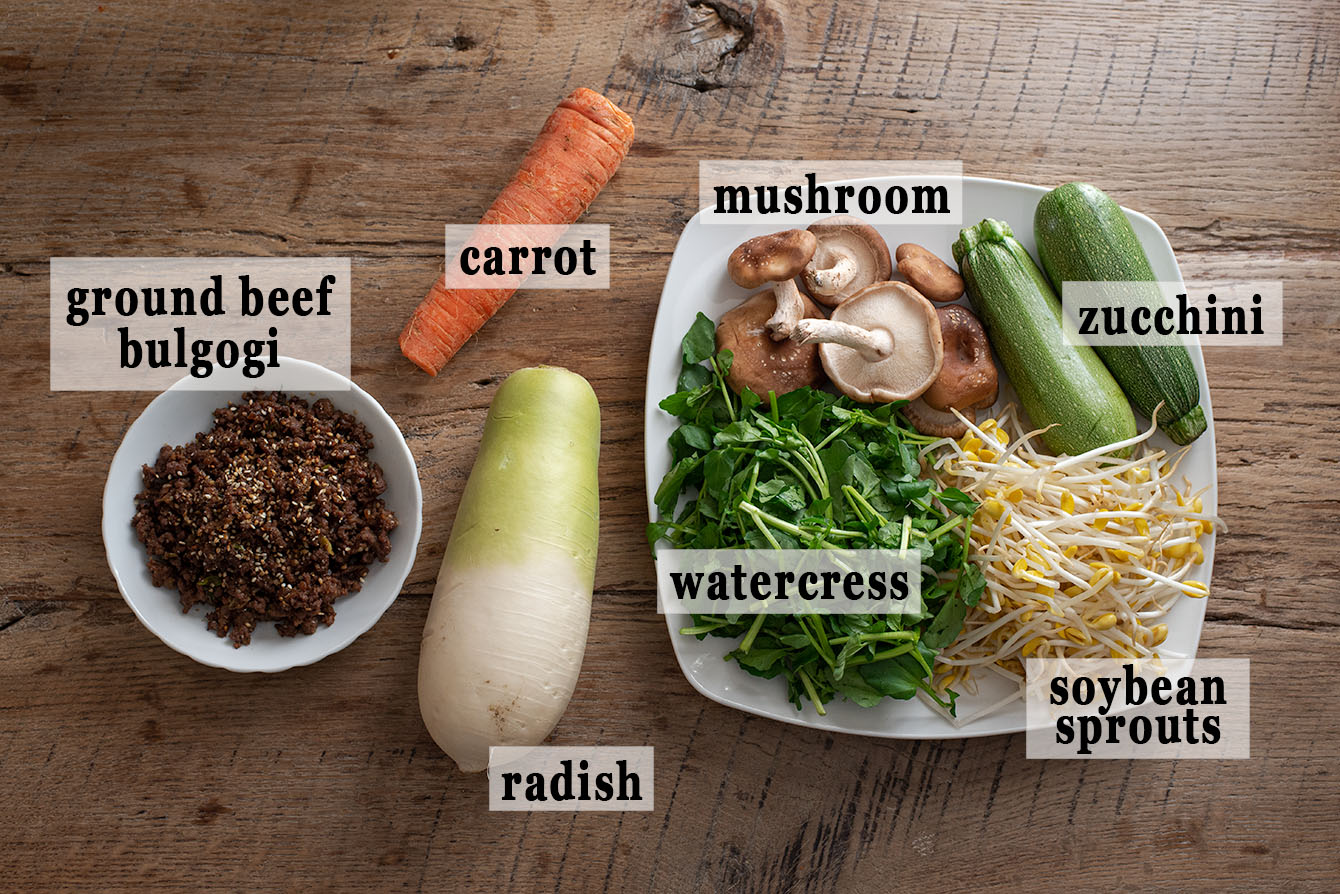
Most bibimbap is made with thinly sliced classic beef bulgogi, but at home we often reached for ground beef bulgogi because it cooks fast, seasons evenly, and mixes beautifully into the rice. This version gives you that same savory bulgogi-style flavor without the marinating time—perfect for busy nights.
Prefer a meatless bowl? Tofu or extra mushrooms work well and still give great texture.
Vegetables (Namul)
The seasoned vegetables in bibimbap are called namul (나물), and Korean home cooks use whatever they have on hand. Aim for a mix of colors and textures—soft, crunchy, fresh, and sautéed—to keep each bite balanced.
Great options include:
- Spinach or watercress
- Soybean sprouts
- Zucchini
- Carrots
- Mushrooms (shiitake, oyster, or button)
- Radish or cucumber (lightly pickled or sautéed)
Tip: Cook each vegetable separately and season lightly. It keeps the flavors clean and gives the final bowl that classic layered taste.
Gochujang Sauce
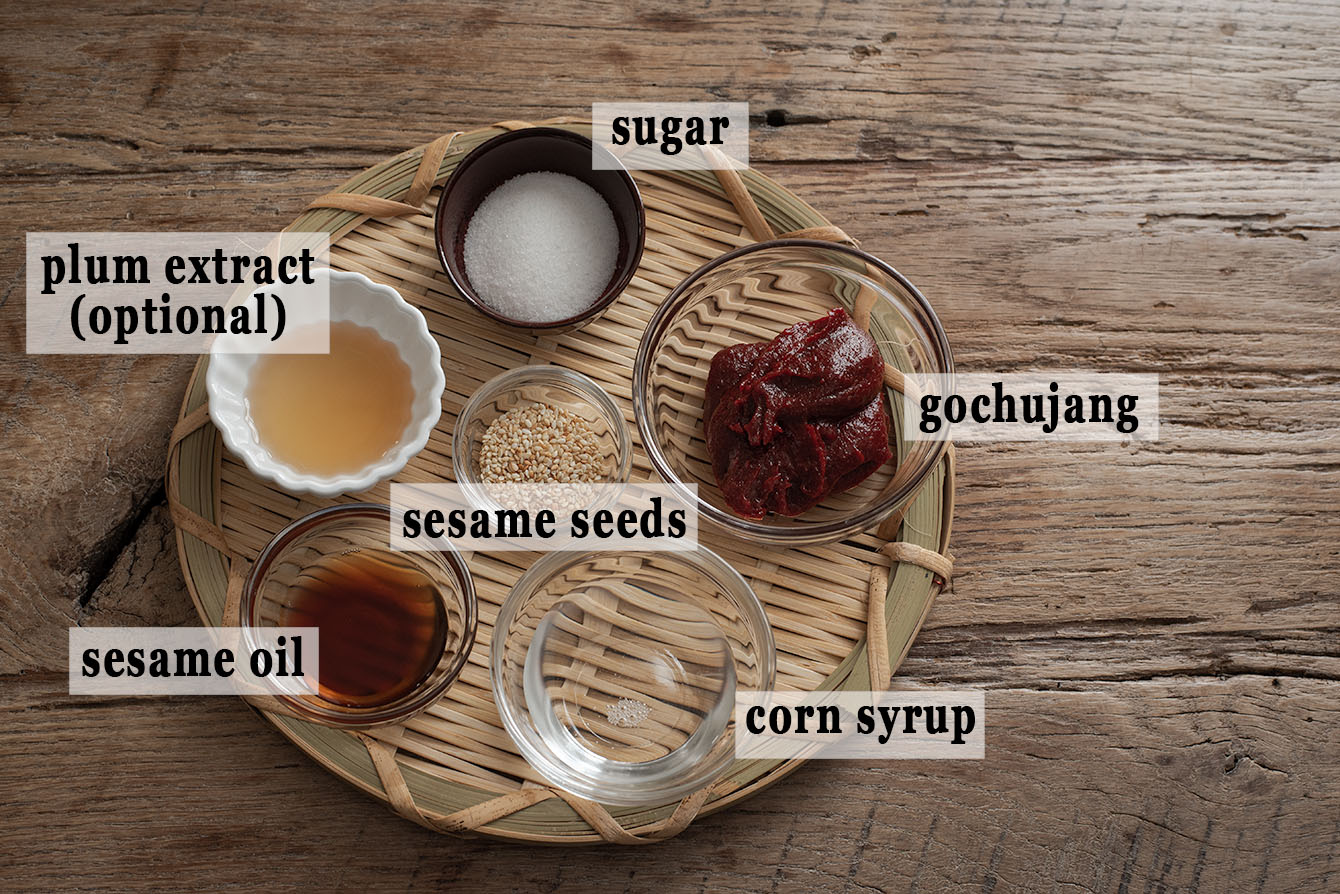
This simple red sauce is what brings bibimbap to life. Every Korean family mixes it a little differently, but the base is always the same—gochujang, a splash of sesame oil, and a touch of sweetness to balance the heat.
If you keep a basic Korean pantry, you can whisk the sauce together in a minute and adjust the spice or sweetness to your taste.
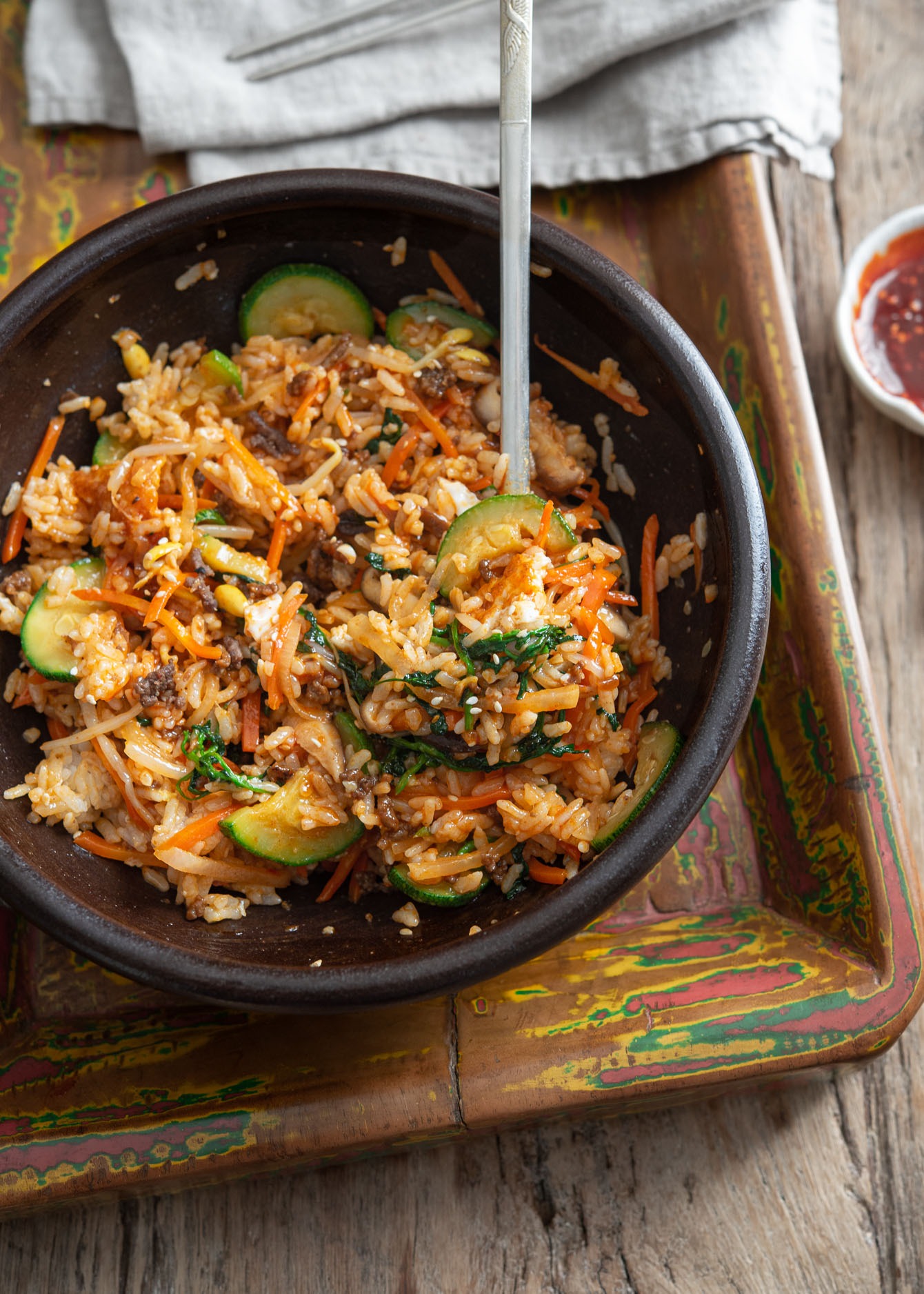
How to make bibimbap
Making bibimbap at home might seem complex, but it’s really about prepping each component, then assembling them into one colorful, delicious bowl. Here’s how to do it step by step.
1. Prepare the rice. Cook short-grain rice so it’s ready by the time the toppings are done. The slightly sticky texture helps everything mix together the way bibimbap should.
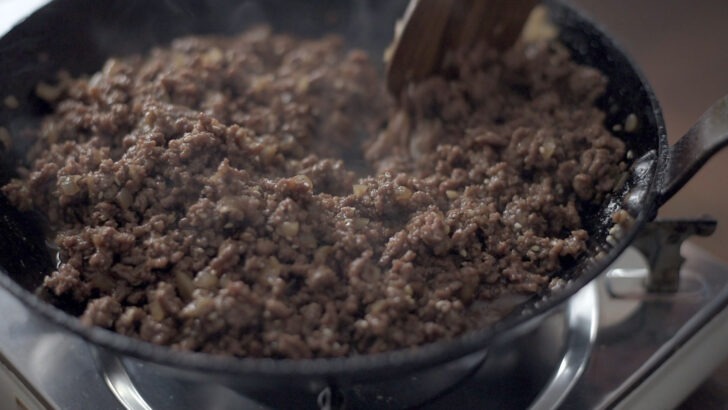

2. Cook the Beef and Make the Sauce. Sauté the ground beef until browned and well-seasoned. In a separate bowl, stir together the gochujang sauce so it’s ready for serving. Having both components prepped keeps assembly quick and easy.
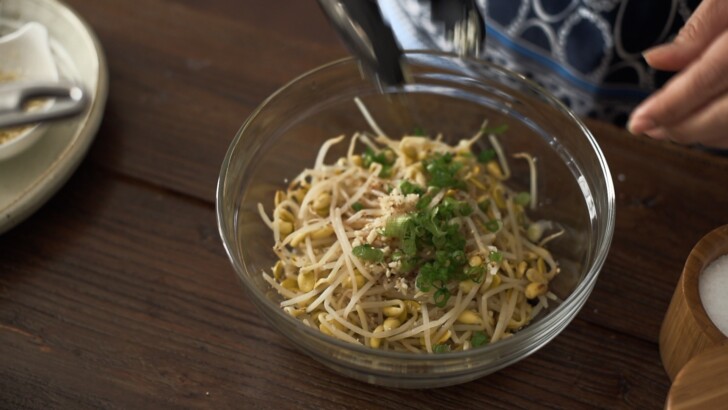
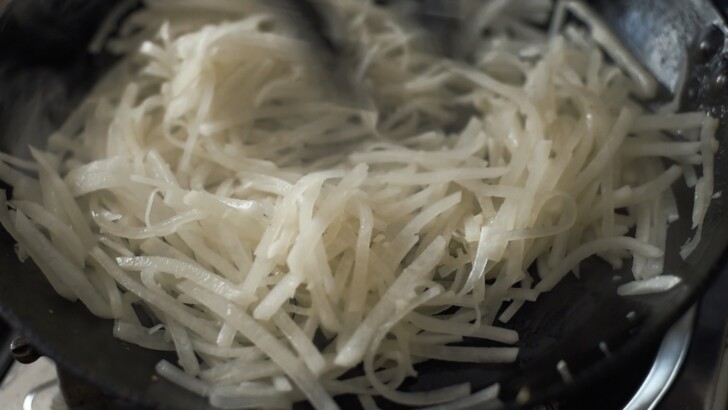
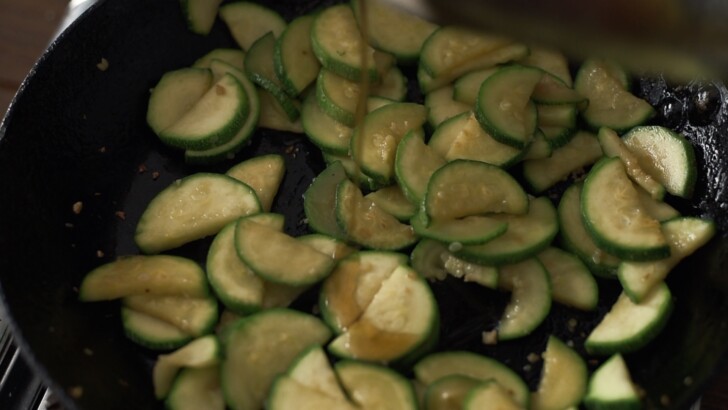
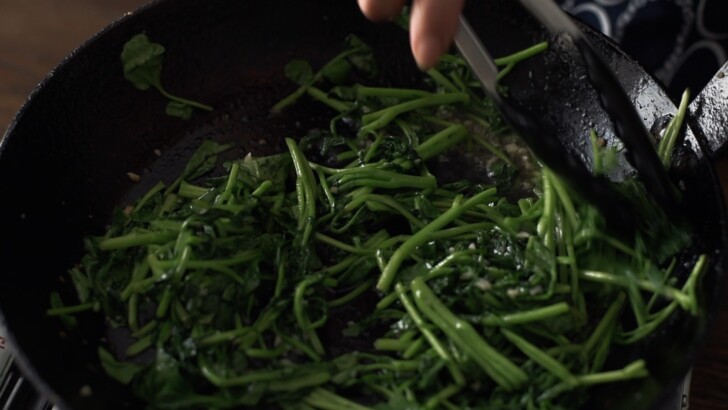
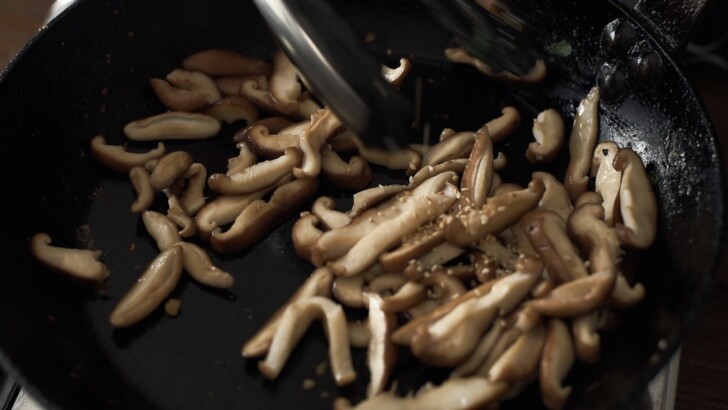
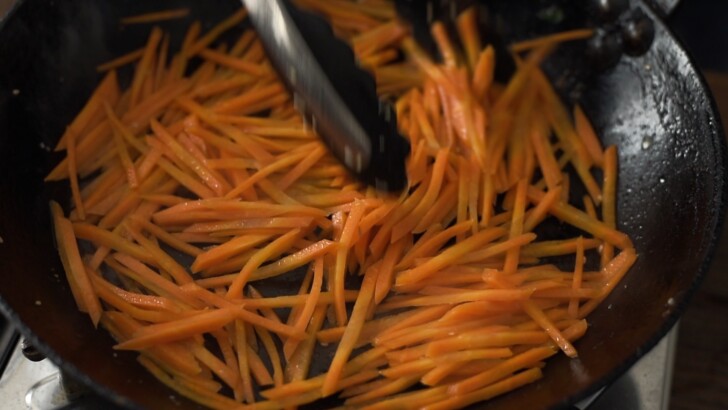
3. Prepare the vegetables. Blanch or sauté each vegetable on its own and season lightly. This keeps the flavors clean and gives the final bowl that layered taste bibimbap is known for.
Tip: Start with the light-colored vegetables (like radish or zucchini) and finish with deeper-colored ones such as mushrooms or spinach. This way, you can cook everything in the same skillet without the darker veggies staining the lighter ones—plus it keeps cleanup easy.
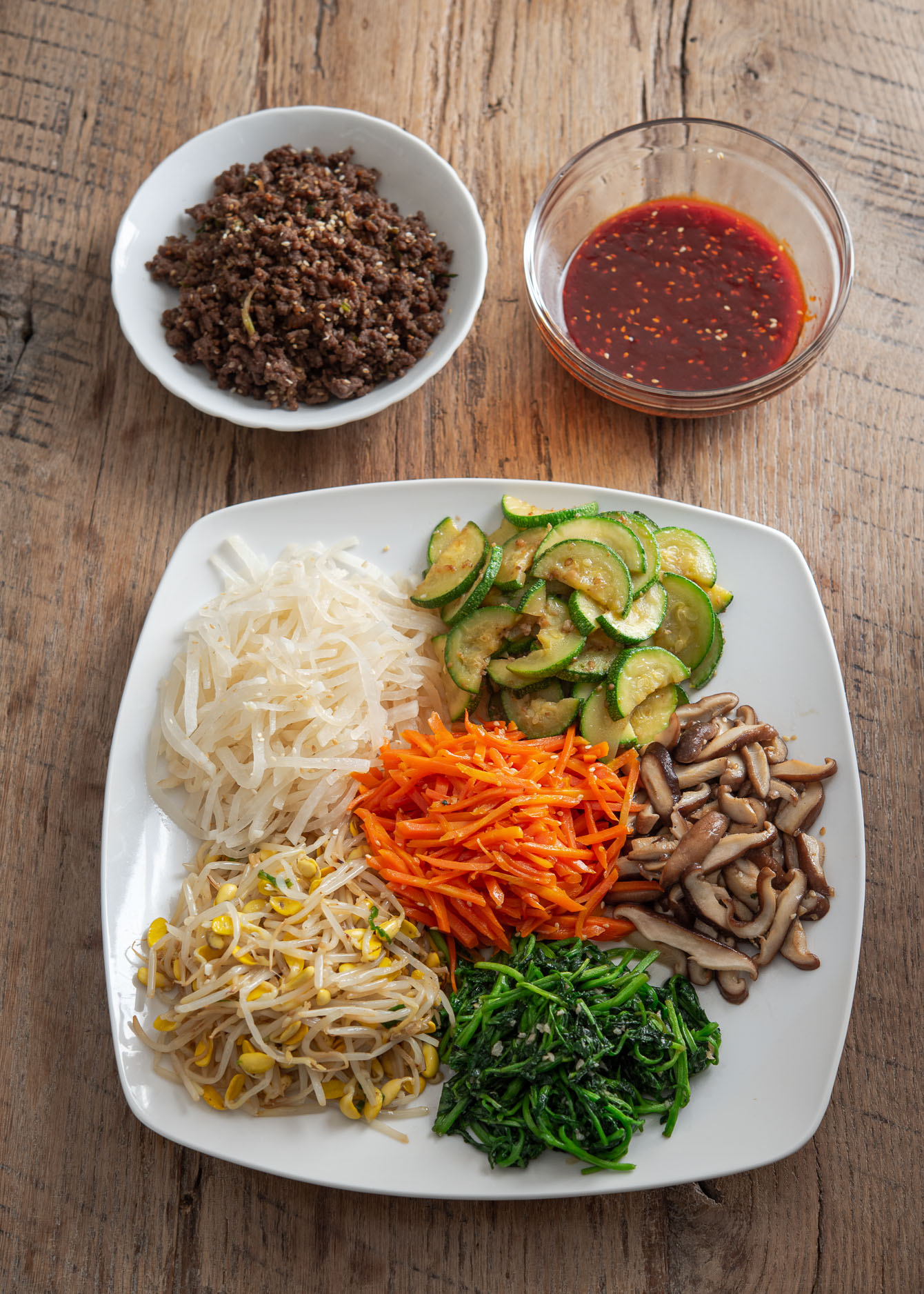
4. Assemble. Scoop the warm rice into a large bowl, arrange the beef and vegetables on top, and finish with a sunny-side-up egg. Add a spoonful of gochujang sauce, or serve it on the side so everyone can adjust the heat to their liking.
5. Serve. To eat bibimbap the traditional way, drizzle a spoonful of the sauce over the top, then mix everything together—rice, vegetables, egg, and beef—until all the flavors blend. I find it’s easiest to start mixing with chopsticks to break up the toppings, then switch to a spoon to finish so every bite is well combined and perfectly seasoned.
Enjoy your hard-earned bowl — you just made the epitome of Korean rice dishes. Seriously… if you can make bibimbap, the rest of the Korean rice world feels easy.
Dolsot-Style Bibimbap (Optional)
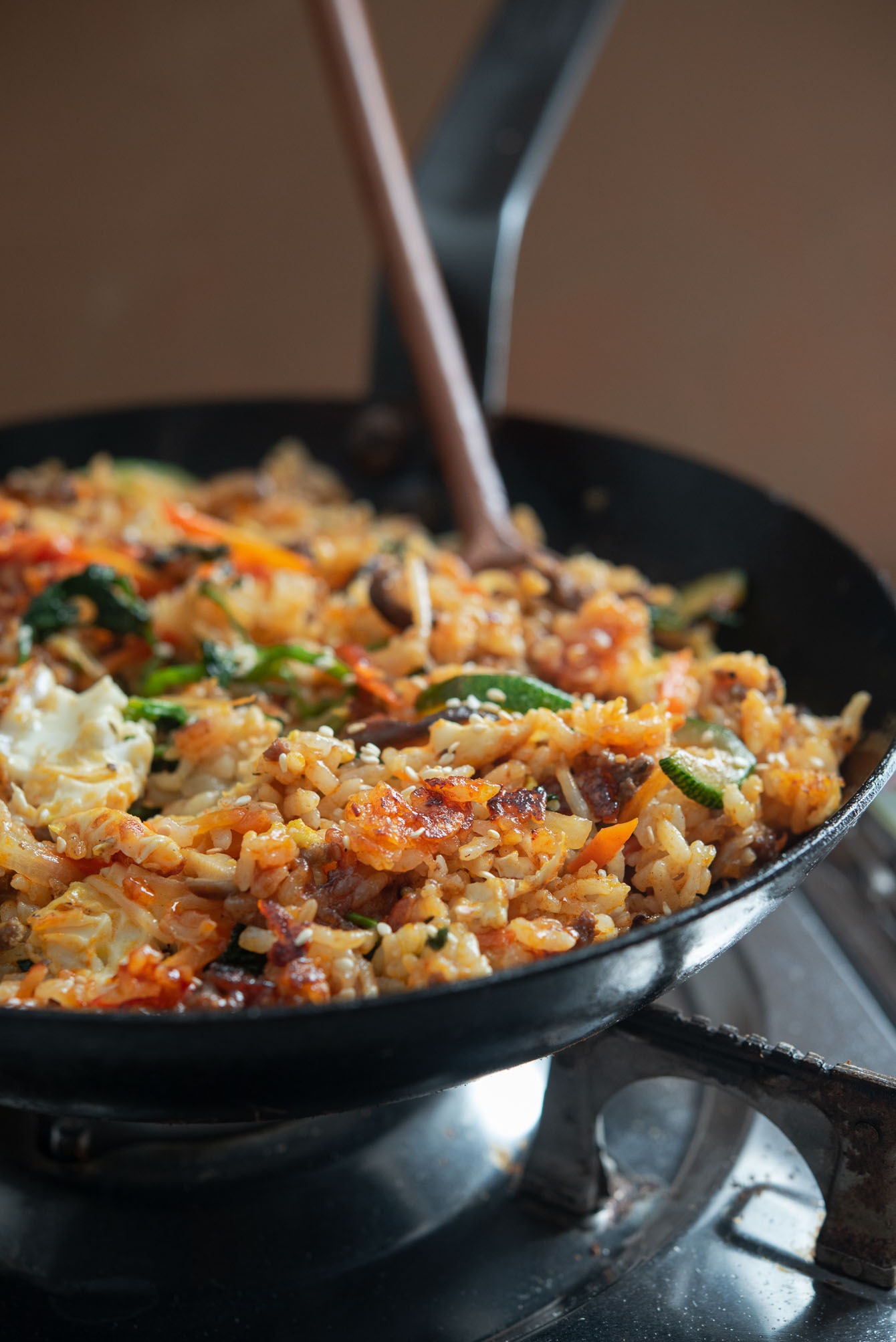
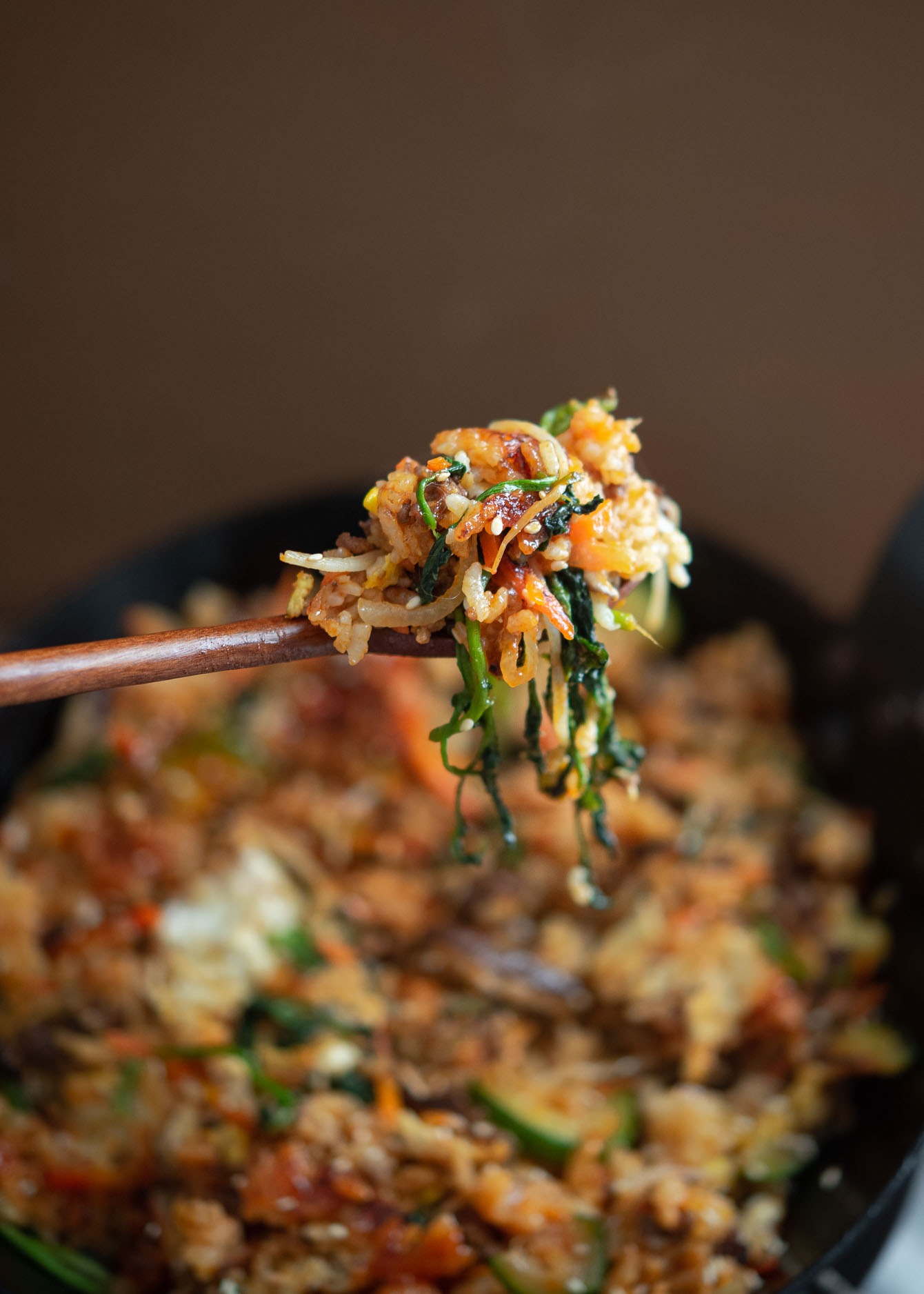
If you want that crispy rice layer you get in restaurant dolsot bibimbap, you can recreate it at home without a stone bowl. Heat a small cast-iron or heavy skillet with a little sesame oil, press in warm rice, and cook until the bottom turns golden and crisp. Add the toppings, mix at the table, and enjoy the crunchy bits.
Want to see how everything comes together? Watch the full bibimbap video inside the recipe card.
If you enjoy bibimbap variations, I share a modern version in my cookbook Korean Cooking Favorites — made with seared beef steak, avocado, and a soy-sauce based dressing. It’s simple, colorful, and one of my family’s go-to bowls.
Love this recipe? Rate it and share your experience in the comments below! On Instagram? Tag me to showcase your creation. For more delicious recipes, subscribe to our newsletter!
Ground Beef Bibimbap (Korean Mixed Rice Bowl)
Recipe Video
Ingredients
Bibimbap sauce
- 4 tbsp (60 g) Korean chili paste (gochujang)
- 1 tbsp (15 ml) Korean plum extract (maeshil cheong), optional
- 2 tbsp (30 ml) corn syrup, or 1 tbsp sugar
- 1 tbsp (15 ml) sesame oil
- 1 tbsp (9 g) toasted sesame seeds
For bibimbap
- 6 cup (900 g) freshly cooked white rice
- 6 egg
- 1 lb (450 g) ground beef bulgogi, see not below for vegetarian or vegan option
Bibimbap vegetables
- 1 lb (450 g) soybean sprouts
- 1 lb (450 g) Korean radish, sliced into very thin matchsticks
- 2 small zucchini, sliced
- 1 bunch (about 100 g) watercress, sliced
- 6 oz (170 g) shiitake mushroom, thinly sliced
- 2 carrots, sliced into thin matchsticks (about 150 g — see note)
Vegetable seasonings
- 3 tbsp (27 g) minced garlic, divided
- 2 tbsp (30 ml) Korean soup soy sauce (gukganjang), divided
- 2-3 tsp (10–15 g) salt, to season, divided
- 2 tbsp (30 ml) sesame oil, divided
- 2 tbsp (18 g) toasted sesame seeds, divided
- 1 green onion, finely chopped
Instructions
To Make the Bibimbap Sauce
- Combine all sauce ingredients in a small bowl and mix until smooth. Set aside.
To Prepare the Vegetables
- Soybean Sprouts: Blanch the sprouts in boiling water for 5 minutes, then drain. Season with 1 teaspoon minced garlic, 2 teaspoons soup soy sauce, a pinch of salt, 1 teaspoon sesame oil, 2 teaspoons sesame seeds, and 2 tablespoons chopped green onions. Toss well.
- Radish: Heat 1 tablespoon oil in a skillet over medium heat. Add 2 teaspoons garlic and cook for 30 seconds. Add the radish and a couple pinches of salt; toss well. Cover and cook until tender, about 2 minutes. Finish with 2 teaspoons sesame oil.
- Zucchini: Heat 1 tablespoon oil over medium heat. Add 2 teaspoons garlic, zucchini, and a pinch of salt. Stir-fry 1–2 minutes until soft. Add 2 teaspoons sesame oil and 1 teaspoon sesame seeds; toss to coat.
- Watercress: Heat 1 tablespoon oil over medium heat. Add 2 teaspoons garlic and the watercress. Stir-fry 1 minute. Add 2 teaspoons soup soy sauce and cook until wilted.
- Mushrooms: Heat 1 tablespoon oil over medium heat. Add 2 teaspoons garlic and the mushrooms; stir-fry 1 minute. Add 2 teaspoons soup soy sauce and cook until soft. Finish with 1 teaspoon sesame seeds.
- Carrots: Heat 1 tablespoon oil over medium heat. Add carrots and a pinch of salt; stir 30 seconds. Add 2 tablespoons water, cover immediately, and steam 1–2 minutes until tender. Finish with 1 teaspoon sesame seeds.
To Prepare the Ground Beef and Eggs
- Cook the ground beef bulgogi according to the recipe direction. Fry the eggs sunny-side up or over-easy.
To Assemble the Bibimbap
- Add warm rice to each bowl. Arrange the vegetables around the top, alternating colors for a pretty presentation. Spoon the ground beef into the center and place an egg on top.
- Drizzle with about 2 tablespoons of bibimbap sauce, or serve the sauce on the side so each person can add their preferred amount.
One of my favorites. Simple and easy. Love your cookbook.
Great to hear that. Thank you so much!
Hi! Thanks so much for this, I love this recipe. However, I’ll be making this dish for friends soon and I’m wondering what I could prep in advance, so I can minimize my time in the kitchen while they’re here. I assume freshly cooked veggies are still best. My worry is everything will go cold while I’m busy cooking all the veggies and then meat… Am I just overthinking? 🙂
Thanks so much
You definitely don’t want to be stuck in the kitchen the whole time when entertaining friends. The beauty of this bibimbap is that you can prep all the veggies and the sauce ahead of time—they keep well in the fridge, which is a common practice among home cooks in Korea.
For the ground beef, I recommend cooking it just before serving so it’s warm and flavorful. You can prepare the bulgogi marinade, chop the onions and garlic in advance, and then quickly cook the meat when you’re ready.
Use freshly cooked rice for the best flavor and texture. When it’s time to serve, just layer the veggies over the rice, top with the warm bulgogi, and let your guests add the bibimbap sauce to their liking.
This way, most of the work is done ahead of time, and you’ll still get to enjoy your party and time with your friends in the kitchen. Hope this helps—and have a great time hosting!
Thank you for your easy video presentation, so simple and quick. I will try to make this recipe for my family tonight.
Fantastic! The chili paste sauce was excellent. Simply delicious.
can you make bibimbap without onions or garlic? substitutes are okay, just not sure what if you can still make it.
Hi Melody, you can omit the onion and garlic in the recipe. It will make the dish milder in overall flavor.
Am eating this now. Thanks! You solved the long-mysterious cucumber riddle for me: restaurant bibimbap (first tried whilst living in Seoul–love!) tasted like cucumber, but was it really cooked first or did it heat up in the dol sot? Mmmm–this tastes like heaven! Haven’t had this taste of cucumber since late nights doing the obligatory student outings in Shinchon and Itaewon with Gangnam thrown in every once and a while. Thanks…
This was a great dish. One question though, I live in Belgium and it s difficult to buy Korean soy sauce, I used Kikkoman instead or is it better to use the Chinese soy sauce version?
Thanks for sharing all those delicious recipes
Sylvia
Hi Sylvia
I prefer Kikoman soy sauce over Chinese version. I am glad to hear that you liked the Bibimbap. Yum!
Thank you! Love it!
My absolute favorite Korean dish! In Hawaii, we can get the fern ( we call warabi) quite easily ( the dried as well, but i like the fresh better) fresh, it has a nice crunchy texture. Love all Korean food – had the unusual experience of being he only Portugese boy working in a Korean restaurant for almost 26 years lol. The menu was a Hawaiian style localized Korean foods, but the food in the back f restaurant that the Korean owners cooked …O MY!!! The Owners Mom cooked made every kinda of kim chee you can imagine , home made Korean miso paste, korean pickles … everything. She is now 85 years old, and can still outwork ANYONE in that kitchen – amazing woman that cant speak a lick of English, but the sweetest, kindest woman I know. And man can she COOK!!. The owners husband would come out everyday, and make all kinds of banchan for everyone’s lunch, and got me hooked on things like black spaghetti, ginseng chicken and spicy pork belly cooked with kochujang, a little dashi, bell peppers and onions and served over rice. Family would always come visit and bring persimmons, Korean mochi, and all the marvelous foods linked to the Korean holidays. I found my self hugely complimented when I was continually asked to make tofu and kimchee chigae, yook gae jung, seaweed and beef soups and other Korean specialties for the owners and family, and pregnant and/or sick women over the Korean workers !!!
haha..was a very nice experience, becoming “adopted” to another culture – in Hawaii, ive experienced that with Japanese, Hawaiian, Filipino, Samoan and many other cultures – but Korean people had the BEST and most intriguing foods… except for the bottle of prepared fish guts my boss always brought to the table for her rice !! 😀
But my first love was always bibimbap. Great site, love all your recipes – thanks for sharing!!
Wow, thanks Robert. I think you truly are a Korean food lover. I think Hawaii must have very good Korean restaurants. Lucky you that you get to try so many variety of Korean food. Thanks for you wonderful comments.
Hi. Bibimbap has been an instant favorite eversince I was introduced to Korean food. I was wondering, is there a way to have a simplified bibimbap? What about seafood bibimbap? Thanks.
A simple, yet tasty Bibimbap we make is just rice in the bowl (sticky, short grain rice of course!), a little high quality sesame oil dribbled over the rice, julienne japan cucumbers, Korean daikon, some blanched mung bean sprouts, watercress and choi sum – each seasoned with a little salt , sesame oil, garlic and pepper – topped with kochujang , some fine-chopped teriyaki rib eye ( just fry it up in a pan or grill),and a fried egg. you can realty go as simple as you want with the veggies, or leave out anything you dont like, To me, the real flavor i cant do without is the teri beef, fried egg ( not hard, over easy so some yolk runs out..yum!) . sesame and kochujang – it makes th3 dish in my opinion.
hi…i made this food for my little family…and my hubby love it…and so do i…cant imagine the taste is great like that…i made with doraji , carrot, and bulgogi…really great…thx for your recipe..^_^
Thank you for such a fast response!
“Namools can be stored in the fridge over a week.” *cheers!*
I went to my H-Mart in New Jersey (I love them so much) and have everything to make this tonight! Brackens have been soaking overnight. My question: will namool keep in the fridge overnight?
Namools can be stored in the fridge over a week. For the Brackerns, after the overnight soaking, cook in the water for 45-60 minutes until tender. Add a little bit of baking powder or sugar might help to tenderize them. Good luck and enjoy your hard work!
i am so thankful for this site! I really need to make a trip to the Korean store. I love hearing the Korean language it is so awesome!
Hi Kay
Thank you for visiting my site. I hope you make a trip to Korean store and buy lots of god Korean stuff, and explore on Korean cooking. Do you speak Korean?
I just found you site. This is awesome. Thanks. Your overview answered a lot of questions and we can’t wait to try..
I love this dish! Last time I had it was when I was in Korea which was 2 years ago. So, thanks for posting this. I will have to make a trip to the Korean store and make this.
Thanks jade. 2 years is a long time not to have this bibimbap. Better make them soon!
Yes, it indeed is some work to make this dish. That's why I don't make that often, and If I do, it is to feed the company.
Yummy, I love bibimbap too! It's healthy, delicious and so nice to look at with the vibrant colors. It takes quite a lot of work to prepare though. That's why I usually eat it outside. But thanks for the gorgeous photos!
I always, always order Bibimbap at our nearby restaurant. Love it! I thought the name is Bibimba, though, as that`s how it`s written on the menu 😀